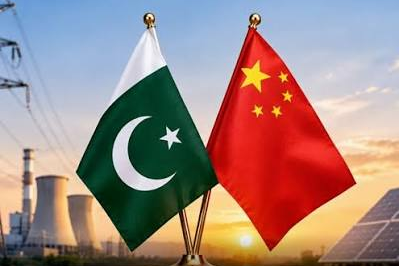
Pakistan and China have agreed to pursue new government-to-government investment arrangements for petroleum storage, terminal facilities and fuel supply projects, marking another step towards strengthening cooperation in the energy sector. The proposed initiatives include an LPG plant with associated storage infrastructure and arrangements for importing motor gasoline.
The understanding was reached during a meeting between Federal Minister for Petroleum Ali Pervaiz Malik and Chinese Ambassador Jiang Zaidong in Islamabad. Pakistan State Oil (PSO) Chief Executive Officer Jawwad Ahmed Cheema also attended the meeting, alongside officials from both countries.
According to Pakistan’s Petroleum Division, the discussions focused on identifying practical investment opportunities and accelerating cooperation across the oil, gas and mining industries. Both sides agreed to establish a joint commercial team to assess the proposals and prepare a roadmap for implementation.
Two Major Energy Projects Identified for Early Action
The meeting identified two priority projects that could help improve Pakistan’s fuel supply system.
The first proposal involves establishing an LPG plant supported by storage and terminal facilities. The project is intended to increase domestic LPG availability, improve access to cleaner fuel and reduce shortages during periods of high seasonal demand.
Liquefied petroleum gas is widely used by households, businesses and industries, particularly in areas where natural gas connections are unavailable. Better storage and distribution infrastructure could help make supplies more dependable and reduce pressure during periods of increased consumption.
The second priority concerns motor gasoline imports, commonly referred to as MoGas. The proposed arrangements would cover fuel sourcing, storage and logistics, with the objective of ensuring a more reliable supply at competitive prices.
Neither project has yet been announced as a completed investment agreement. Their commercial structure, participating companies and implementation details will require further assessment.
Joint Commercial Team to Prepare an Implementation Roadmap
To move beyond preliminary discussions, Pakistan and China have agreed to form a joint commercial team with representatives from both sides.
The team will examine the proposed projects, contact potential investors and companies, and assess different investment and partnership models. It will also prepare a structured roadmap covering cooperation in upstream, offshore and downstream energy operations.
The involvement of Pakistani companies is expected to be important in turning the proposals into commercially workable projects. PSO has been identified as a potential key partner for Chinese companies interested in petroleum storage, terminals and downstream infrastructure.
Oil and Gas Development Company Limited (OGDCL) may also be involved in broader cooperation with Chinese energy companies, particularly in exploration and other upstream activities.
The next stage will depend on the findings of the joint team, investment commitments and the ability of both governments to agree on practical arrangements.
China Investment Could Expand Pakistan’s Energy Infrastructure
Pakistan has long faced challenges in maintaining a reliable and affordable energy supply. Dependence on imported petroleum products, limited storage capacity and fluctuations in international energy markets can expose the country to supply disruptions and higher import costs.
Additional storage and terminal infrastructure could improve the management of fuel imports and provide greater flexibility in responding to changing market conditions.
The proposed cooperation also reflects Pakistan’s wider efforts to attract foreign investment into its energy sector. Chinese companies could bring financing, technical expertise and experience in developing large-scale infrastructure projects.
However, investment announcements alone cannot guarantee improvements. Transparent agreements, commercially sustainable operations and effective oversight will be necessary to ensure that new facilities deliver long-term benefits.
Pakistan’s petroleum sector has also faced questions about storage management, distribution and regulatory monitoring. These issues are discussed in Pakistan Chronicle’s report on the petroleum sector’s storage and supply challenges.
Wider Cooperation in Oil, Gas and Mineral Exploration
The discussions between the two countries extended beyond fuel storage and gasoline imports. Both sides also explored opportunities in oil and gas exploration, offshore development, mineral exploration and mining.
Particular attention was given to the investment potential of Balochistan and emerging offshore opportunities, including the development of integrated offshore hubs.
Pakistan has significant natural resource potential, but attracting investment and developing these resources requires substantial capital, technical knowledge and long-term planning.
The two countries also discussed opportunities for Chinese downstream companies to enter or expand their operations in Pakistan through partnerships with local businesses, including PSO.
These discussions could create opportunities across several stages of the energy industry, from exploration and production to transportation, storage and distribution.
Pakistan’s wider resource development plans are also reflected in recent discussions about the country’s estimated mineral and hydrocarbon wealth. Readers can explore this subject in Pakistan Chronicle’s coverage of Pakistan’s natural resources and investment potential.
Government Promises a More Investor-Friendly Environment
Petroleum Minister Ali Pervaiz Malik highlighted the government’s intention to improve conditions for foreign investors. He referred to petroleum-sector deregulation, investor-friendly policies, streamlined import and export procedures and improved security arrangements.
The minister said Pakistan wanted to translate its energy and natural resource potential into concrete investment, industrial development and sustainable economic opportunities.
Chinese Ambassador Jiang Zaidong reaffirmed Beijing’s support for cooperation with Pakistan and welcomed the proposed framework for further engagement. He also expressed interest in exploring investment opportunities and strengthening business-to-business relationships.
The discussions included improving trade procedures and institutional coordination to encourage investment, technology transfer and commercial activity between the two countries.
For Pakistan, the success of these initiatives will depend on whether the proposed cooperation leads to actual investment, construction and improved energy services.
What the Agreement Means for Pakistan’s Energy Security
The proposed LPG and motor gasoline projects could support Pakistan’s efforts to diversify its fuel supply arrangements and improve the availability of petroleum products.
Better storage facilities may help the country manage imported supplies more effectively, while stronger logistics arrangements could improve distribution and reduce the risk of temporary shortages.
The projects may also strengthen the role of Pakistani energy companies by creating opportunities for partnerships with international investors.
Nevertheless, several important details remain unresolved, including investment amounts, project locations, storage capacities and construction schedules. The joint commercial team is expected to examine these matters before the proposals move towards implementation.
The development comes as Pakistan continues to explore regional energy partnerships and alternative supply routes. Its discussions with Turkmenistan over the TAPI gas pipeline reflect a similar effort to strengthen long-term energy cooperation.
Frequently Asked Questions
1. What have Pakistan and China agreed on?
Pakistan and China have agreed to pursue government-to-government arrangements for investment in LPG production, fuel storage, terminal facilities and motor gasoline import arrangements.
2. What is the proposed LPG project?
The proposal involves establishing an LPG plant with associated storage and terminal facilities to increase domestic supply, improve access to cleaner fuel and help reduce seasonal shortages.
3. What does MoGas mean?
MoGas stands for motor gasoline, commonly known as petrol. The proposed arrangement covers sourcing, importing, storing and managing the logistics of gasoline supplies.
4. Which Pakistani company could participate in the projects?
Pakistan State Oil has been identified as a potential key commercial partner for Chinese downstream companies. OGDCL may also participate in wider cooperation involving exploration and energy development.
5. What will the joint commercial team do?
The team will assess investment opportunities, contact prospective companies, examine partnership models and prepare a roadmap for the proposed energy and mining projects.
6. Have the projects started construction?
No construction schedule or final investment commitment has been announced. The proposals still require commercial assessment and further planning by the joint team.
Conclusion
Pakistan’s proposed energy cooperation with China could create new opportunities to improve fuel storage, strengthen petroleum supply arrangements and attract investment into the country’s energy infrastructure. The LPG plant and motor gasoline import initiatives are important priorities, but their success will depend on practical implementation.
The formation of a joint commercial team is an important next step. If both countries can turn their discussions into transparent agreements and commercially viable projects, the partnership could contribute to more reliable fuel supplies, stronger energy security and long-term economic cooperation.