Bangladesh’s garment workers have secured a 36 per cent increase in the minimum monthly wage following weeks of protests, factory shutdowns and tense negotiations with employers. The decision raises the minimum wage from Tk12,500 to Tk17,000, offering some relief to workers who have struggled with rising food, housing, transport and healthcare costs.
The agreement was reached early Wednesday, November 25, after lengthy discussions by a government-appointed wage board. However, the increase remains below the amount workers originally demanded, leaving questions about whether the decision will bring lasting peace to the country’s important garment industry.
For millions of workers and thousands of factories, the outcome represents an important moment in a dispute that has affected production, employment and Bangladesh’s international business relationships.
Bangladesh Approves a 36% Minimum Wage Increase
The government-appointed Minimum Wage Board approved a new minimum monthly wage of Tk17,000 for garment workers. The previous minimum was Tk12,500, meaning workers in the lowest wage category will receive an increase of Tk4,500.
The decision followed nearly 12 hours of negotiations involving representatives of factory owners and workers. When both sides failed to agree on a final amount, the six-member board decided through a vote.
Four members supported the Tk17,000 proposal, while two backed the workers’ final demand of Tk18,000. Babul Akhter, the workers’ representative on the board, acknowledged that employees were not completely satisfied but described the result as an improvement over the previous arrangement.
The revised wage structure covers different grades of garment employees. Under the new arrangement, Grade 1 workers will receive Tk21,500 per month, Grade 2 workers Tk20,000, Grade 3 workers Tk19,200 and Grade 4 workers Tk17,000.
The revised structure is scheduled to take effect from December 1, with workers expected to receive their updated salaries in January.
Why Garment Workers Took to the Streets
The wage increase follows weeks of demonstrations across Bangladesh’s major industrial areas. Workers had been demanding better pay because their existing salaries were increasingly insufficient to cover basic household expenses.
The protests began in October and intensified as negotiations failed to produce an agreement that satisfied employees. Workers initially demanded a minimum monthly wage of Tk30,000, compared with the existing Tk12,500.
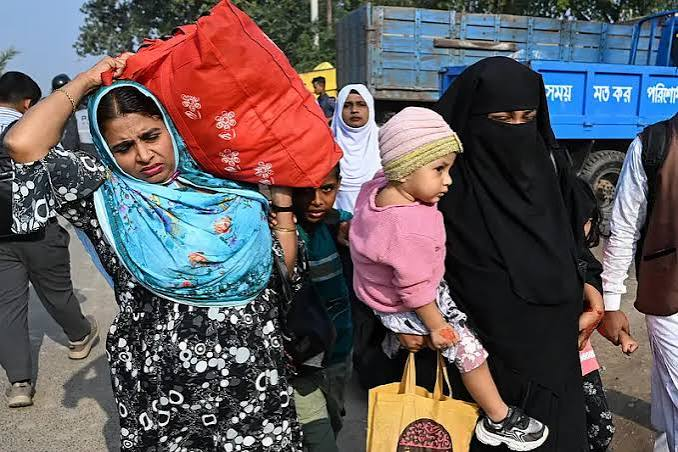
Rising prices have placed considerable pressure on low-income households. Food, rent, transport and medical expenses have become harder to manage, forcing many workers to reduce spending on essential items.
For employees who depend on monthly factory salaries, even a small increase in everyday expenses can create serious financial difficulties. Many workers have argued that their wages have not kept pace with the cost of living.
The dispute also exposed longstanding concerns about working conditions, job security and the balance between factory profitability and workers’ welfare.
Protests Caused Major Disruption to Factories
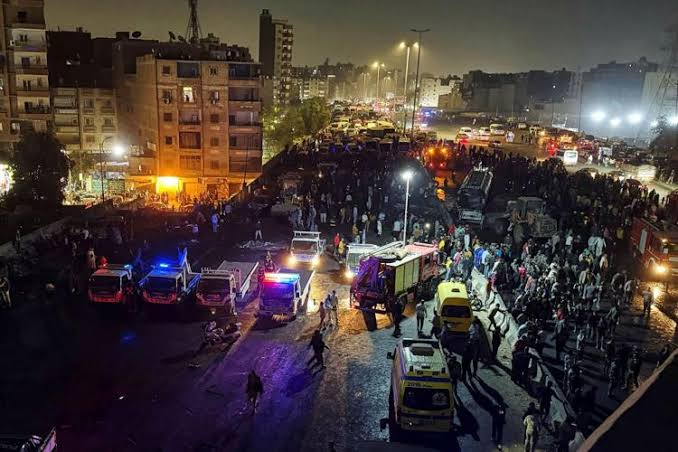
The demonstrations affected several industrial centres around Dhaka, including Gazipur, Savar and Ashulia. Some workers blocked roads, while clashes with police resulted in the use of tear gas and other crowd-control measures.
Factory closures and interruptions to production created further uncertainty for employees and manufacturers. Workers faced the possibility of losing income during shutdowns, while factory owners worried about delayed shipments and cancelled orders.
According to the Bangladesh Garment Manufacturers and Exporters Association, the unrest caused estimated production losses of around $428 million. Orders worth approximately $254 million were also reported to have shifted to other countries.
The timing added to the pressure because the disruption occurred ahead of the busy Christmas shopping season. International retailers depend on timely deliveries, and delays can encourage buyers to move orders to competing manufacturing countries.
Pakistan Chronicle previously covered the growing unrest in its report on the Bangladesh wage protest and clashes with police.
Bangladesh’s Garment Industry Faces a Difficult Balance
The garment industry is one of Bangladesh’s most important economic sectors. It generates around four-fifths of the country’s export earnings and provides employment to more than four million people.
Bangladesh is the world’s second-largest garment exporter after China. Its factories supply clothing to customers across more than 150 countries, including major markets in the United States and European Union.
The industry earns approximately $38 billion annually and plays a central role in the country’s manufacturing and export economy.
However, its success has also depended on a large workforce receiving relatively low wages. This has created continuing disagreements over whether employees receive a fair share of the industry’s growth.
Factory owners have argued that higher wages must be considered alongside electricity costs, raw materials, production expenses and competition from other exporting countries. They also face pressure from international buyers seeking competitive prices.
The challenge for Bangladesh is to improve workers’ earnings without weakening the competitiveness of its manufacturing sector.
Similar questions about export competitiveness and the textile industry are relevant to Pakistan as well. Pakistan Chronicle has also examined these issues in its report on Pakistan’s export structure and global textile competitiveness.
Will the New Wage Increase Satisfy Workers?
Although the wage board has announced a new minimum, there is no guarantee that the decision will immediately end labour unrest.
Workers originally demanded Tk30,000 per month, substantially higher than the approved Tk17,000. Even the workers’ final proposal of Tk18,000 was rejected by the board’s majority.
The difference between workers’ expectations and the final decision could create further dissatisfaction, particularly if employees believe the revised amount will not cover their essential expenses.
Reports following the announcement indicated that unrest had not completely disappeared. Workers continued to express concerns, and demonstrations were reported in industrial areas.
The government and factory owners will therefore need to focus on implementation, communication and continued engagement with workers’ representatives.
A wage agreement can provide short-term stability, but lasting progress will depend on whether employees experience a meaningful improvement in their everyday lives.
Labour Rights and Workplace Conditions Remain Important
Bangladesh’s garment industry has faced international scrutiny over labour rights and workplace safety for many years.
The 2013 Rana Plaza factory collapse, which killed more than 1,100 people, exposed serious safety failures and brought worldwide attention to the conditions faced by garment workers.
The tragedy encouraged international initiatives to improve factory inspections, building safety and labour protections. However, wage disputes and concerns about working conditions continue to affect the sector.
The latest protests show that workplace safety is only one part of the wider discussion. Fair salaries, reliable employment, social protection and the ability to negotiate collectively are also essential.
For Bangladesh, stronger labour protections could help build confidence among employees and international buyers. Pakistan faces related challenges in its own industrial sector, where the enforcement of workplace standards remains an important issue. Recent developments are discussed in Pakistan Chronicle’s coverage of labour laws and workplace safety in Sindh.
What Happens Next for Bangladesh’s Garment Industry?
The immediate priority will be implementing the revised wage structure and encouraging workers to return to factories. Employers will also need to manage production schedules and reassure international buyers that supply chains can operate normally.
The government faces the task of monitoring implementation and addressing complaints that may arise during the transition. Workers’ representatives will likely continue pressing for better compensation and improved working conditions.
International clothing brands also have a role to play. Their purchasing prices and production requirements influence the financial pressures faced by suppliers. Supporting responsible wage improvements can help make labour standards more sustainable across the supply chain.
Bangladesh’s garment industry has become a major part of the global clothing market. Protecting that position will require more than competitive production costs. It will also depend on a workforce that is fairly paid, safe and confident about its future.
Conclusion
Bangladesh’s decision to increase garment workers’ minimum wages by 36 per cent is an important development after weeks of protests and industrial disruption. Raising the monthly minimum from Tk12,500 to Tk17,000 offers some financial improvement, but it remains below workers’ original demand of Tk30,000.
The real test will be whether the revised wages are implemented properly and provide meaningful relief to employees facing rising living costs. The government, factory owners and international buyers will need to work together to improve labour conditions while protecting the industry’s economic strength.
A stable garment sector depends not only on exports and factory production but also on the millions of people whose work keeps it running.
Frequently Asked Questions
1. What wage increase have Bangladesh garment workers received?
Bangladesh’s Minimum Wage Board approved a 36 per cent increase in the minimum monthly wage, raising it from Tk12,500 to Tk17,000. The decision followed weeks of protests and negotiations between workers’ representatives and factory owners.
2. Why were garment workers protesting in Bangladesh?
Workers were demanding higher salaries because rising prices for food, rent, transport and healthcare had made their existing wages difficult to manage. Their original demand was to increase the minimum monthly wage to Tk30,000.
3. When will the new garment workers’ wages take effect?
The revised wage structure is scheduled to take effect from December 1, 2026. Workers are expected to receive their first salaries under the updated structure in January.
4. How important is the garment industry to Bangladesh?
The garment industry is a major source of employment and export earnings. It employs more than four million people and generates around 80 per cent of Bangladesh’s export revenue, making it central to the country’s economy.
5. Did garment workers accept the Tk17,000 minimum wage?
The wage board approved Tk17,000 through a four-to-two vote, although the workers’ representative had supported a higher amount of Tk18,000. Workers had initially demanded Tk30,000, so the final decision did not fully meet their expectations.
6. How did the wage protests affect Bangladesh’s garment industry?
The protests disrupted factory operations, caused production losses and affected export orders. The Bangladesh Garment Manufacturers and Exporters Association estimated losses of around $428 million, while orders worth approximately $254 million shifted to other countries.