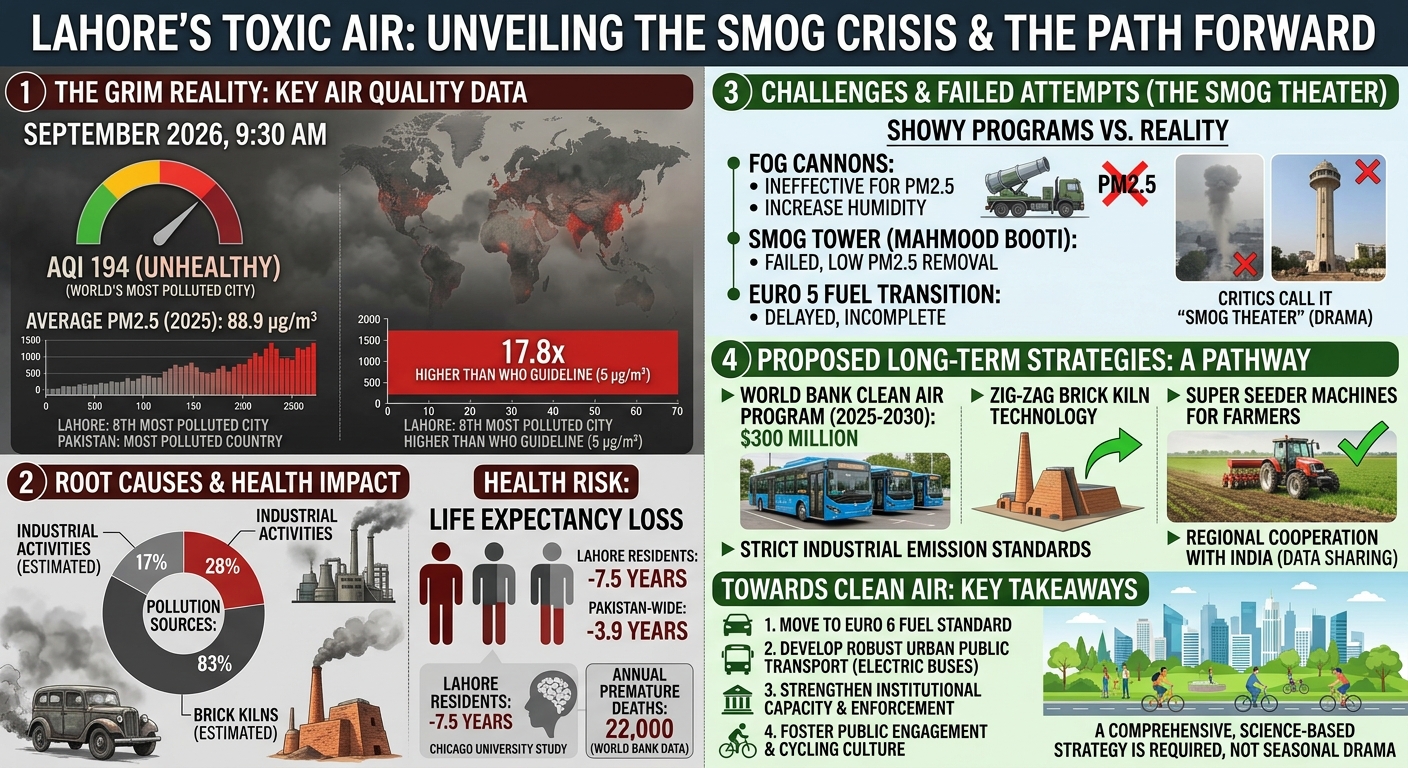
By Iftikhar Ahmad Lahore’s air is poisoned, and this poison is descending into the lungs of the city’s 13 million residents with every breath. At 9:30 AM on a September 2026 morning, Lahore’s Air Quality Index reached 194, which is classified as extremely unhealthy, and at that moment the city rose to the number one position on the list of the world’s most polluted cities. This is not an accidental occurrence but the logical outcome of a continuously deteriorating situation. In 2025, Lahore’s average PM2.5 concentration was recorded at 88.9…
Read MoreCategory: ENVIROMENT
Islamabad Flooding: Flash Floods Expose CDA’s Master Plan Failures
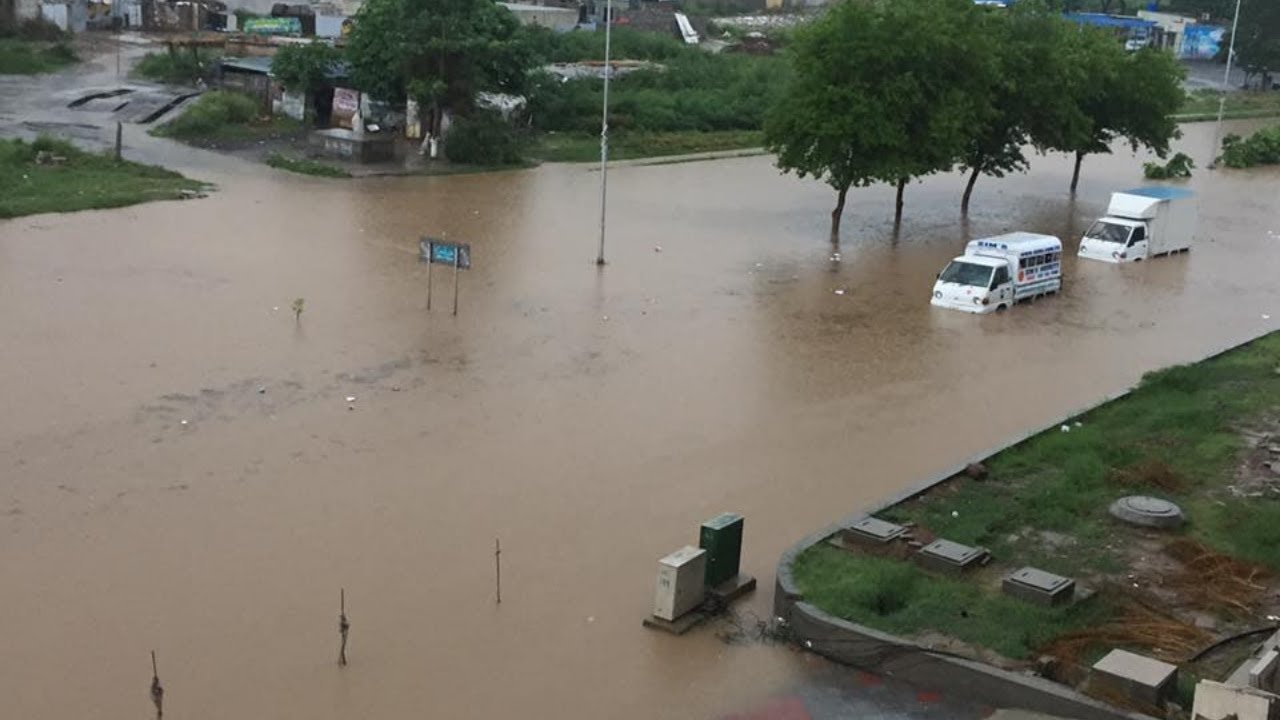
Heavy monsoon rain triggered flash flooding across Islamabad on September 1, 2026, submerging roads and basements in E-11, Park Road and Ghauri Town. The Capital Development Authority says the downpour was unusually intense, but an investigation into the disaster points to something closer to home: decades of unchecked violations of the city’s own master plan. Background Islamabad was designed in the 1960s as one of the most carefully planned capitals in the world, with dedicated green zones, wide rights-of-way for natural drainage channels, and low-density housing sectors. That plan has…
Read MoreIndus Delta in Pakistan: The Slow Death of a Once-Thriving Coastline
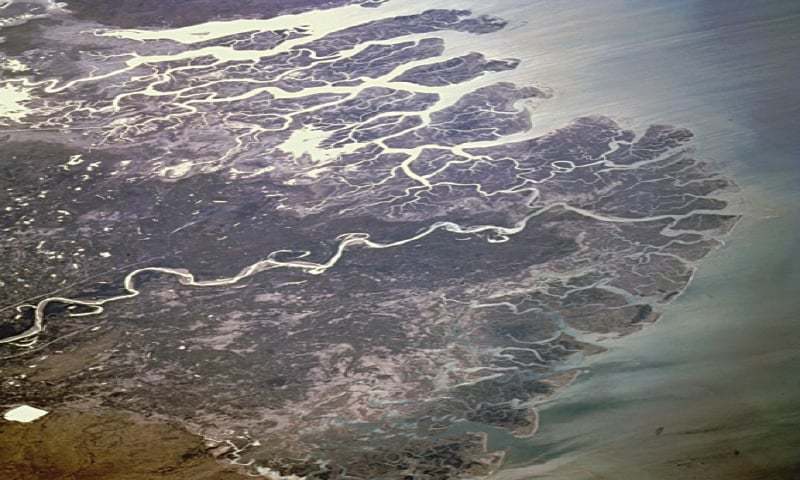
A Region on the Edge of Disappearing The Indus Delta in Pakistan is running out of time. Once a rich, green stretch of rivers, creeks and farmland, it is now drying up, eroding away and sinking under the weight of an advancing sea. Freshwater and sediment that used to flow down from the Indus River barely reach the coast anymore, and the effect on the people who live there has been devastating. Families in Thatta, Sujawal and Keti Bandar are watching their homes, fields and fishing grounds disappear. Many have…
Read MorePakistan Cotton Quality Under Pressure Across Key Growing Areas in 2026
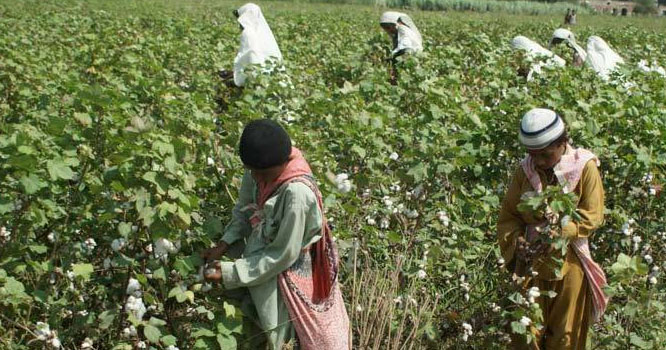
Summary Pakistan cotton quality has become almost as pressing a concern as the falling volume of the crop itself. Contamination during manual picking, pest damage, and the use of uncertified seed are dragging fibre grades down across the country’s main cotton growing areas in Pakistan. Buyers and mills say the gap with international quality benchmarks is widening. Background For decades, Pakistan built a textile industry on the back of locally grown cotton, prized for length and strength that suited both domestic spinning and export orders. That reputation has slipped in…
Read MorePakistan’s Largest Wastewater Treatment Plant Gets Centre’s Nod as Global Water Giants Set New Standards
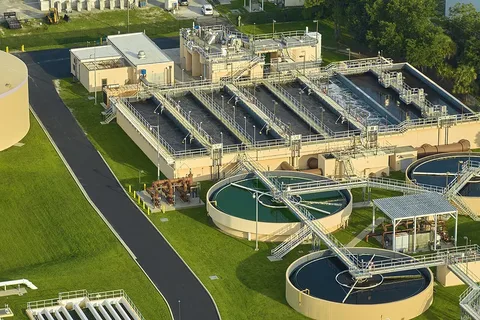
Pakistan’s largest wastewater treatment plant has formally received approval from the federal government, marking a major step toward addressing the country’s long-standing sewage and industrial effluent crisis. The nod places Pakistan among a growing list of nations racing to expand large-scale water treatment infrastructure. The decision comes at a time when several countries are investing heavily in massive treatment facilities to meet rising urban and industrial water demands. Background Pakistan’s cities have struggled for decades with inadequate sewage systems, and untreated wastewater has routinely been discharged into rivers, canals, and…
Read MorePakistan’s Water Crisis in Agriculture Is Getting Worse And Farmers Are Paying the Price
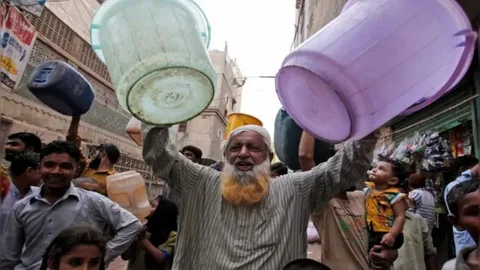
Pakistan is facing one of the most serious water crises in its history, and agriculture the backbone of its economy is feeling the worst of it. Millions of farmers across the country are struggling to irrigate their crops as rivers dry up, groundwater tables fall rapidly, and rainfall becomes dangerously unpredictable. If the water crisis in agriculture in Pakistan is not addressed urgently, experts warn it could trigger food shortages, mass rural unemployment, and an economic collapse the country is simply not prepared for. Background Pakistan was once considered a…
Read MoreToronto Wildfire Smoke Update: City Chokes Under Orange Skies as Ontario Wildfires Rage
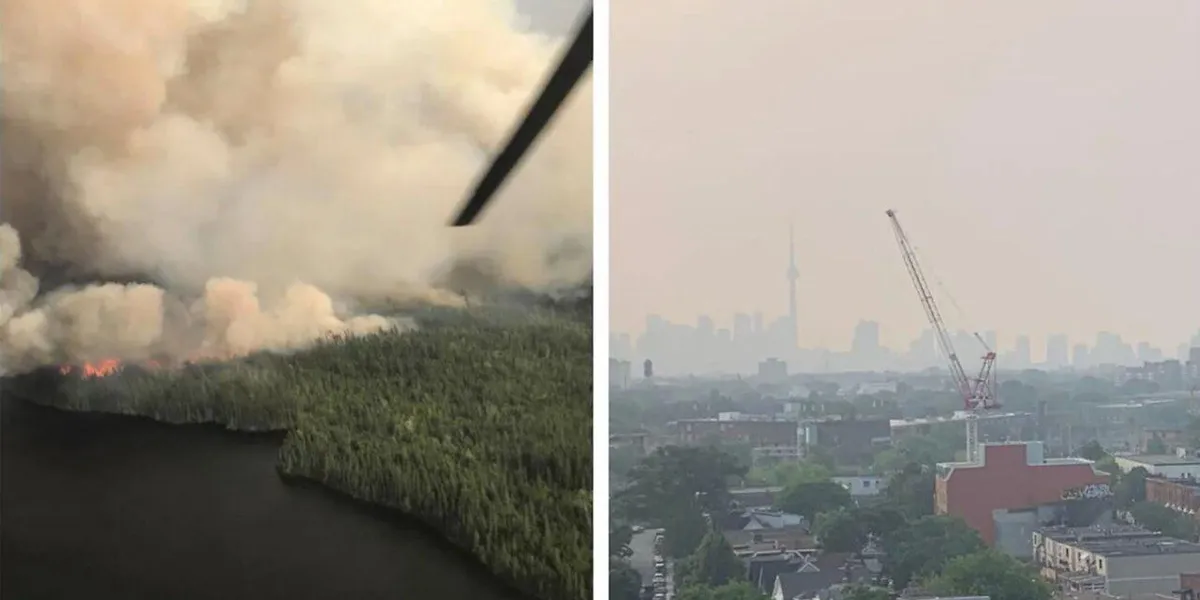
Toronto woke up Wednesday to one of the most alarming mornings in recent memory. A thick, orange blanket of wildfire smoke settled over the city, turning the sky an eerie amber colour and pushing Toronto’s air quality to the worst in the entire world. Environment Canada quickly issued an orange-level air quality warning, urging residents to stay indoors and limit all outdoor activity until conditions improve. What Is Happening in Toronto Right Now The smoke blanketing Toronto is not coming from a local source. It has drifted hundreds of kilometres…
Read MorePunjab Plastic Bag Ban: Govt Tightens Grip on Polythene Use Across Province
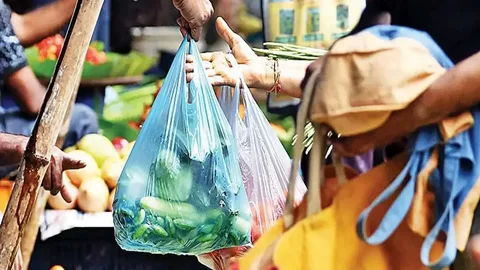
The Punjab plastic bag ban has entered a stricter enforcement phase in 2026. Authorities have intensified raids against shopkeepers and manufacturers still using thin polythene bags. The Punjab Environmental Protection Agency says thousands of inspections have already been carried out this year alone. Background Plastic pollution has long troubled Punjab’s cities, towns, and rural markets. Polythene bags clog drains, harm soil quality, and contribute heavily to urban flooding during monsoon season. For years, successive governments announced bans that were poorly enforced. The current Punjab government, led by Chief Minister Maryam…
Read MoreWhy Are Sea Temperatures Rising? Scientists Warn of a Hotter Ocean Future
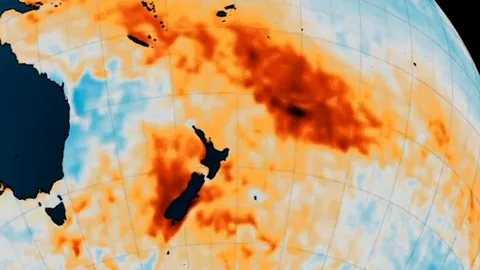
Oceans are absorbing more heat than at almost any point on record, and that’s turning into one of the more overlooked pieces of the climate story. Most of the extra warmth trapped by greenhouse gases isn’t staying in the air it’s going straight into the water. That has real consequences: stronger storms, stressed marine life, and coastal communities dealing with effects that build up slowly and then hit all at once. Why Ocean Temperatures Matter Oceans cover most of the planet, and they don’t just sit there they’re doing a…
Read MoreZimbabwe Climate Migration 2021 Crisis Deepens as Displaced Families Fear Evictions
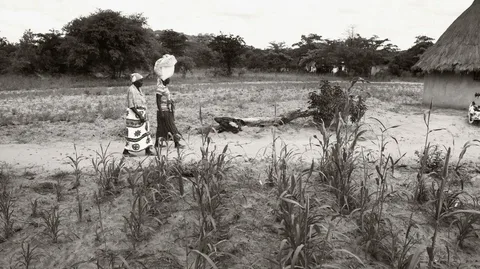
The Zimbabwe climate migration 2021 crisis has not resolved. Families displaced by drought, agricultural collapse, and economic hardship are now facing a second pressure: enforcement actions against the informal settlements where many of them landed after leaving their original homes. People who moved to survive are now being told they cannot stay where they arrived. That collision between environmental displacement and land-use enforcement is what makes the current situation particularly difficult to navigate for the communities caught in it. Background The Zimbabwe climate migration 2021 crisis built over years rather…
Read More