The Punjab plastic bag ban has entered a stricter enforcement phase in 2026. Authorities have intensified raids against shopkeepers and manufacturers still using thin polythene bags. The Punjab Environmental Protection Agency says thousands of inspections have already been carried out this year alone.
Background
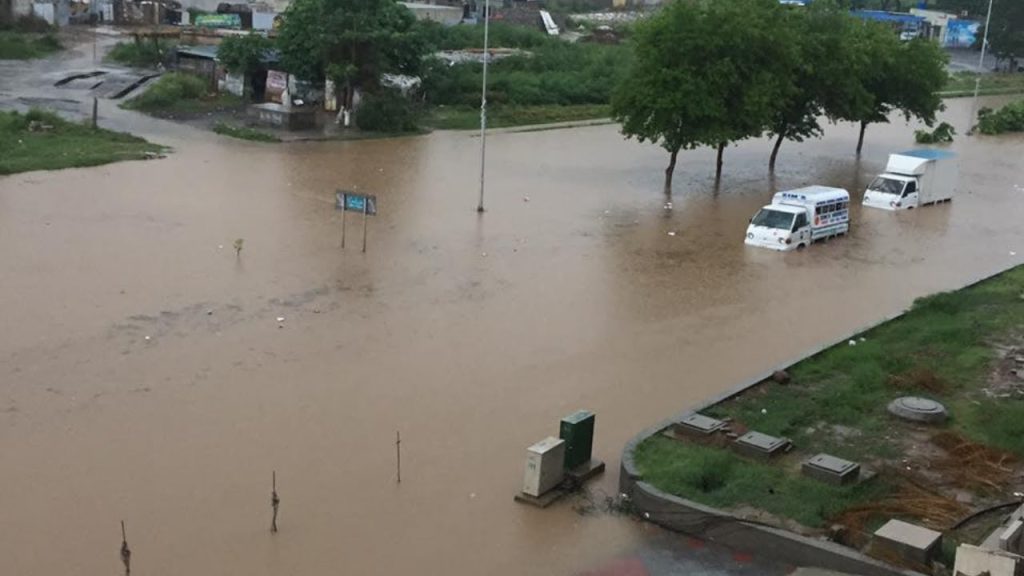
Plastic pollution has long troubled Punjab’s cities, towns, and rural markets. Polythene bags clog drains, harm soil quality, and contribute heavily to urban flooding during monsoon season. For years, successive governments announced bans that were poorly enforced.
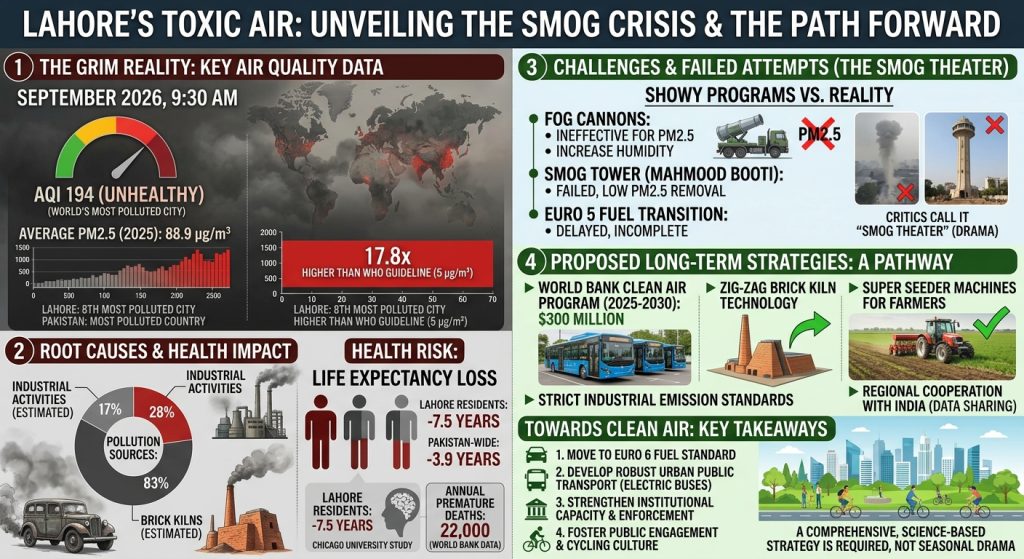
The current Punjab government, led by Chief Minister Maryam Nawaz Sharif, revived the campaign with a renewed push. The “No to Plastic” initiative was formally launched around World Environment Day, targeting shopping bags thinner than 75 microns. Officials framed the Punjab plastic bag ban as part of a wider anti-smog and anti-pollution strategy for the province.
Unlike earlier attempts, this version of the ban came with legal backing. Amendments were made to the Punjab Environmental Protection regulations covering single-use plastic products. This gave enforcement teams clearer legal grounds to act against violators.
Details
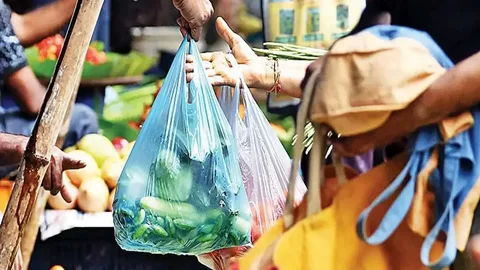
Under the current rules, all shopping bags and polythene bags below 75 microns in thickness are banned across Punjab. This covers manufacturing, distribution, sale, and everyday use in shops, restaurants, and markets.
Businesses involved anywhere in the plastic supply chain were required to register with the Environment Protection and Climate Change Department. An online registration portal was set up to streamline this process for manufacturers, distributors, and recyclers.
Enforcement data from early 2026 shows the scale of the crackdown. Punjab EPA teams conducted thousands of inspections within just four months. Officials confiscated hundreds of thousands of kilograms of banned plastic bags during this period, according to department figures.
Penalties for violators include fines, sealing of business premises, and in repeat cases, criminal cases registered against traders. Deputy Commissioners across Punjab’s districts have been made responsible for enforcing the ban locally, with powers to impose arrests and fines where necessary.
The Punjab plastic bag ban also restricts other single-use plastic items. These include disposable cutlery, plastic cups, straws, and multi-layer packaging materials listed under the province’s Single-Use Plastic Products Regulation.
What Are D2W Polythene Bags?
Many shoppers now notice bags printed with “D2W” instead of ordinary plastic markings. D2W stands for “Degradable to Water,” a technology added to plastic that allows it to break down faster than standard polythene when exposed to sunlight, heat, and oxygen.
D2W bags are marketed as an eco-friendlier alternative during the transition away from conventional plastic. However, environmental experts note that D2W bags still contain plastic polymers and are not fully biodegradable in the same way as paper or cloth alternatives.
Some manufacturers use D2W labelling to continue selling bags that technically meet thickness rules while claiming environmental benefits. Consumers are advised to check whether such bags fall within the approved micron limits set under the Punjab plastic bag ban.
Why Are Polythene Bags Banned? (Class 5 Explanation)
For students and general readers asking why the government of Pakistan has banned polythene bags, the reasoning is straightforward. Plastic bags take hundreds of years to decompose naturally. They block drainage systems, pollute rivers and canals, and are frequently swallowed by animals, causing illness or death.
Burning plastic waste releases toxic fumes that worsen air quality and contribute to respiratory diseases. Microplastics from degraded bags also enter soil and water systems, eventually reaching the human food chain. These health and environmental concerns form the basic reasoning behind the nationwide push against polythene bags.
Quotes
Punjab Environment Secretary Silwat Saeed said the department is not relying solely on enforcement raids. She explained that public awareness campaigns and market-level reforms are running in parallel to help traders and consumers shift toward sustainable alternatives.
Environment Protection and Climate Change Secretary Raja Jahangir Anwar said the government’s approach is backed by legal reform, not just administrative orders. He noted that stakeholder consultations were held with industry associations before rolling out the tightened Punjab plastic bag ban.
A Sahiwal Medical College professor, commenting on the health angle, said prolonged plastic exposure is linked to skin conditions and other serious illnesses, reinforcing why authorities argue the ban is a public health necessity rather than only an environmental one.
Local traders, however, remain divided. Some shopping bag manufacturers have argued that abrupt bans threaten livelihoods without offering workers a clear alternative source of income.
Impact
The Punjab plastic bag ban has regional implications beyond Punjab’s borders. Other provinces, including Islamabad Capital Territory, already enforce similar restrictions on polythene bags with fines reaching hundreds of thousands of rupees for violators.
Economically, the ban affects thousands of small and large shopping bag manufacturing units operating across cities like Lahore, Multan, Faisalabad, Gujranwala, Rawalpindi, and Sargodha. Many workers in this informal sector depend on plastic bag production for daily wages.
Environmentally, reduced plastic bag circulation could ease pressure on Punjab’s drainage systems, particularly during monsoon flooding. Health experts argue that reduced plastic burning could also modestly improve air quality in cities already struggling with smog.
Retailers have responded in mixed ways. Some have shifted toward cloth or paper bags, while others reportedly continue supplying free plastic bags discreetly to avoid losing customers, according to trader accounts reported in local media.
Conclusion
The Punjab plastic bag ban is expected to remain a central policy focus through 2026, with authorities signalling further inspection drives ahead of World Environment Day campaigns. Officials say plastic-free zones are being piloted in major urban markets as models for province-wide rollout.
Whether enforcement holds steady long-term remains uncertain, given the history of earlier bans losing momentum. For now, businesses across Punjab are being pushed toward registration, thickness compliance, and alternatives like D2W and cloth bags as the province tries to make this crackdown stick.
Frequently Asked Questions
Where do 79% of all plastic products end up?
Environmental researchers estimate that a large majority of plastic products, often cited around 79 percent, end up either in landfills or scattered across natural environments such as rivers, oceans, and open land, rather than being recycled. This is because recycling infrastructure in many countries, including Pakistan, remains limited, and a significant portion of plastic waste is either burned informally or left to accumulate in drains, fields, and waterways, contributing to long-term pollution and clogged sewage systems during monsoon seasons.
How much does 1 kg of plastic cost?
The cost of one kilogram of plastic varies significantly depending on the type of plastic, its quality, and whether it is virgin or recycled material. In Pakistan’s local market, raw plastic used for shopping bags can range anywhere from roughly 250 to 400 rupees per kilogram, though prices fluctuate based on oil prices, import costs, and regional supply chains. Recycled plastic tends to be cheaper than virgin plastic, which is one reason banned thin bags remain economically attractive to some manufacturers despite the risk of fines.
Are crackers allowed in Punjab?
Regarding firecrackers, Punjab authorities periodically impose restrictions or bans on the sale and use of firecrackers, particularly around specific festivals or in response to safety and pollution concerns, though rules can vary by district and time of year. It is advisable to check with local district administration or Environment Protection Department notifications for the most current status, as enforcement and permissions have shifted in recent years depending on public safety assessments and seasonal air quality conditions in major cities like Lahore.