US Iran negotiations are once again in focus as diplomatic efforts show a small but important sign of progress. Despite ongoing tensions, both United States and Iran appear willing to return to the negotiation table. Recent developments suggest that while a final agreement remains distant, dialogue is still possible.
Talks Resume Amid Global Pressure
Recent reports indicate that US Iran negotiations could resume soon, with discussions possibly taking place in locations like Pakistan or Geneva. Global leaders and mediators are encouraging both sides to continue dialogue to avoid further escalation. The renewed diplomatic push highlights the urgency of resolving the crisis through peaceful means.
Key Issue: Nuclear Program Dispute
The central issue in US Iran negotiations remains Iran’s nuclear program. The United States has demanded strict limits on uranium enrichment, while Iran has pushed back against what it considers excessive conditions. This disagreement continues to be the biggest obstacle in reaching a final deal.
Geneva Talks and Diplomatic Progress
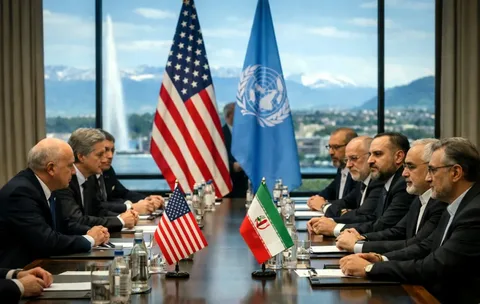
US Iran negotiations Geneva rounds have shown some technical progress, with both sides discussing legal, economic, and nuclear-related issues. Mediators have played a crucial role in keeping communication open, even when direct talks stalled. Although no final agreement has been reached, both parties have acknowledged partial progress.
Pakistan’s Role in Mediation
Us-iran talks Pakistan have added a new dimension to the diplomatic process. Pakistan has emerged as a potential mediator, hosting discussions aimed at bridging the gap between the two sides. This involvement reflects the growing importance of regional players in global diplomacy.
Challenges Blocking a Breakthrough
Despite some positive signals, US Iran negotiations face serious challenges. Differences over nuclear restrictions, sanctions relief, and regional security continue to delay progress. Both sides remain cautious, and trust issues further complicate the process.
Impact on Global Economy
The outcome of US Iran negotiations has significant implications for global markets, especially oil prices. Tensions in the region have already affected supply routes, and any escalation could lead to further economic instability. This makes successful negotiations critical not just for the region but for the global economy.
Diplomatic Signals of Progress
Leaders and international organizations have expressed cautious optimism about the future of US Iran negotiations. Statements suggest that both sides are willing to explore solutions, even if progress is slow. This “sliver of hope” keeps diplomatic channels alive.
Conclusion
US Iran negotiations remain complex and challenging, but recent developments indicate that dialogue is not over. With continued efforts from global and regional actors, there is still a possibility of reaching a peaceful resolution. The coming weeks will be crucial in determining whether this small hope can turn into a lasting agreement.
FAQs
What was the US trying to negotiate with Iran?
The United States aims to limit Iran’s nuclear program and ensure it does not develop nuclear weapons.
What’s the issue between the US and Iran?
The main issue is Iran’s nuclear activities, along with sanctions, regional influence, and security concerns.
How do Iranians negotiate?
Iran typically negotiates through a combination of diplomacy, strategic patience, and firm positions on sovereignty and national interests.