House lawmakers vote to require congressional approval for continued US military action against Iran, but the Senate blocks a similar proposal.
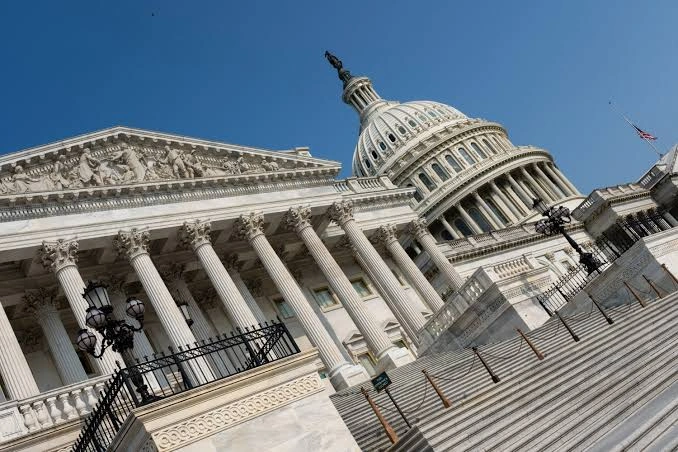
WASHINGTON: The US House of Representatives has approved a resolution urging President Donald Trump to end American military operations against Iran unless Congress formally authorises further use of force, highlighting growing divisions in Washington over the administration’s war policy.
The Republican-controlled House passed the measure by a 214-208 vote, with four Republican members breaking ranks to support Democrats in backing the proposal.
However, the effort failed to gain momentum in the Senate, where lawmakers voted 49-47 to reject a companion resolution just hours later.
Congress Pushes Back on Military Authority
The House resolution, introduced by Democratic Representative Pramila Jayapal, invokes the War Powers Resolution, arguing that the US Constitution grants Congress—not the president—the authority to approve prolonged military engagements.
The measure calls on President Trump to withdraw American armed forces from hostilities involving Iran unless lawmakers provide explicit authorisation for continued military action.
Supporters of the resolution said congressional oversight is essential before the United States becomes further involved in the conflict.
Senate Refuses to Advance Similar Proposal
While the House approved the measure, the Senate declined to follow suit.
Senators voted down a nearly identical proposal by a margin of 49-47, preventing Congress from taking unified action on limiting the president’s military authority.
The split outcome reflects ongoing disagreements among lawmakers over the scope of presidential war powers and America’s role in the escalating Middle East conflict.
Resolution Unlikely to Affect Ongoing Operations
Although the House vote represents a political challenge to the Trump administration, the resolution is non-binding and does not compel the White House to halt military operations.
Congress has previously adopted similar war powers resolutions since fighting involving the United States, Israel and Iran intensified earlier this year, but none has resulted in an end to military action.
The Trump administration maintains that the president has sufficient legal authority to direct military operations in defence of US national security interests, while opponents argue that any sustained conflict requires congressional approval.
Debate Over War Powers Continues
The latest votes underscore the continuing constitutional debate over the balance of power between the White House and Congress during times of military conflict.
With tensions between the United States and Iran showing little sign of easing, lawmakers are expected to continue pressing for greater congressional oversight of future military decisions, even as the administration insists it retains broad authority to respond to regional security threats.