Initial diplomatic breakthrough eased tensions and revived Gulf shipping, but unresolved disputes over sanctions, nuclear commitments and enforcement have weakened the agreement.
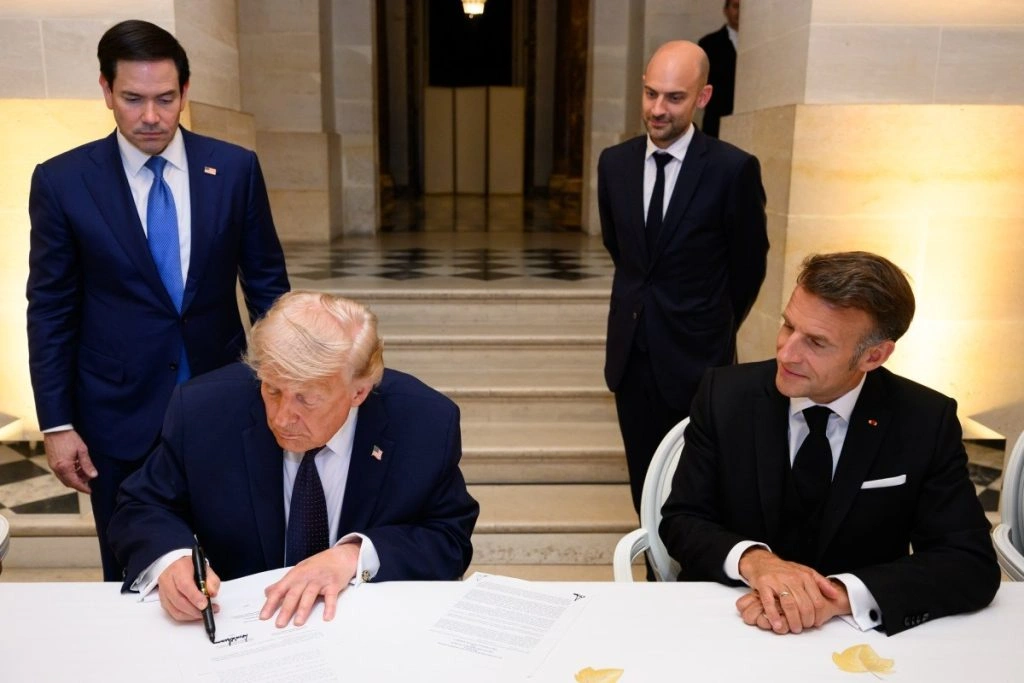
The June 17 memorandum of understanding (MoU) between the United States and Iran initially appeared to mark a turning point after weeks of heightened military tensions. The agreement extended a ceasefire, reopened diplomatic channels and raised hopes for renewed regional stability in one of the world’s most strategically important areas.
In the days following the agreement, there were clear signs of progress. Commercial traffic through the Strait of Hormuz, a vital waterway that carries nearly one-fifth of global oil shipments, began recovering. Iranian oil exports increased significantly under a temporary sanctions waiver, while maritime activity returned to near-normal levels.
During the week of June 22–28, around 340 commercial vessels transited the Strait of Hormuz, making it the busiest week since fighting erupted earlier in the year. The surge in shipping was widely viewed as evidence that diplomacy had begun restoring confidence in global energy markets.
Early Momentum Quickly Fades
Despite the promising start, the agreement soon encountered serious challenges.
Within weeks, commercial shipping through the Strait declined again as military tensions resurfaced. Reports of renewed exchanges between the United States and Iran raised concerns that the ceasefire was becoming increasingly fragile, prompting international mediators to seek another temporary truce to preserve the original accord.
The rapid deterioration highlighted a major weakness in the agreement: while both sides had reached political consensus on paper, many practical issues required to implement the deal remained unresolved.
Implementation Proved the Biggest Challenge
Analysts argue that negotiators focused primarily on securing a political agreement rather than developing a detailed implementation framework.
Although the signing of the MoU was celebrated as a diplomatic success, key questions involving enforcement, verification, dispute resolution, sanctions implementation and confidence-building measures were largely postponed.
Once governments, military authorities, financial institutions, insurers, regulators and commercial shipping companies began implementing the agreement, disagreements emerged over how several provisions should be interpreted.
Constructive Ambiguity Created New Disputes
Like many ceasefire agreements, the MoU relied on what diplomats often describe as “constructive ambiguity”—language designed to provide political flexibility while allowing both sides to present the agreement positively to domestic audiences.
However, experts note that such ambiguity can only succeed when accompanied by clear enforcement and monitoring mechanisms.
In the absence of detailed implementation procedures, unresolved issues quickly resurfaced after the agreement took effect.
Nuclear and Sanctions Questions Remain Unresolved
Among the most contentious issues were provisions related to Iran’s nuclear programme and sanctions relief.
The agreement referred to maintaining the existing nuclear “status quo” without clearly defining which nuclear activities would remain permissible or prohibited.
Similarly, while the MoU envisioned limited sanctions relief, it did not specify which sanctions would be suspended, under what legal authority they would be eased, or the timeline for implementation.
Questions also arose regarding frozen Iranian financial assets. Public discussions suggested that approximately $12 billion could eventually become available, but disagreements soon emerged over whether the funds would remain under international supervision or be transferred directly to Iranian control.
Diplomatic Efforts Continue
Despite the setbacks, diplomatic contacts remain ongoing as mediators continue working to preserve the ceasefire and prevent renewed regional escalation.
Observers say the experience demonstrates that reaching a political agreement is only the first step in conflict resolution. Long-term success depends on establishing detailed implementation mechanisms, effective monitoring systems and reliable dispute-resolution procedures capable of maintaining trust once an agreement enters its operational phase.