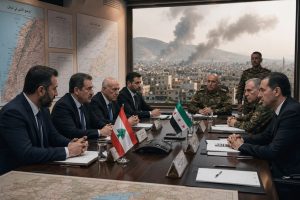

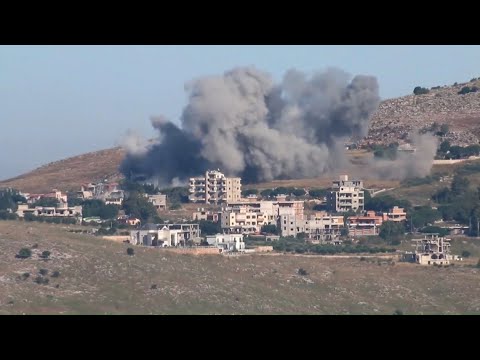
The Iran war peace deal efforts have once again come under serious strain as fresh reports suggest that the fragile Iran ceasefire broken situation is worsening on multiple fronts. Despite earlier diplomatic efforts, renewed violence and political disagreements have cast doubt on the possibility of a lasting agreement. The situation has also raised global concern about whether a stable Iran ceasefire agreement can actually be achieved.
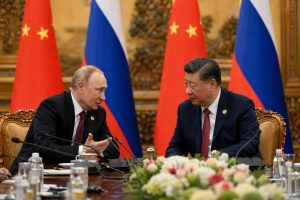
International observers say the situation remains highly unstable, with both military activity and political tension increasing. Discussions around a potential US-Iran ceasefire deal continue, but trust between both sides appears weak, making peace negotiations extremely difficult at this stage.
Background
The ongoing Iran conflict has been one of the most complex geopolitical crises in recent years. Attempts at forming a Iran ceasefire 10-point plan were introduced by mediators to reduce violence and open diplomatic channels. However, disagreements over enforcement, military withdrawal, and sanctions have slowed down progress significantly.
Earlier negotiations were supported indirectly by global powers, aiming to prevent further escalation. However, repeated violations and accusations from both sides have created uncertainty around whether a meaningful Iran ceasefire agreement can be sustained in the long term.
Details of the Situation
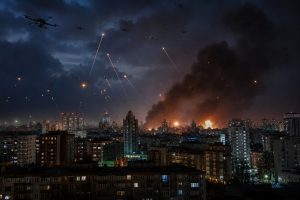
Recent developments suggest that the Iran ceasefire broken reports are linked to renewed airstrikes and retaliatory actions in conflict zones. Analysts say that even though diplomatic talks continued in the background, military actions on the ground undermined trust.
The idea of a structured Iran ceasefire 10-point plan was designed to include phased de-escalation, prisoner exchanges, and monitoring mechanisms. However, implementation has stalled due to disagreements on verification and security guarantees.
Meanwhile, discussions about a broader US-Iran deal latest news indicate that diplomatic channels are still open but fragile. The latest reports of Iran war attack today incidents further complicate the possibility of a long-term settlement.
Statements and Reactions
Diplomatic sources have stated that while communication has not completely broken down, trust remains at a very low level. A senior analyst commented that the current Iran war ceasefire deal situation is “highly unstable and vulnerable to collapse at any moment.”
Some officials involved in mediation efforts emphasized that both sides must return to structured negotiations. However, skepticism remains high due to repeated violations and lack of enforcement mechanisms in earlier agreements.
Experts also warn that without international guarantees, any Iran ceasefire agreement will remain temporary and fragile.
Impact of the Conflict
The ongoing instability has significant regional and global consequences. Energy markets are already reacting to uncertainty in the Middle East, and shipping routes remain under risk due to possible escalation.
If the Iran war peace deal fails completely, it could lead to further military escalation involving regional allies and global powers. This would not only destabilize the Middle East but also increase global inflation due to disrupted oil supply chains.
Humanitarian concerns are also rising, as continued conflict increases displacement and civilian casualties in affected areas
Conclusion
The future of the Iran war peace deal remains uncertain as diplomatic efforts struggle to hold ground against ongoing tensions. While negotiations are not completely over, the repeated breakdown of the Iran ceasefire agreement highlights deep mistrust between the parties.
Observers believe that unless a stronger international framework is introduced, including strict monitoring and enforcement, the chances of a lasting US-Iran ceasefire deal remain slim. For now, the region continues to face instability, with peace still far from guaranteed.
FAQs
Did Iran refuse the peace deal?
Iran has not officially rejected all peace efforts, but reports suggest disagreements over key conditions have slowed progress significantly. Iran has raised concerns about security guarantees, sanctions relief, and enforcement mechanisms. These unresolved issues have created delays in finalizing any structured agreement.
Has Iran agreed to a peace deal?
No final peace deal has been formally agreed upon. While diplomatic talks and proposals like a ceasefire framework have been discussed, Iran and other involved parties have not reached a binding and fully implemented agreement. Negotiations remain ongoing but uncertain.
Has Trump agreed to a ceasefire with Iran?
There is no confirmed or officially signed ceasefire agreement involving Trump and Iran. Any references to discussions or proposals remain part of diplomatic speculation and negotiation attempts rather than a finalized deal. The situation continues to evolve through indirect diplomatic channels.