
For years, Lyari was known across Pakistan because of gang violence, political conflict, and criminal networks. The Lyari gangland stereotype became deeply connected with Karachi’s image in local media and films. However, residents now say the neighborhood is changing through sports, education, and community programs.
Today, many young people in Lyari are trying to move away from the violent history associated with names like Rehman Dakait, Arshad Pappu, and Baba Ladla Lyari. Local activists believe the area deserves recognition for its culture and talent instead of its past.
Background
Lyari is one of Karachi’s oldest neighborhoods and has historically been home to working-class communities, including fishermen, laborers, and migrants. The area developed a strong cultural identity with football, boxing, music, and street art becoming important parts of local life.
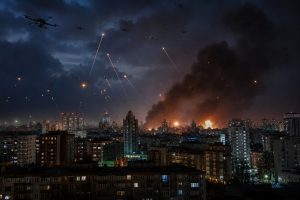
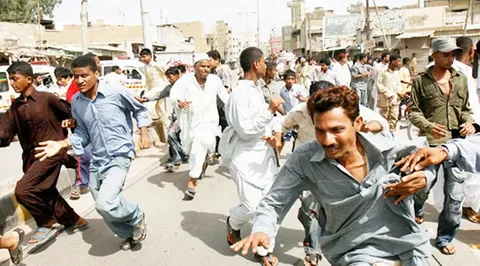
Despite its rich culture, Lyari became internationally associated with gang wars during the late 2000s and early 2010s. Armed groups battled for political influence, extortion control, and territory. During that period, headlines frequently mentioned names such as Rehman Dakait, Baba Ladla Lyari, and Arshad Pappu.
The violence also affected public opinion about Karachi. The phrase “Lyari gangland stereotype Karachi” became common in discussions about crime and instability. Many residents say this image ignored the struggles of ordinary families living in the area.
How the Violence Began
Experts believe the roots of violence in Lyari were linked to poverty, political rivalry, unemployment, and weak law enforcement. Criminal groups slowly gained influence in different parts of the neighborhood.
Several gang leaders became widely known during the conflict years. Rehman Dakait was among the most recognized names connected with Lyari’s gang networks. His rise changed the criminal landscape in Karachi and increased tensions among rival groups.
After his death, new figures emerged, including Baba Ladla Lyari and Arshad Pappu. Their rivalry contributed to years of shootings, kidnappings, and fear. Residents often found themselves trapped between armed clashes and police operations.
During this period, questions about governance also increased. Political observers frequently discussed the role of leadership and representation, including debates around the MNA of Lyari in 2007 and the political situation that existed at the time.
The Human Cost of Gang Wars
The violence deeply affected families in Lyari. Schools were closed during security operations, businesses suffered losses, and many residents relocated to safer areas of Karachi. Parents feared sending children outside because shootings could happen unexpectedly.
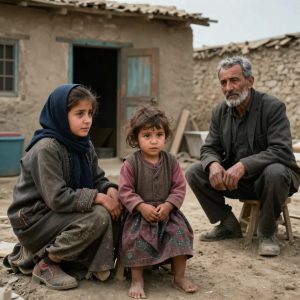
Healthcare and education systems also struggled. Economic activity slowed as investors avoided the neighborhood due to security concerns. Residents say the media often focused only on gangs while ignoring humanitarian issues inside the community.
Local shopkeepers remember periods when extortion demands became common. Some families lost relatives during crossfire incidents, while others experienced psychological trauma after years of instability.
Many residents believe the Lyari gangland stereotype became unfair because it painted the entire area as dangerous. They argue that millions of peaceful residents should not be judged because of the actions of criminal groups.
Is Lyari Safe Now?
One of the most searched questions today is: “Is Lyari safe now?” Residents and security analysts say the situation has improved significantly compared to the peak violence years.
Large-scale security operations reduced the influence of armed gangs in Karachi. Police presence increased, and several criminal networks were dismantled. Markets reopened, sports activities returned, and community events slowly resumed.
However, challenges still remain. Poverty, unemployment, and lack of infrastructure continue to affect many families. Social workers say long-term peace depends on education, economic opportunities, and youth development.
Local residents insist that outsiders should visit Lyari to understand its real identity. They say the area is now better known for football grounds, boxing clubs, and cultural events rather than gang conflict.
Sports Are Changing Lyari’s Image
Sports have become one of the strongest tools in changing perceptions about Lyari. Boxing, football, and martial arts are attracting young people away from crime and drugs.
Several boxing clubs in the area train children and teenagers who dream of representing Pakistan internationally. Coaches say sports provide discipline, purpose, and confidence to local youth.
Football has also remained deeply connected to Lyari’s identity. Many talented footballers from Karachi started their careers in the neighborhood’s streets and playgrounds.
Community leaders believe sports can permanently replace the Lyari gangland stereotype with a more positive image connected to talent and resilience.
Voices from the Community
Residents say the media should highlight success stories instead of focusing only on violence. Teachers, athletes, and social activists are trying to rebuild trust and inspire young people.
A local coach said that many children now want to become athletes instead of gang members. According to him, the younger generation is more interested in education and opportunities than conflict.
Another resident explained that outsiders often still fear visiting Lyari because of old perceptions linked to Rehman Dakait, Baba Ladla Lyari, and Arshad Pappu. He said those names belong to the past, while today’s Lyari is focused on rebuilding itself.
Community organizations are also arranging educational workshops, sports tournaments, and youth engagement programs to create positive alternatives for teenagers.
Karachi’s Larger Security Transformation
The improvement in Lyari reflects broader security changes across Karachi. Over the past decade, law enforcement agencies have conducted operations targeting organized crime and militant networks.
Business activity has increased in many parts of the city as security conditions improved. Restaurants, markets, and recreational areas that once experienced fear and uncertainty are now more active.
Analysts say Karachi’s stability remains important for Pakistan’s economy because the city serves as the country’s financial and commercial center. A peaceful Lyari is therefore considered essential for long-term urban stability.
Experts also warn that development must continue to prevent criminal groups from returning. They emphasize that security operations alone cannot solve social and economic problems.
Media Representation and Stereotypes
Residents argue that films and television dramas often exaggerated the criminal image of Lyari. Many people outside Karachi formed opinions based only on fictional portrayals and sensational headlines.
The phrase “Lyari gangland stereotype Karachi” became part of popular culture, even though many citizens had never visited the neighborhood themselves.
Researchers say stereotypes can damage communities for generations because they discourage tourism, investment, and social integration. Young residents may also feel stigmatized when applying for jobs or education opportunities outside the area.
Social activists believe balanced reporting is necessary to show both the historical problems and the ongoing recovery efforts taking place in Lyari.
Impact on Pakistan’s Urban Development
The transformation of Lyari could become an example for other urban areas facing crime and poverty. Experts believe investment in youth programs, sports, education, and employment can reduce violence in marginalized neighborhoods.
Urban planners say Karachi needs more inclusive development policies to prevent social inequality from creating future instability. Communities that feel ignored often become vulnerable to criminal influence.
The situation in Lyari also highlights the importance of community-led initiatives. Local organizations played a major role in restoring sports culture and encouraging youth participation.
International observers monitoring Karachi’s security situation now increasingly discuss recovery and resilience rather than only gang violence.
Conclusion
Lyari’s history includes painful memories of gang wars, insecurity, and criminal networks associated with names like Rehman Dakait, Baba Ladla Lyari, and Arshad Pappu. Yet residents say those years should not define the community forever.
Today, many young people are choosing sports, education, and cultural activities over violence. The neighborhood still faces economic and social challenges, but local leaders believe the future can be different from the past.
As Karachi continues to evolve, Lyari is trying to replace its gangland stereotype with a new identity built around resilience, talent, and hope.
FAQs
What is the history of Lyari?
Lyari is one of the oldest neighborhoods in Karachi and has historically been home to working-class communities, fishermen, and migrants. The area became famous for football, boxing, music, and cultural diversity. However, during the late 2000s and early 2010s, gang violence and political conflict damaged its reputation. Despite this difficult period, residents continue working to restore Lyari’s positive identity through sports and community programs.
Is Lyari a slum area?
Lyari has often been described as an underdeveloped urban area because of poverty, overcrowding, and limited infrastructure. However, many residents reject the label of “slum” because the neighborhood has a rich cultural history and strong community identity. While some parts of Lyari face economic challenges, the area is also known for sports talent, local businesses, and social activism.
What is the richest neighborhood in Karachi?
Karachi has several wealthy neighborhoods, including Clifton, DHA (Defence Housing Authority), and parts of PECHS. These areas are known for luxury homes, commercial centers, modern infrastructure, and high-income residents. Clifton and DHA are particularly recognized as some of the most expensive and developed areas in the city.