
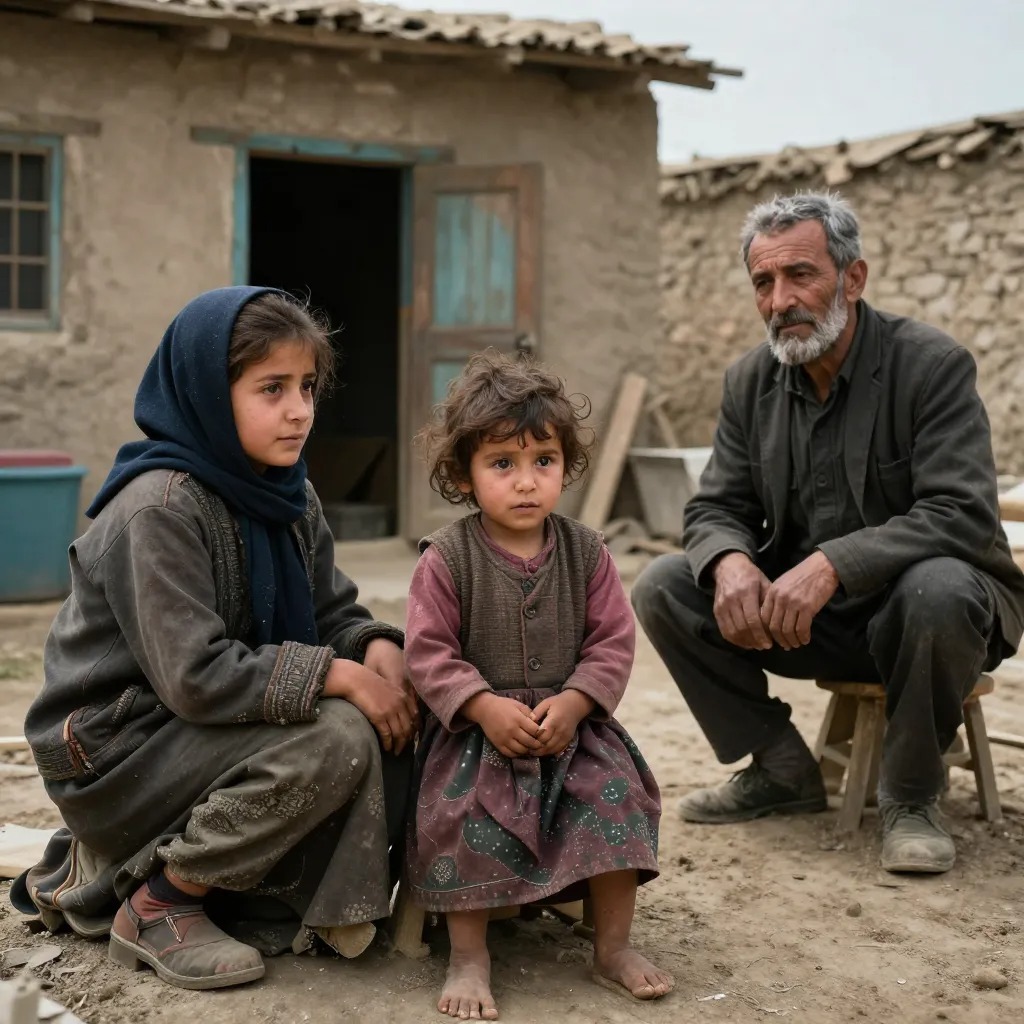

Afghanistan’s deepening humanitarian and economic crisis is forcing some families into devastating survival decisions, with reports indicating that extreme poverty has pushed certain parents to sell their children in order to secure food, shelter, and basic necessities.
Human rights organizations and aid agencies warn that worsening economic conditions, unemployment, inflation, and reduced international assistance have left millions of Afghans struggling to survive. Rural communities and internally displaced families are considered among the most vulnerable groups affected by the crisis.
According to humanitarian workers, many parents are facing impossible choices as they attempt to protect their families amid severe shortages of food, healthcare, and employment opportunities. In some cases, families reportedly arrange early marriages or informal agreements involving children in exchange for financial support.
Aid groups describe the situation as a humanitarian emergency driven by years of conflict, political instability, sanctions, and economic collapse following major changes in Afghanistan’s government and international relations.
Women and children continue to face the harshest impact of the crisis, with growing concerns over malnutrition, lack of education, and child protection risks across multiple provinces. International agencies say millions of children remain in urgent need of humanitarian assistance.
Human rights advocates are urging the international community to increase emergency aid and expand support programs focused on food security, healthcare, education, and employment opportunities for struggling families.
Despite ongoing humanitarian efforts, relief organizations say available resources remain insufficient compared to the scale of the crisis. Aid delivery challenges and funding shortages have also complicated assistance operations in remote regions.
The situation has sparked renewed international concern over Afghanistan’s future stability and the urgent need for long-term economic recovery measures to prevent further human suffering.
Experts warn that without increased global support and sustainable economic solutions, vulnerable families may continue facing desperate circumstances in the months ahead.