Pakistan has intensified its diplomatic push to help broker an understanding between Iran and the United States, with Interior Minister Mohsin Naqvi holding high-level meetings in Tehran this week. The visit comes as the Strait of Hormuz remains largely closed to commercial shipping more than five months into the 2026 Iran war, and as Islamabad simultaneously manages an active border conflict with Afghanistan. Together, these three threads — Iran war news, US-Iran war news, and Pakistan’s own security situation — are shaping one of the most consequential stretches of regional diplomacy in years.
Background
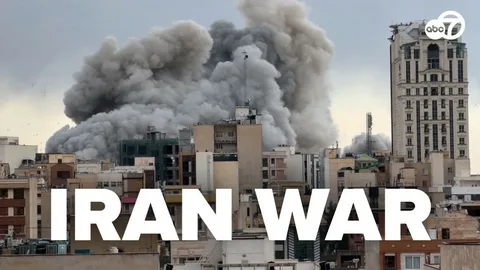
The current crisis traces back to February 28, 2026, when the United States and Israel launched a joint military campaign against Iran that killed Supreme Leader Ali Khamenei and dozens of senior officials, alongside strikes on Iranian military and nuclear infrastructure. Iran responded by closing the Strait of Hormuz to foreign shipping and firing missiles and drones at US and Israeli-linked targets across the region. Pakistan, which shares a roughly 900-kilometer border with Iran, moved quickly into a mediating role, brokering a two-week ceasefire in early April and hosting the first round of what became known as the Islamabad Talks. A more detailed framework, the Islamabad Memorandum, was signed by the US and Iran on June 17 and briefly reopened Hormuz to traffic — but the truce collapsed within weeks after fresh attacks on commercial vessels, and the strait has remained effectively closed since early July.
Pakistan’s regional position has been complicated further by a separate, simultaneous war along its own western border. Fighting between Pakistani forces and the Afghan Taliban, which escalated into what Islamabad called “open war” in late February 2026, has continued in parallel with the Iran crisis, driven by Pakistan’s accusations that Kabul shelters the Pakistani Taliban (TTP).
Details
According to Pakistani outlet Dunya News, Naqvi met Iranian President Masoud Pezeshkian and Foreign Minister Abbas Araghchi in Tehran this week for what were described as detailed discussions on the evolving regional situation. The talks came as Tehran and Washington continued exchanging messages through intermediaries rather than direct negotiations, with Islamabad positioning itself as the go-between.
The mediation effort is unfolding against a backdrop of renewed strain over the Strait of Hormuz, the world’s most important oil chokepoint. Independent maritime tracking shows only a handful of vessels transiting the strait each day as of mid-August, compared with a pre-crisis average above 70, and war-risk insurance premiums remain many times their normal level. Iran has reportedly passed Washington a list of conditions for reopening through its foreign ministry, while the Islamic Revolutionary Guard Corps maintains that the strait stays shut until those conditions are met.
Pakistan’s own officials have struck a cautiously optimistic tone. Defence Minister Khawaja Asif told reporters in Islamabad this week that the US and Iran are close to some kind of arrangement, even as both sides have hardened their public positions in recent days. His comments followed reports that US President Donald Trump had briefly called off planned military strikes on Iran after regional allies, including Saudi Arabia, the UAE and Qatar, urged him to pause.
Alongside the Iran diplomacy, Pakistan and Iran have also been deepening bilateral economic ties independent of the wider crisis. The two countries’ trade ministers met in Islamabad earlier this month for the 10th Pakistan-Iran Joint Trade Committee, reaffirming a shared target of 10 billion US dollars in bilateral trade and agreeing to expand border crossing facilities and cooperation in the mining sector.
Quotes
Pakistani officials have consistently framed their role as one of principled neutrality rather than alignment with either side. Prime Minister Shehbaz Sharif told an Iranian delegation earlier this month that Pakistan highly values its close and brotherly ties with the Islamic Republic of Iran, and said Islamabad would continue its sincere diplomatic efforts to promote peace and stability across the region.
On the reopening of the Strait of Hormuz specifically, Defence Minister Khawaja Asif offered a measured but hopeful assessment, telling reporters that things are shaping up in favor of peace, without detailing what form a breakthrough might take.
Iranian President Masoud Pezeshkian, for his part, used his meeting with Naqvi to call for further strengthening Iran-Pakistan relations across various sectors, describing the two countries’ historical and cultural ties as the foundation of their bilateral relationship and pointing to opportunities for closer cooperation in political, trade and security matters.
Impact
The continued closure of the Strait of Hormuz carries consequences well beyond the region. The waterway normally carries around a fifth of global daily oil supply and a similar share of the world’s liquefied natural gas trade, and its disruption has already pushed global oil prices and shipping insurance costs sharply higher over the course of 2026. Thousands of seafarers remain effectively stranded in the Gulf, and major shipping lines have suspended or sharply reduced transits through the strait.
For Pakistan, sustained instability on two fronts — mediating between Iran and the US while simultaneously fighting a border war with Afghanistan — has strained both its diplomatic bandwidth and its domestic economy, with officials citing energy pressures and public unease at home. At the same time, Islamabad’s central role in brokering earlier ceasefires and hosting the Islamabad Talks has elevated its regional standing, positioning Pakistan as one of the few actors both Washington and Tehran appear willing to engage through.
Conclusion
With Naqvi’s Tehran visit fresh and Asif’s comments suggesting movement behind the scenes, the coming weeks are likely to determine whether the current impasse over Hormuz breaks toward a durable reopening or toward another round of the cycle seen since February — ceasefire, breakdown, and renewed closure. Analysts and regional governments will be watching closely for any formal follow-up to the June 17 Islamabad Memorandum, while Pakistan’s simultaneous management of its Afghanistan border conflict means Islamabad’s diplomatic resources remain stretched across two active crises at once.
Frequently Asked Questions
Is the Strait of Hormuz open?
As of mid-August 2026, the Strait of Hormuz remains effectively closed to routine commercial shipping. It briefly reopened in mid-June 2026 after the US and Iran signed the Islamabad Memorandum, a Pakistan-brokered framework agreement, but that arrangement broke down within weeks following renewed attacks on commercial vessels in the strait. Independent maritime trackers report only a handful of vessels transiting daily, compared with a pre-crisis average of well over 70, and war-risk insurance premiums remain many times higher than normal. Iran has said it will not consider the strait fully safe for passage until certain conditions tied to the wider dispute with the US are met, while Pakistani officials say the two sides are edging closer to some form of arrangement.
Is the Iran visa open for Pakistani?
Yes, Pakistani citizens can still apply for an Iran visa in 2026, though they are not among the nationalities eligible for a simple visa-on-arrival. Pakistani travelers are generally required to obtain their visa in advance, most commonly through Iran’s e-Visa system or with the help of a licensed Iranian travel agency, and must hold a passport valid for at least six months beyond their planned stay. Iran has tightened some visa procedures over the course of 2026, including stricter documentation requirements for travelers from several countries, though officials have said these particular restrictions are aimed primarily at citizens of Western countries rather than regional neighbors like Pakistan. Travelers are strongly advised to confirm current requirements directly with the Iranian embassy or a licensed travel agent before booking, given how quickly regional conditions have been shifting.
Where is the president of Iran now?
Iran’s president, Masoud Pezeshkian, remains in office and active in the country’s diplomacy, including meetings this week in Tehran with Pakistan’s Interior Minister Mohsin Naqvi and other visiting officials. Pezeshkian became Iran’s head of government following the country’s 2024 presidential election and has continued in that role through the 2026 crisis, distinct from the position of Supreme Leader, which passed to a new leadership structure after Ali Khamenei’s death in the February 2026 strikes. Reports place Pezeshkian in Tehran conducting official meetings as of this week, with no indication of a change in his status or location.