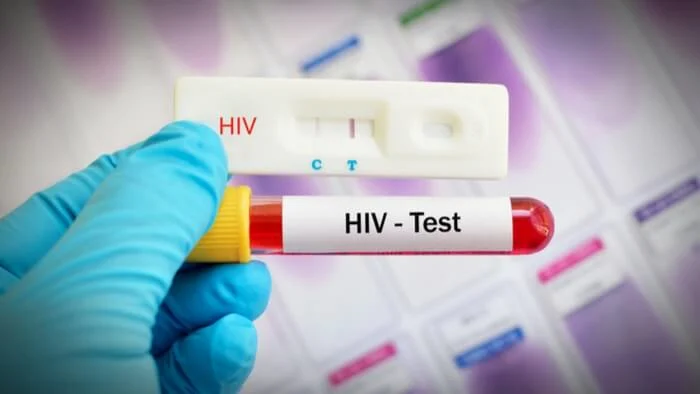
Pakistan’s federal health minister has directed authorities across the country to make HIV screening mandatory before any surgical procedure involving skin piercing or incisions, aiming to curb the spread of the virus through healthcare settings. The order, issued this week, comes as Pakistan continues battling a rapidly growing HIV epidemic linked in part to unsafe medical practices. With the directive drawing fresh public attention to hospital testing procedures, many patients are now asking practical questions: what blood tests are actually run before surgery, whether hospitals test for HIV automatically, what HIV symptoms look like, and how much an HIV test typically costs.
Background
Pakistan has recorded one of the fastest-growing HIV epidemics in the WHO Eastern Mediterranean Region over the past 15 years, with new infections rising sharply as reused syringes, weak infection-control protocols and unscreened blood transfusions have repeatedly been identified as major drivers of transmission, particularly among children. Recent outbreaks traced to government hospitals in Sindh and Punjab, where dozens of children were infected through contaminated medical equipment rather than through the risk factors typically associated with HIV, have intensified pressure on federal and provincial health authorities to tighten screening requirements across the healthcare system.
Details
Federal Health Minister Mustafa Kamal issued the new directive while chairing a meeting of the Joint Working Group on HIV/AIDS at the health ministry this week. He instructed health authorities in Balochistan, Khyber Pakhtunkhwa and Gilgit-Baltistan to formalise and issue the notifications required to enforce pre-surgical HIV screening in their regions. Officials at the meeting noted that Sindh, Punjab and the Islamabad Capital Territory have already implemented HIV screening ahead of procedures involving skin piercing, and the minister stressed the need to bring the remaining regions up to a uniform national standard.
The directive was not limited to surgical screening alone. The minister also called for special attention to children already living with HIV, saying their care needs to combine nutritional support, psychosocial care and welfare assistance alongside standard clinical treatment to improve long-term outcomes. He further directed that provincial healthcare commissions be invited to the ministry’s next meeting to review Infection Prevention and Control practices nationwide, and stressed that unsafe injections, weak infection-control protocols and gaps in blood safety must be addressed within a coordinated national framework rather than through isolated provincial measures.
What blood tests are done before surgery
Pre-surgical blood work generally goes well beyond a single HIV check. Most hospitals run what is known as a preoperative panel, which typically includes a complete blood count (CBC) to check red cells, white cells and platelets; blood typing and cross-matching in case a transfusion becomes necessary during the procedure; coagulation tests such as prothrombin time (PT) and activated partial thromboplastin time (APTT) to assess how well the blood clots; kidney and liver function tests; blood glucose levels; and, depending on the hospital and the nature of the surgery, screening for infectious diseases including HIV, hepatitis B and hepatitis C. The exact combination of tests ordered depends on the patient’s age, the type of surgery being performed, and whether the procedure is considered high-risk for significant blood loss.
Do hospitals automatically test for HIV, and do they test when they take blood?
This is one of the most common questions patients have, and the honest answer is that it depends on the country, the hospital, and the type of procedure. Routine blood draws for general check-ups do not automatically include an HIV test unless it has been specifically requested or is required as part of a defined screening protocol, such as the new pre-surgical requirement now being rolled out across Pakistan. For surgical procedures involving skin piercing or incisions, an increasing number of hospitals — now including those across most of Pakistan under the new directive — do include HIV screening as a standard part of preoperative testing, both to protect the patient and to allow surgical staff to take appropriate precautions. Blood donation centres and blood banks almost universally screen every unit of donated blood for HIV, hepatitis B, hepatitis C and syphilis before it is approved for transfusion, regardless of local hospital policy on surgical screening.
Do they test for HIV during pregnancy?
Yes, HIV testing is a standard part of routine antenatal care in most healthcare systems, typically offered to pregnant women during their first prenatal visit. Early detection during pregnancy is considered a public health priority because antiretroviral treatment, when started early and taken consistently, dramatically reduces the chance of a mother passing HIV to her baby during pregnancy, delivery or breastfeeding. In Pakistan specifically, however, public health data shows a significant treatment gap: only a small share of pregnant women who require antiretroviral therapy are currently receiving it, which is one of the reasons health officials have pushed to expand screening access more broadly across the healthcare system rather than leaving it dependent on individual hospital policy.
Signs of HIV in a CBC test
A complete blood count on its own cannot diagnose HIV, and it is not designed to. However, certain patterns on a CBC can sometimes prompt a doctor to investigate further. These include a low white blood cell count (leukopenia), particularly a drop in a specific type of white blood cell called CD4 T-lymphocytes, low platelet counts (thrombocytopenia), and mild anaemia. None of these findings are specific to HIV on their own, since they can also result from a wide range of other infections, medications, nutritional deficiencies or unrelated medical conditions. A dedicated HIV test — either an antibody test, an antigen/antibody combination test, or a nucleic acid test — is required to confirm or rule out an HIV diagnosis; a routine CBC is never used as a stand-alone diagnostic tool for the virus.
HIV symptoms, including symptoms in women
HIV symptoms vary considerably by stage of infection and by individual. In the first two to four weeks after exposure, many people experience what is known as acute retroviral syndrome, with flu-like symptoms such as fever, sore throat, fatigue, swollen lymph nodes, muscle aches and a skin rash. Some people experience no noticeable symptoms at all during this stage, which is part of why routine testing rather than symptom-watching is considered the more reliable approach to early detection. Following this acute phase, HIV typically enters a chronic stage that can last for years with few or no symptoms if left untreated, even as the virus continues to affect the immune system. Symptoms specific to women can include those shared with the general population as well as gynaecological signs such as recurrent vaginal yeast infections, pelvic inflammatory disease that does not respond well to standard treatment, and irregular menstrual cycles, though none of these signs are exclusive to HIV and can have many other causes. Left untreated over a long period, HIV can progress to AIDS, at which point the immune system becomes severely weakened and the body becomes vulnerable to opportunistic infections and certain cancers.
HIV test cost
The cost of HIV testing varies significantly depending on the country, the type of test, and whether it is accessed through a public health programme or a private facility. In Pakistan, HIV screening offered through government-run National AIDS Control Programme centres and public hospitals, including the pre-surgical screening now being expanded nationwide, is typically provided free of charge or at minimal cost as part of the country’s broader HIV prevention strategy. Private laboratories, by contrast, charge varying rates depending on the type of test ordered, with basic antibody tests generally priced lower than combination antigen/antibody tests or more advanced nucleic acid tests, which offer earlier detection but require more specialised laboratory equipment. Patients concerned about cost are generally encouraged to check with public health facilities first, since government screening programmes in most countries, including Pakistan’s expanding pre-surgical requirement, are designed specifically to remove cost as a barrier to testing.
Quotes
Health Minister Mustafa Kamal was direct about both the operational and human dimensions of the directive. He instructed provincial health authorities to formalise and enforce pre-surgical HIV screening in order to establish a uniform national standard rather than leaving the practice inconsistent across regions. He also emphasised that children living with HIV require care that combines clinical treatment with nutritional and psychosocial support, and stressed that unresolved gaps in unsafe injection practices, infection control and blood safety must be tackled within a coordinated national framework.
Impact
The directive is likely to have both immediate and longer-term effects on Pakistan’s healthcare system. In the short term, hospitals in Balochistan, Khyber Pakhtunkhwa and Gilgit-Baltistan will need to formalise new testing protocols and ensure adequate laboratory capacity to handle expanded pre-surgical screening, which could pose logistical challenges in areas with limited existing infrastructure. In the longer term, uniform pre-surgical HIV screening is intended to reduce the kind of healthcare-associated transmission that has repeatedly been documented in recent hospital-linked outbreaks, protecting both patients and medical staff. Beyond Pakistan’s borders, the country’s experience is being closely watched by regional health bodies given its position as one of the fastest-growing HIV epidemics in its region, with international health organisations continuing to press for improved blood safety and infection-control standards as part of the broader response.
Conclusion
With provincial authorities now expected to formalise pre-surgical HIV screening nationwide, attention will likely shift to how consistently the new requirement is implemented, particularly in regions with fewer existing laboratory resources. Balochistan, Khyber Pakhtunkhwa and Gilgit-Baltistan will need to build out testing capacity and trained laboratory staff in areas that, until now, have lacked a standardised pre-surgical screening protocol, and health officials will be watching closely to see whether these regions can match the pace already set by Sindh, Punjab and the Islamabad Capital Territory. The health ministry’s planned review of Infection Prevention and Control practices with provincial healthcare commissions is expected to shape further policy in the coming months, as officials continue working to address the unsafe injection practices and blood safety gaps identified as key drivers of Pakistan’s HIV epidemic. Beyond the immediate rollout, the directive is likely to feed into a longer conversation about how Pakistan modernises its broader healthcare infrastructure. Officials have repeatedly linked recent hospital-associated HIV outbreaks to reused syringes, unscreened blood transfusions and inconsistent infection-control practices rather than to the behavioural risk factors more commonly associated with HIV transmission elsewhere in the world, which means pre-surgical screening alone will not fully resolve the underlying systemic issues. Public health experts and civil society organisations have continued to call for stronger enforcement of the existing ban on reusable syringes, tighter regulation of private blood banks, and greater investment in diagnostic capacity at the district level, particularly in under-resourced areas where recent outbreaks among children have been most severe. Whether the new pre-surgical screening requirement translates into a measurable reduction in healthcare-associated transmission will likely depend on how well it is paired with these broader structural reforms, rather than being treated as a stand-alone fix.
For patients navigating the healthcare system in the meantime, the practical guidance remains straightforward: ask hospital staff directly what pre-operative tests are being run before any surgical procedure, request confirmation that donated blood has been screened before any transfusion, and use routine antenatal visits or voluntary counselling and testing centres to access HIV testing rather than waiting for symptoms to appear, since HIV can remain asymptomatic for years even as it continues to affect the immune system. As Pakistan works to bring pre-surgical HIV screening up to a uniform national standard, further updates from the health ministry and provincial healthcare commissions are expected in the coming weeks, and any changes to testing protocols or funding for expanded screening capacity are likely to be announced through the same Joint Working Group on HIV/AIDS that issued this week’s directive.
Frequently Asked Questions
How accurate is an HIV test after 2 weeks?
Testing accuracy after two weeks depends heavily on which type of test is used, since different tests detect different markers of infection at different points after exposure. Antibody-only tests typically take longer to detect infection reliably, often requiring three to twelve weeks after exposure before results become fully accurate, because the body needs time to develop detectable antibodies. Antigen/antibody combination tests, commonly used in many clinical and hospital settings, can detect infection somewhat earlier, often within two to six weeks, because they also look for a viral protein called p24 antigen that appears before antibodies do. Nucleic acid tests, which look directly for the virus itself rather than the body’s immune response to it, are generally the most sensitive in early infection and can sometimes detect HIV within seven to ten days of exposure, though they are less commonly used for routine screening due to cost and complexity. Anyone testing within this early window who receives a negative result but has had a potential exposure is generally advised to repeat testing after the recommended window has fully passed, since testing too early remains one of the most common reasons for a false-negative result.
Can a positive HIV test turn negative?
A confirmed positive HIV test does not turn negative on its own, since HIV is a chronic viral infection that persists in the body without a cure, though treatment can suppress it to undetectable levels. What can happen is that an initial screening test returns a positive or reactive result that is later found to be a false positive once a confirmatory test is performed, which is why standard medical practice always requires a second, more specific confirmatory test before an HIV diagnosis is finalised. False positives on initial screening tests can occur for a range of reasons, including certain autoimmune conditions, recent vaccinations, or technical laboratory factors, which is precisely why no single test result is treated as a final diagnosis without confirmation. Additionally, in people receiving effective antiretroviral treatment, viral load tests can show the virus at “undetectable” levels in the bloodstream, but this does not mean the person has tested HIV-negative or that the infection has cleared; it means the virus is being successfully controlled by medication and is present at levels too low for standard tests to measure.
Why is HIV testing important before surgery?
Pre-surgical HIV testing serves several practical purposes beyond simply informing the patient of their status. It allows surgical and medical staff to take appropriate infection-control precautions during procedures that involve exposure to blood, reducing the risk of transmission to healthcare workers through needle-stick injuries or other blood exposure incidents that can occur during surgery. It also allows doctors to plan a patient’s overall care more effectively, since a positive result may influence decisions around wound healing monitoring, medication interactions, or the need for coordinated care with an infectious disease specialist. On a wider public health level, mandatory pre-surgical screening — the exact measure now being expanded across Pakistan — is intended to catch previously undiagnosed cases in a healthcare setting where the patient is already receiving care, connecting them to treatment earlier and helping prevent further transmission through unscreened medical procedures, blood exposure, or onward transmission to partners.