Bilawal Bhutto’s warning over a New Sindh Province sparks debate about constitutional rights, provincial unity and political tensions
(By: Shahid Ghazali)
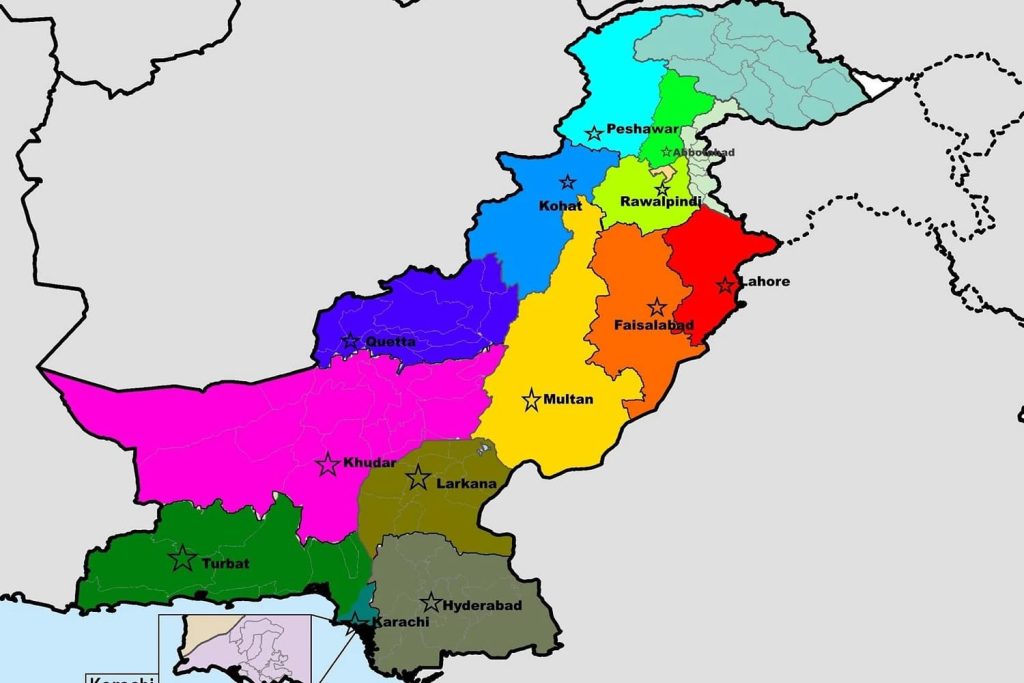
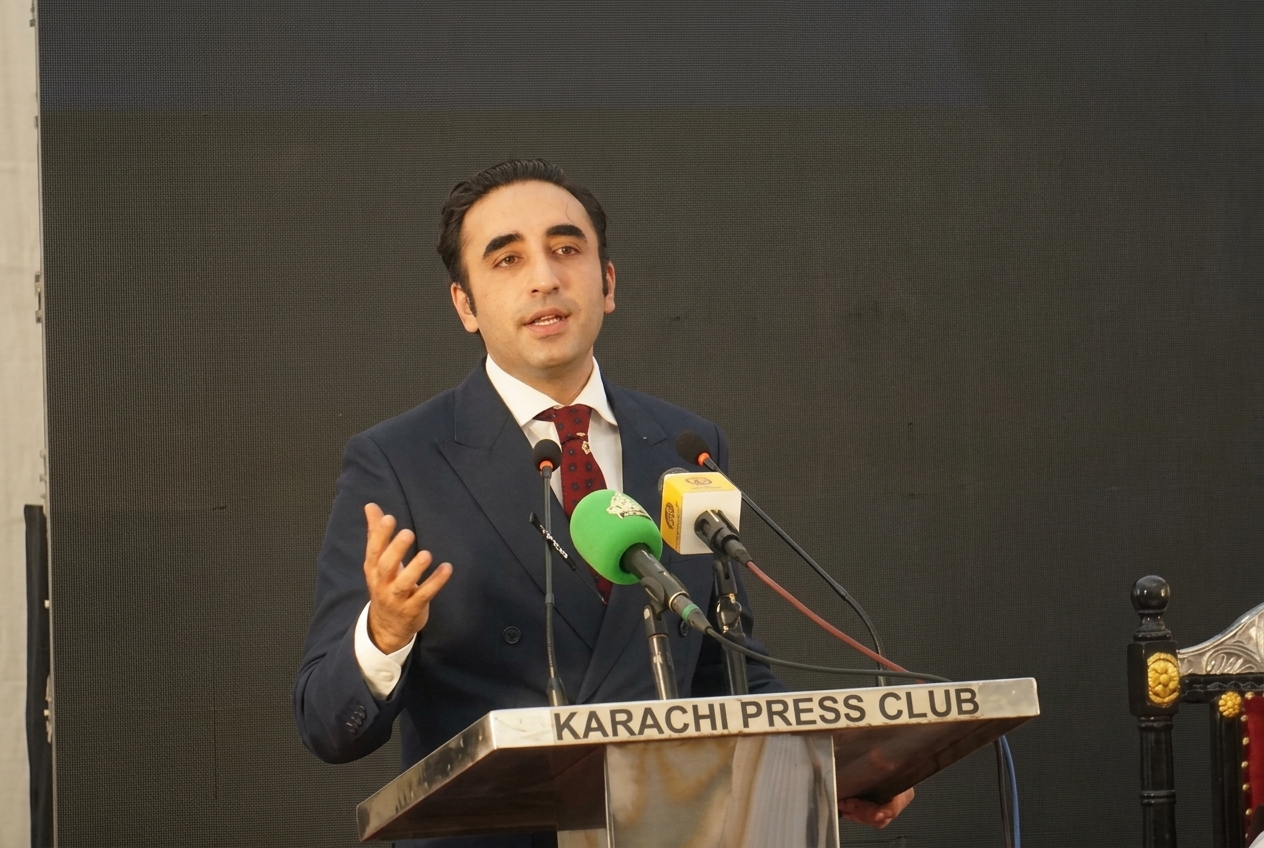
Pakistan Peoples Party (PPP) Chairman Bilawal Bhutto Zardari has triggered a fresh political debate after warning that the creation of a new province in Sindh could lead to significant bloodshed in Karachi. Speaking to journalists at the Karachi Press Club, Bilawal said that any attempt to divide Sindh would have serious consequences.
His remarks have drawn mixed reactions from political circles and the public. PPP leaders and supporters have described his position as a commitment to protecting Sindh’s unity and territorial integrity. Critics, however, have questioned the language used by the PPP chairman, viewing it as a warning to the government and influential institutions.
Bilawal’s address went beyond the question of creating a new province. He also acknowledged several controversial political decisions of the past, including his party’s support for constitutional amendments, the no-confidence motion against former prime minister Imran Khan, and the formation of the government following the 2024 general elections, which critics have associated with Form 47.
He also referred to alleged injustices against Imran Khan and criticised what he described as retaliatory actions against Maulana Fazlur Rehman. He advised the government to put its own house in order.
These remarks have raised questions about the PPP’s political position within the ruling coalition. If Bilawal is acknowledging mistakes in previous political decisions, will he also reconsider his party’s continued support for the government? Despite his criticism, he did not announce any decision to withdraw the PPP from the coalition.
A Controversial Warning Over Sindh’s Division
Bilawal’s statement that the creation of a new province could result in bloodshed in Karachi is particularly significant. In a democratic system, every political party has the right to oppose constitutional proposals and defend its political position. However, references to bloodshed in response to a possible constitutional development can heighten political tensions and create uncertainty.
Another notable part of his address was his reference to a possible “software update.” He suggested that even if his consent were obtained through pressure or coercion, it would not represent genuine agreement.
His remarks raise questions about the political pressure that some leaders have previously alleged they experienced. They may also be intended to reassure PPP supporters that the party will not compromise on its position regarding Sindh’s territorial integrity.
What Does the Constitution Say?
The debate must also be viewed in the context of Pakistan’s Constitution. Article 239(4) establishes a specific procedure for constitutional amendments affecting provincial boundaries.
Under this provision, a constitutional amendment seeking to alter the limits of a province requires approval by at least a two-thirds majority of the total membership of the concerned Provincial Assembly. The amendment must subsequently secure approval by a two-thirds majority in both Houses of Parliament.
This means that the creation of a new province cannot take place solely through the decision of an individual, political party or government. It requires the completion of the constitutional process and the necessary parliamentary support.
Democracy Requires Debate, Not Fear
The question of dividing Sindh is not simply a political slogan. It involves historical identity, cultural sentiments, administrative considerations and the interests of millions of people.
Those advocating a new administrative unit have the right to present their arguments, just as those opposing the proposal have the right to defend Sindh’s existing provincial boundaries. Both positions deserve consideration within the democratic and constitutional framework.
However, political disagreement should not be accompanied by language that raises fears of violence. Constitutional questions must be resolved through parliamentary debate, democratic consultation and peaceful political engagement.
Ultimately, an important question remains: Is the Constitution acceptable only when it serves a party’s political interests? Should constitutional powers be recognised when they benefit one political position but challenged when others seek to exercise them through the same constitutional framework?
Bilawal Bhutto must clarify that his position on Sindh’s territorial integrity is based on consistent political principles rather than temporary political considerations. The people of Sindh deserve clarity, democratic guarantees and constitutional supremacy.
The future of Sindh should be determined through peaceful political debate and constitutional procedures—not through fear, threats or predictions of bloodshed.