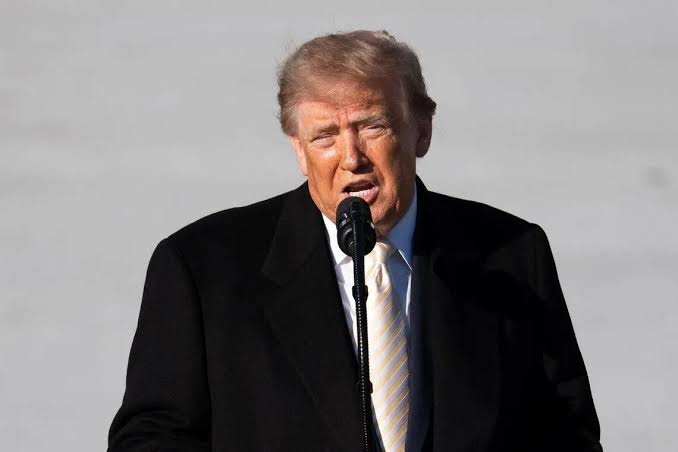
US President Donald Trump is continuing his aggressive trade strategy despite growing public dissatisfaction with tariffs and rising living costs. His administration has announced a new round of proposed import duties targeting 14 major trading partners, including China, Japan and the European Union. The announcement comes after significant Republican losses in the recent midterm elections, where economic concerns and inflation became major issues for American voters.
The latest decision demonstrates that Trump remains committed to using tariffs as an economic and political instrument. Rather than reducing trade restrictions following electoral setbacks, his administration appears determined to maintain pressure on international trading partners while encouraging domestic manufacturing.
Background: Why Tariffs Remain Central to Trump’s Economic Policy
Donald Trump has supported protectionist trade policies for decades. He argues that foreign imports can weaken American manufacturing, reduce employment opportunities and create unfair competition for domestic businesses.
His economic strategy focuses on encouraging companies to manufacture products within the United States instead of depending heavily on overseas production. Higher import duties are intended to make foreign goods more expensive and encourage businesses to establish factories on American soil.
However, economists and business representatives have repeatedly raised concerns about the consequences of this approach. Tariffs increase the cost of importing products, and businesses may transfer some of those additional expenses to consumers.
This creates a difficult situation for an economy already facing affordability concerns. While the administration presents tariffs as a long-term investment in American industry, households may experience higher prices before any potential manufacturing benefits become visible.
Details of the Latest US Tariff Announcement
The Trump administration has proposed another round of tariffs affecting goods from 14 major trading partners. China, Japan and the European Union are among the economies included in the latest measures.
According to Reuters reporting, proposed duties on selected imports could reach between 20 and 40 percent. Completed or pending trade agreements would generally limit applicable rates to between 10 and 20 percent.
The measures follow an eight-month review of international trading practices. They also revise an earlier tariff framework introduced in 2025 that was struck down by the US Supreme Court in February 2026.
US Trade Representative Jamieson Greer announced the measures shortly before Thanksgiving. Unlike Trump’s widely publicised tariff announcement in 2025, the latest development received relatively limited public attention from the president himself.
Financial markets nevertheless reacted to the announcement. The S&P 500 closed approximately 0.25 percent lower on Wednesday, reflecting some uncertainty among investors about the administration’s economic direction.
Political Pressure Has Not Changed Trump’s Position
The timing of the announcement is particularly significant because Republican candidates suffered major setbacks in the recent midterm elections.
Economic dissatisfaction was an important factor behind the election results. According to exit polling, approximately two-thirds of voters believed Trump’s tariff policies had negatively affected the national economy. Only 21 percent believed they had helped, while 12 percent reported no significant difference.
Despite these figures, Trump appears unwilling to abandon a central part of his economic agenda.
With Democrats set to control Congress during the final two years of his presidency, tariffs could become an increasingly important instrument for implementing economic policies without relying entirely on congressional approval.
The administration also views trade restrictions as a way to demonstrate presidential authority and maintain influence over international economic negotiations.
Rising Import Costs Create Concerns for American Consumers
One of the biggest concerns surrounding the latest tariff measures is their potential impact on household expenses.
When import duties increase, businesses must pay more to bring foreign products into the United States. Companies may absorb some additional costs, but many eventually pass them on to consumers through higher prices.
Electronics, clothing, household equipment, machinery and other imported products could become more expensive depending on the applicable tariff rates.
Yale University’s Budget Lab estimated that tariffs had increased annual household costs by approximately $900. For families already struggling with expensive housing, transportation and everyday necessities, additional costs could create further financial pressure.
The administration argues that stronger domestic production will eventually benefit American workers and businesses. However, the immediate impact on consumers remains a major concern.
Global Trade Relations Face Another Challenge
The latest decision could create additional pressure on America’s economic relationships with major international partners.
China, Japan and European countries maintain extensive commercial connections with the United States. Higher import duties could affect exporters, manufacturers, retailers and companies that depend on international supply chains.
China remains particularly important because its economic competition with Washington extends beyond ordinary trade disagreements. Technology, industrial production, investment and national security are also major parts of the relationship.
China’s recent decisions involving American agricultural imports demonstrate how tariff negotiations can influence international business. Pakistan Chronicle has also covered China’s Decision to Cut Tariffs on US Farm Goods While Excluding Soybeans, highlighting the continuing complexity of US-China trade relations.
Businesses may respond to further restrictions by changing suppliers, adjusting production locations or negotiating alternative trade arrangements.
Why Trump Considers Tariffs a Tool of Economic Power
Trump’s approach to tariffs is based on more than protecting domestic industries. He also considers import duties an effective negotiating instrument.
Higher tariffs can encourage foreign governments to reconsider trade agreements and offer concessions to American businesses. The administration also hopes that international companies will move more manufacturing operations to the United States.
Another important consideration is federal revenue. Import duties provide an additional source of government income, particularly following the administration’s tax legislation.
White House spokesman Matthew Middleton defended the policy, saying the administration would continue addressing what it considers unfair trade arrangements and working to lower costs.
However, critics argue that tariffs can undermine free trade and place an unnecessary financial burden on American households.
United Steelworkers International President Roxanne Brown welcomed the latest measures, describing the administration’s actions as long overdue. Republican Representative Don Bacon offered a contrasting position, calling tariffs a tax on American consumers.
These opposing reactions highlight the continuing political and economic debate surrounding protectionist policies.
What Trump’s Trade Strategy Means for Pakistan
Although the latest measures primarily concern American trade relationships, their consequences could extend to developing economies, including Pakistan.
The United States is an important export destination for Pakistani businesses, particularly textile and apparel manufacturers. Changes in American import duties could influence the competitiveness of Pakistani products and create uncertainty for exporters.
Pakistan must also monitor developments in regional trade competition, particularly as countries such as India and Bangladesh seek to strengthen their positions in international markets.
The changing relationship between Washington and Islamabad makes this issue even more important. Recent diplomatic engagement has highlighted opportunities for cooperation in trade, investment and technology partnerships.
Pakistan Chronicle previously examined these developments in its report on US Tariffs on Pakistan in 2026 and Their Impact on Trade.
Pakistan’s exporters will need to follow tariff developments carefully and assess how changing American policies could affect future orders, production costs and international business opportunities.
US-Pakistan Trade Relations and Investment Opportunities
Trade relations between Pakistan and the United States remain an important part of Islamabad’s international economic strategy. Both countries have opportunities to expand cooperation in textiles, agriculture, energy, technology and industrial investment.
Negotiations over tariffs are particularly important because American market access can influence the performance of Pakistani exporters. A predictable trade environment could help businesses plan production and attract additional investment.
Pakistan Chronicle has also reported on US-Pakistan Trade Deal Negotiations and Progress in 2026, providing further context about the economic relationship between the two countries.
Beyond traditional exports, American investment in Pakistan’s natural resources could create additional opportunities. Recent developments involving US Companies Exploring Investment Opportunities in Pakistan’s Critical Minerals Sector demonstrate the potential for cooperation in strategic industries.
Stronger economic engagement could help Pakistan diversify its investment sources while creating opportunities for American businesses.
International Economic Impact and Future Developments
The expansion of tariffs could influence global manufacturing, investment decisions and international supply chains.
When major economies introduce additional trade restrictions, companies may reconsider where they manufacture products and how they transport goods across borders. Such adjustments can increase operating costs and delay investment decisions.
The uncertainty may also encourage countries to strengthen commercial relationships with alternative trading partners.
Pakistan’s economic exposure to these developments deserves particular attention because exports remain important for foreign exchange earnings and industrial employment.
Another important consideration is the relationship between trade policy and financial markets. Investors generally prefer predictable regulations because sudden changes can affect business planning and long-term investment decisions.
The coming months will show whether Trump’s strategy can encourage domestic manufacturing without creating greater economic pressure on consumers and international businesses.
Conclusion
Donald Trump’s decision to expand tariffs despite public criticism demonstrates his continued commitment to protectionist economic policies. His administration believes import duties can strengthen American manufacturing, improve trade negotiations and generate additional government revenue.
However, the strategy also carries significant risks. Higher import costs could increase consumer prices, place pressure on businesses and create disagreements with important international partners.
For Pakistan and other developing economies, changes in American trade policy could influence export opportunities and international market competition.
The central question is whether the long-term benefits of Trump’s tariff strategy will outweigh its immediate economic costs. International governments, businesses and investors will closely monitor the next developments as Washington continues reshaping its global trade relationships.
Frequently Asked Questions
1. Why is Donald Trump increasing tariffs despite public opposition?
Donald Trump believes tariffs can protect American industries, encourage companies to manufacture products domestically and improve the country’s position in international trade negotiations. Although many voters are concerned about higher living costs, his administration considers import duties an important part of its long-term economic strategy. The president also views tariffs as a way to demonstrate political and economic influence.
2. Which countries are affected by Trump’s latest tariff announcement?
The latest announcement covers goods from 14 major trading partners, including China, Japan and the European Union. The proposed tariff rates vary according to the affected products and existing trade arrangements. Countries with completed or pending agreements could receive lower applicable rates, while other trading partners may face higher duties.
3. How could Trump tariffs affect American consumers?
Import duties increase the cost of bringing foreign products into the United States. Businesses may absorb some of these additional expenses, but others could increase retail prices to protect their profit margins. As a result, American consumers could face higher costs for electronics, clothing, machinery and household products, potentially adding to existing affordability concerns.
4. Could the latest US tariff policy affect Pakistan’s exports?
Yes, changes in American trade policy could influence Pakistani exporters, particularly textile and apparel manufacturers that depend on access to the US market. Tariff differences between Pakistan and competing countries may affect export competitiveness, business orders and production decisions. The actual impact will depend on the products covered and the trade arrangements applicable to Pakistan.
5. What could happen next in the international trade dispute?
The next phase will depend on negotiations between Washington and affected trading partners. Some countries may seek exemptions or revised trade agreements, while others could consider responding with their own restrictions. Businesses will also monitor the situation before making investment and manufacturing decisions. If tensions increase, international supply chains and global economic confidence could face additional pressure.