Nike is facing one of the most difficult periods in its modern history.
The world’s largest sportswear brand has lost sales, customers and market ground in recent years. The company now faces strong competition from fast-growing rivals.
Nike once changed the sportswear industry. It now faces the challenge of defending its position as an established global brand.
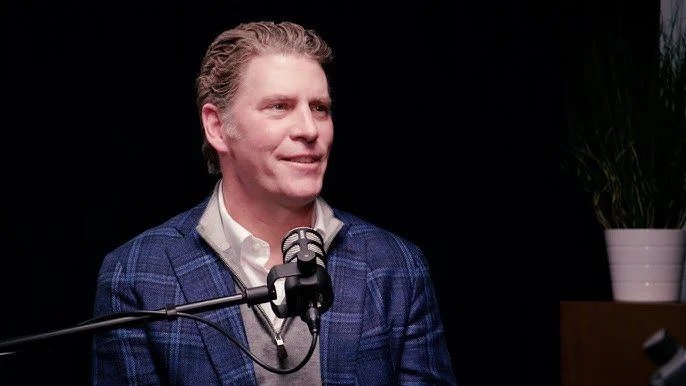
The company has started a major Nike Turnaround plan under Elliott Hill. The veteran Nike executive returned from retirement to lead the company.
Recent financial results have offered some signs of progress. However, the recovery remains slow.
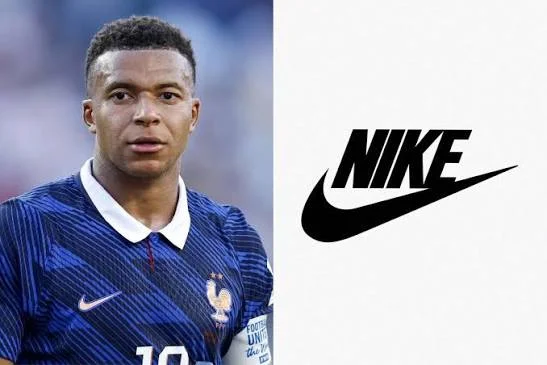
Nike also faces a new challenge after football star Kylian Mbappé left the brand. The Real Madrid striker ended his 20-year relationship with Nike and joined Swiss sportswear company On.
Mbappé’s departure raises questions about Nike’s ability to maintain its influence among elite athletes.
It could also affect the brand’s connection with millions of sports fans who follow those athletes.
Nike remains one of the world’s most recognizable sports brands. Millions of customers still wear its shoes and clothing.
However, the company has suffered a major decline in market value. Its share price has fallen sharply over the past five years.
The company was also removed from the S&P 100 index last month. The index includes some of the largest blue-chip companies in the United States.
Nike Turnaround Faces Competition and Strategic Problems
Nike’s current problems have developed over several years.
Industry analyst Matt Powell believes the company made several strategic mistakes. He said some of those decisions have proved difficult to reverse.
One major change involved Nike’s relationship with retailers.
Nike reduced its reliance on traditional retailers and focused more heavily on direct sales to customers. The strategy helped the company build its online business.
However, the shift also reduced the presence of Nike products in some retail stores.
Powell also pointed to Nike’s approach to limited-edition products. The company made some products more widely available.
That change affected the sense of exclusivity around certain Nike shoes.
When more customers could easily find the same products, some of the excitement around them declined.
Nike also invested heavily in digital operations during the period.
Critics argue that the company should have placed more focus on product innovation. They believe Nike lost some of its advantage in creating new and desirable products.
Powell compared the strategy to turning Nike into an online marketplace.
The criticism highlights one of the biggest challenges facing Hill. Nike must rebuild its product pipeline while also repairing relationships with retailers and customers.
The company has already started making changes under Hill’s leadership.
The new strategy aims to improve product innovation and restore momentum across key parts of the business.
Elliott Hill Pushes Nike Toward Recovery
Hill faces pressure to deliver a stronger recovery for Nike.
The executive has deep experience with the company. His return marked a major change in leadership after the tenure of former CEO John Donahoe.
Donahoe previously led Nike’s push toward direct-to-consumer sales. His background included leading eBay before joining Nike.
Hill must now address some of the problems created during that period.
The Nike Turnaround will require time. Rebuilding products, retail relationships and customer interest cannot happen overnight.
The loss of Mbappé adds another challenge.
The French football star has been closely associated with Nike for two decades. His move to On gives the Swiss company a major opportunity to increase its visibility in football.
Mbappé is one of the most recognizable players in world football. His decision could influence how fans view the growing On brand.
On has expanded rapidly in recent years. The company has built a strong reputation for running shoes and is now competing more directly with established sportswear companies.
Nike therefore faces pressure from both traditional rivals and newer brands.
The company’s global scale remains a major advantage. Nike has a huge customer base, strong distribution and one of the most recognizable logos in the world.
The challenge is to turn those strengths into renewed growth.
Hill’s strategy will likely depend on stronger products and closer relationships with retailers. Nike will also need to maintain its appeal among athletes and younger consumers.
The company’s recent results suggest that some parts of the recovery may be moving in the right direction.
However, the Nike Turnaround remains a long-term project.
Mbappé’s departure shows how competitive the sportswear market has become. Nike must now rebuild momentum while defending its position against both established competitors and ambitious new brands.