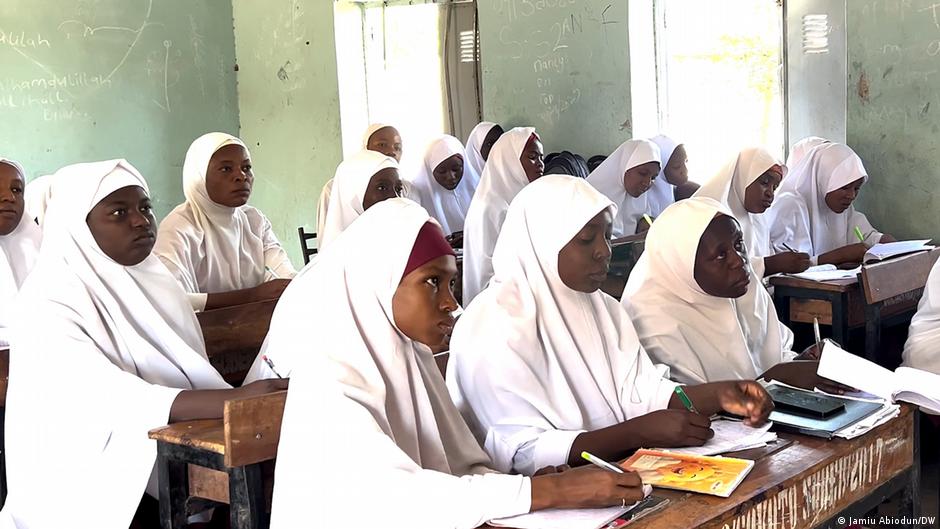
Nigeria women education has become one of the most important drivers of social and economic development in Africa’s most populous nation. Despite significant barriers such as poverty, cultural restrictions, and limited access to schools in some regions, millions of women are pursuing education and transforming their communities.
Education is helping Nigerian women gain employment, improve family health outcomes, participate in leadership roles, and contribute to national development. However, major challenges remain, particularly in rural areas where access to quality education is still limited.
Background
The discussion around Nigeria women education has evolved significantly over the past decade. Historically, educational opportunities for girls were often restricted due to cultural traditions, economic hardship, and early marriage practices.
According to educational experts, female education is one of the most effective tools for reducing poverty and improving living standards. Various government initiatives and international programs have focused on increasing school enrollment among girls and women across Nigeria.
The topic gained renewed attention following increased public discussions about women’s empowerment, workforce participation, and the importance of lifelong learning opportunities for adult women who previously missed formal education.
What Is Women Education?
Women education refers to the process of providing girls and women with equal access to learning opportunities, skills development, vocational training, and higher education.
It includes primary education, secondary education, university studies, technical training, and adult literacy programs. Women education aims to equip females with knowledge and skills that improve personal development, employment opportunities, and participation in society.
Experts argue that educating women creates positive outcomes not only for individuals but also for families and entire communities.
Current State of Nigeria Women Education
Nigeria has made progress in expanding educational opportunities for women. School enrollment rates among girls have improved in many urban centers, while universities are seeing increasing numbers of female students.
Women are pursuing careers in medicine, engineering, law, business, technology, and public administration. Educational institutions across the country continue to promote gender inclusion and academic participation.
However, significant disparities remain between urban and rural regions. In some areas, girls still face barriers such as transportation difficulties, financial constraints, security concerns, and social expectations that limit educational participation.
Educational analysts note that these challenges can contribute to lower literacy rates and reduced access to higher education for women in certain communities.
Economic Importance of Female Education
The economic benefits of Nigeria women education are substantial. Educated women are more likely to secure stable employment, start businesses, and contribute to household income.
Research consistently shows that higher education levels among women are linked to increased productivity and economic growth. Women with education often have greater financial independence and improved decision-making power within their families.
Employers across Nigeria increasingly seek skilled female professionals in sectors including healthcare, finance, technology, education, and entrepreneurship.
As the country’s economy continues to diversify, educational attainment among women is expected to play an increasingly important role in workforce development.
Social Impact on Families and Communities
Education influences nearly every aspect of family and community life. Women who receive education are often better equipped to make informed decisions regarding healthcare, nutrition, and child development.
Studies have shown that educated mothers are more likely to ensure their children attend school and receive necessary healthcare services. This creates a positive cycle that benefits future generations.
Community leaders also highlight the role of educated women in promoting social stability, civic participation, and local development initiatives.
In many Nigerian communities, women who have gained educational qualifications serve as role models for younger girls and encourage continued learning.
Challenges Facing Women’s Education in Nigeria
Despite progress, several obstacles continue to affect educational access for women.
Poverty
Financial hardship remains one of the most significant barriers. Some families struggle to cover tuition fees, transportation costs, uniforms, and educational materials.
Early Marriage
In certain regions, early marriage can interrupt educational pathways and reduce opportunities for girls to complete their studies.
Security Concerns
Security issues in some areas have occasionally disrupted educational activities and affected school attendance.
Infrastructure Gaps
Limited educational facilities, teacher shortages, and inadequate learning resources continue to impact learning outcomes in some communities.
Gender Stereotypes
Traditional attitudes regarding gender roles can sometimes discourage girls from pursuing higher education or professional careers.
Government and Community Responses
Federal and state authorities have introduced various policies aimed at improving access to education for girls and women.
Scholarship programs, literacy campaigns, teacher training initiatives, and school development projects have been implemented in different regions. Non-governmental organizations and community groups have also played important roles in supporting female education.
Many experts believe continued investment in educational infrastructure and targeted support programs will be essential for achieving long-term improvements.
10 Advantages of Female Education
- Improved literacy and knowledge.
- Better employment opportunities.
- Increased financial independence.
- Reduced poverty levels.
- Improved maternal health outcomes.
- Better child education and development.
- Greater participation in leadership roles.
- Stronger economic growth.
- Increased social awareness and civic engagement.
- Enhanced gender equality and empowerment.
Expert Perspectives
Education specialists argue that investing in women education delivers some of the highest social returns available to developing economies.Development researchers emphasize that female education contributes to healthier families, stronger labor markets, and improved governance outcomes.
Many educational advocates also stress the importance of adult learning programs that provide second-chance opportunities for women who were unable to complete their studies earlier in life.
Regional and Global Impact
The success of Nigeria women education extends beyond national borders. As Nigeria is Africa’s largest population center, improvements in female education can influence economic and social trends across the region.International organizations frequently cite girls’ education as a key factor in achieving sustainable development goals related to poverty reduction, health, and economic growth.Educational progress among Nigerian women is increasingly viewed as an important indicator of broader development across West Africa.
Conclusion
Nigeria women education continues to shape the country’s future by expanding opportunities, reducing inequality, and strengthening economic development. While significant challenges remain, ongoing efforts by governments, communities, educators, and families are creating new pathways for women to succeed.
The coming years will likely see continued focus on improving access, quality, and inclusion within the education system. For many Nigerian women, education remains one of the most powerful tools for achieving personal growth, economic security, and social progress.
FAQs
What kind of job can a lady do in Nigeria?
Women in Nigeria can pursue careers across virtually every sector of the economy. Common professions include teaching, healthcare, law, banking, engineering, journalism, technology, agriculture, public administration, entrepreneurship, and business management. Educational qualifications often expand employment opportunities and increase earning potential. Modern workplaces in Nigeria are increasingly promoting gender inclusion and professional development for women.
Are women free in Nigeria?
Women in Nigeria enjoy legal rights related to education, employment, property ownership, and political participation. However, experiences can vary depending on location, economic conditions, and cultural factors. Many organizations continue to advocate for greater gender equality and expanded opportunities for women across all sectors of society. Progress has been made, but challenges remain in achieving full equality.
How many wives can a Nigerian man marry?
The number of wives a Nigerian man may marry depends on the legal and religious framework under which the marriage takes place. Under customary and Islamic marriage systems, polygamous marriages may be permitted in accordance with applicable traditions and laws. Civil marriages registered under statutory law are generally monogamous. The legal situation can vary based on jurisdiction and personal circumstances.