

Simple Micropractices Could Help Improve Mood and Wellbeing
LONDON: People looking for simple ways to support their wellbeing may not need to commit large amounts of time to traditional self-care routines. Researchers and wellbeing experts are increasingly examining short activities that can be incorporated into everyday life.
These brief activities, sometimes referred to as “micropractices,” can take only a few moments and are designed to provide a quick mental or emotional reset.
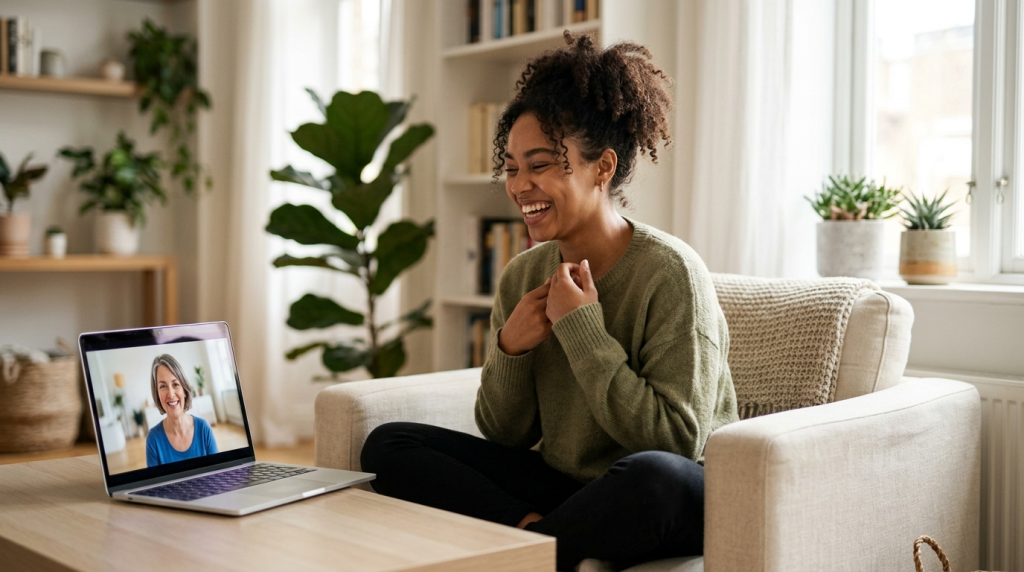
One example is laughter yoga, an activity that combines breathing exercises with deliberately produced laughter. During a session with researcher Natalie Van der Wal of Delft University of Technology in the Netherlands, a guided artificial laugh eventually became genuine laughter.
The approach illustrates how a short activity can potentially shift a person’s mood without requiring a lengthy exercise or meditation session.
Small Activities, Everyday Benefits
Wellbeing routines such as extended meditation, cold-water swimming and other popular self-care practices can require considerable time and preparation. However, emerging research suggests that some beneficial activities may be much shorter.
Researchers have been examining brief interventions that may influence mood, energy and general wellbeing. The idea is that small, manageable practices can be easier to fit into a busy daily schedule.
Author Eli Susman, who has written about the concept of micropractices, argues that some activities can take as little as 30 seconds.
These practices can include brief breathing exercises, moments of reflection, movement or other simple activities intended to provide a mental break.
Making Wellbeing More Accessible
The growing interest in micropractices reflects a broader shift toward making wellbeing activities easier to incorporate into everyday routines. Rather than treating self-care as a lengthy commitment, the approach focuses on small actions that people can repeat throughout the day.
While individual responses can vary and brief activities are not a replacement for professional support when someone is struggling significantly, simple practices may offer an accessible way to introduce short moments of relaxation, movement or positive engagement into daily life.