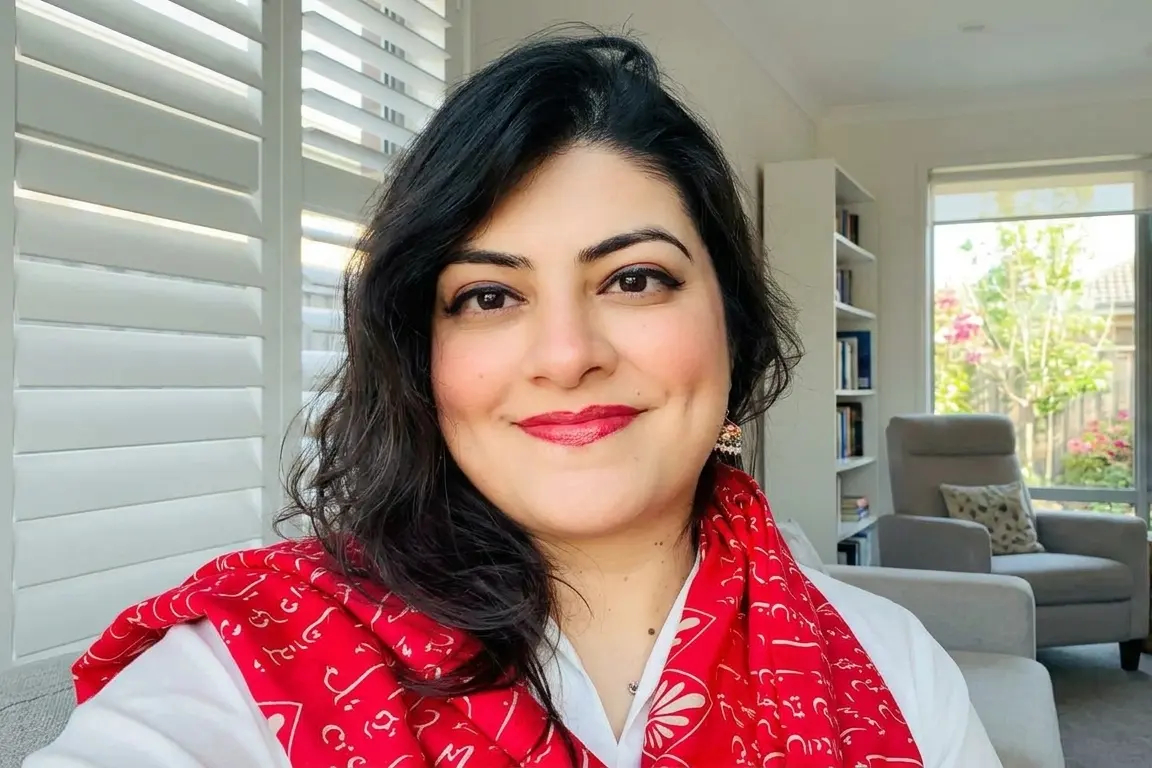
(By Dr. Hira Yousuf Khan, Consultant Medical Oncologist, Leeds Teaching Hospitals NHS Trust, United Kingdom, and Professor Ahmad Nadeem Abbasi, Radiation Oncologist, The Aga Khan University Hospital, Karachi)
Breast cancer awareness must extend beyond October and become a year-round national priority in Pakistan. Medical experts are urging families, communities and healthcare institutions to encourage early diagnosis, challenge social stigma and help women seek medical care without fear or embarrassment.
Every October, Breast Cancer Awareness Month brings pink campaigns, fundraising events and public messages encouraging women to recognise breast symptoms and seek help early. However, awareness remains a daily necessity, particularly in countries such as Pakistan, where barriers to timely diagnosis and treatment can have serious consequences.
Dr Hira Yousuf Khan, a consultant medical oncologist at Leeds Teaching Hospitals NHS Trust in the United Kingdom, describes how embarrassment and fear can prevent women from seeking medical attention.
In a case shared with her, a 21-year-old woman reportedly experienced breast bleeding for almost a year but concealed her symptoms because she feared embarrassment and misunderstanding.
By the time she reached Jinnah Hospital, her haemoglobin level had reportedly fallen to 38 grams per litre. Despite the medical team’s efforts, she died.
The case highlights the potentially devastating consequences of delayed medical care. However, the available account does not establish the precise cause of her death or confirm that breast cancer was responsible.

Breast Cancer Awareness Must Continue All Year
Women need accurate information about breast health throughout the year, not only during awareness campaigns. Families, schools, universities, workplaces and community organisations can help create an environment where women feel safe discussing symptoms and seeking medical advice.
Breast changes should never be dismissed because of age, embarrassment or fear of social judgement. A new lump, unusual nipple discharge, bleeding, changes in breast shape or skin, or persistent discomfort warrants medical assessment.
Although many breast symptoms have non-cancerous causes, only a qualified healthcare professional can assess the individual situation and recommend appropriate investigations.
Fear, misinformation and social stigma can discourage women from discussing intimate health concerns. Families and communities can help by responding with compassion rather than blame.
Healthcare professionals also play a crucial role. Accessible consultations, clear information and respectful treatment can encourage women to seek care earlier.
Dr Hira Yousuf Khan and Professor Ahmad Nadeem Abbasi emphasise the importance of making breast cancer education part of Pakistan’s wider public health priorities.
Building a Stronger National Response
A sustained response requires cooperation between healthcare institutions, government agencies, medical professionals, educators and community leaders. Public education should explain warning signs, the importance of timely assessment and the treatment options available.
Women should also have access to appropriate diagnostic services and specialist care, regardless of their financial circumstances or where they live.
Educating a woman can help her recognise symptoms, seek timely care and encourage others to do the same. Breast cancer awareness must become an ongoing national effort that replaces silence with knowledge, stigma with compassion and delayed care with timely medical attention.