Police Order Action Against IMEI Altering in Lahore
LAHORE: Police have been directed to launch a comprehensive crackdown on elements involved in altering IMEI numbers of stolen mobile phones. The order came directly from the city’s top police officer during a high-level meeting on street crime.
The move signals a fresh push against a trade that has let stolen handsets slip back into circulation for years, often untraceable once their identity numbers are changed.
Background: A City Grappling With Street Theft
Phone snatching and pickpocketing have remained a persistent complaint from residents across Lahore, particularly in crowded markets and on public transport. Officials have long pointed to the resale of stolen phones, enabled by IMEI tampering, as a key reason such crimes keep paying off for organised gangs.
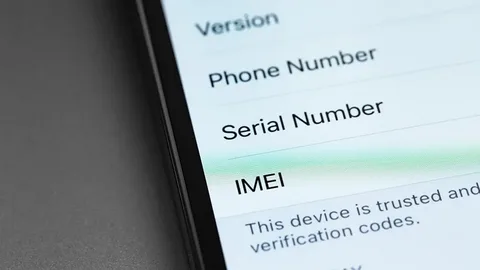
Each mobile device carries a unique fifteen-digit IMEI number that identifies it on cellular networks. When a phone is reported stolen, this number can be blacklisted, making the handset unusable. Altering that number lets a stolen phone bypass the block and return to the market as if it were never reported at all.
Details of the New Enforcement Drive
Capital City Police Officer (CCPO) Bilal Siddique Kamyana chaired a meeting to review measures for preventing theft across Lahore. The session focused on organised gangs behind mobile phone theft and on ways to sharpen surveillance at known crime hotspots.
Participants agreed on geofencing high-theft areas so that unusual movement or activity in these zones can be flagged more quickly. The plan also includes stronger use of human intelligence, wider deployment of technology, and plainclothes decoy operations designed to catch snatchers and pickpockets in the act.
Officers were told to increase patrolling at markets, public gatherings and busy transport routes, where phone theft is most common. Beyond street-level enforcement, police will trace the wider resale network by backtracking recovered phones to the shops and individuals who handled them.
Every mobile phone transaction will face closer scrutiny too. Dealers will be required to verify buyers’ and sellers’ identification documents and keep proper records, making it harder for stolen stock to move through legitimate-looking shops.
What Officials Are Saying
The CCPO directed officers to arrest those involved in pickpocketing and mobile phone theft and to pursue the networks profiting from IMEI tampering rather than only the street-level snatchers. Strict action was also ordered against anyone buying or selling stolen phones or their spare parts, a trade officials say sustains the entire theft cycle.
Impact on Residents and the Mobile Trade
For everyday phone users, tighter IMEI enforcement could mean stolen devices are harder to resell, which may reduce the incentive behind snatching in the first place. Legitimate mobile shops, meanwhile, are likely to face more paperwork and verification requirements when buying or selling used handsets.
The crackdown also puts pressure on the small but persistent network of technicians and shopkeepers who reprogram IMEI numbers using specialised software and hardware, an activity regulators have flagged as a repeated problem in cities beyond Lahore as well.
Conclusion: What Comes Next
With geofencing, decoy operations and dealer verification now on the table, police attention is shifting from isolated arrests toward dismantling the resale networks that keep phone theft profitable. Whether this translates into a lasting drop in snatching and IMEI fraud will depend on how consistently these measures are enforced in the weeks ahead. Citizens are advised to note their phone’s IMEI number and report theft promptly so devices can be blacklisted without delay.
Frequently Asked Questions
What is IMEI tampering?
IMEI tampering refers to illegally altering or reprogramming a mobile phone’s unique fifteen-digit identification number, known as the International Mobile Equipment Identity. This is typically done using specialised software or hardware tools so that a stolen or blacklisted phone appears to be a different, legitimate device on the network, allowing it to be used or resold without detection.
Is IMEI swapping illegal?
Yes, changing or swapping a phone’s original IMEI number without authorisation is treated as a criminal offence in Pakistan. Regulatory bodies maintain a zero-tolerance stance on the practice because it undermines theft-tracking systems, enables criminal anonymity and can facilitate further offences such as fraud and cybercrime.
Can IMEI be edited?
Technically, an IMEI number can be edited using certain software tools and reprogramming equipment, which is exactly why authorities are cracking down on it. However, doing so is illegal, and phones found with tampered or cloned IMEI numbers are routinely seized, with shop owners and operators facing arrest and prosecution.