International Court of Justice ruling marks a major legal development, recognizing evidence of genocidal intent during the 2017 military crackdown in northern Rakhine State
(By: Unzila Rasheed Sheikh)
The International Court of Justice (ICJ) has ruled that Myanmar committed genocide against its Rohingya minority, marking a historic development in international law. Judge Yuji Iwasawa delivered the verdict, stating that there was a reasonable inference that Myanmar’s security forces acted with genocidal intent and sought to destroy a substantial part of the Rohingya population in northern Rakhine State.
The 2017 Crackdown and the Court’s Findings
The 2017 military crackdown killed around 10,000 Rohingya and forced more than 700,000 people to flee to Bangladesh. The court found that Myanmar’s actions went far beyond its stated aim of responding to armed groups.
Security forces carried out widespread violence, while evidence was allegedly destroyed through the burning of bodies and bulldozing of sites. The authorities also failed to properly investigate or punish those responsible, including senior commanders.
Rohingya as a Substantial Protected Group
The judges determined that approximately 815,000 Rohingya living in the affected area before the military operations formed a substantial protected group. The community has a distinct language, culture and identity.
The court also considered policies restricting marriage and limiting couples to two children, along with reports of sexual violence during the crackdown. These measures were cited as evidence of efforts to undermine the community’s ability to reproduce.
Furthermore, hate speech portraying Rohingya people as sub-human helped create an environment that encouraged violence and destruction.
Reparations, Legal Impact and Rohingya Reaction
Under the ruling, Myanmar must provide reparations, although the amount will be determined at a later stage. The country must also submit a plan within two years.
The Gambia brought the case under the Genocide Convention, seeking accountability for the treatment of the Rohingya community.
The verdict could have wider implications for international law. It may help clarify how courts establish genocidal intent through circumstantial evidence, including mass displacement, attacks on civilians and policies targeting protected groups.
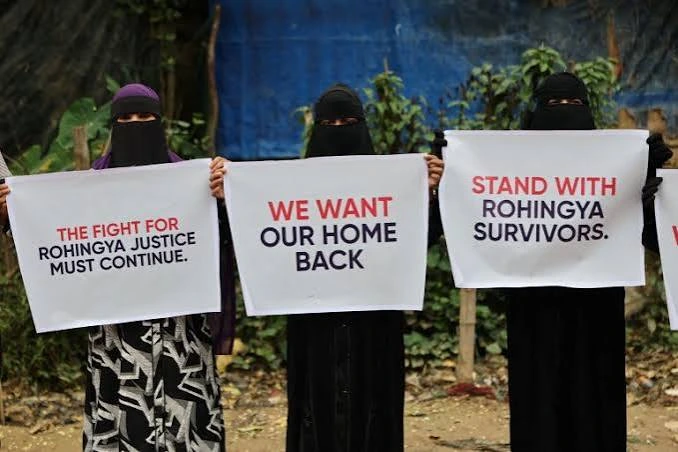
Rohingya representatives have expressed cautious optimism, describing the decision as an important acknowledgment of their community’s long suffering and demand for justice.