MICHIGAN: Health officials in Michigan have cleared consumers to resume buying lettuce after a major cyclospora outbreak, but concerns over food safety continue to affect shoppers, grocery stores and restaurants across the United States.
The outbreak, which has spread across 15 states, has had its biggest impact in Michigan. A US Food and Drug Administration investigation has linked the illnesses to iceberg lettuce supplied by Taylor Farms operations in central Mexico.
Although authorities have cleared consumers to purchase lettuce again, the wider outbreak has shaken confidence in fresh produce. Market research data showed that US unit sales of fresh lettuce fell 9% in the week ending July 18 compared with the previous week.
Cyclospora is a parasite that can cause gastrointestinal illness, including diarrhea, nausea and stomach discomfort.
At Sunrise Market in Au Gres, Michigan, owner Angie Bussinger said lettuce sales had not recovered despite the state’s clearance. She said customers remained cautious and predicted that concerns could continue for several weeks.
Bussinger said the anxiety had also affected sales of other fruits, including raspberries, blueberries and strawberries, as shoppers reacted to online rumors and uncertainty about which products were actually connected to the outbreak.
The impact has extended beyond grocery stores. Restaurant chains that rely heavily on fresh produce have also reported weaker customer demand. Sweetgreen, for example, recently lowered its annual comparable-sales forecast, citing consumer concerns linked to the cyclospora outbreak.
Demand Varies Across Markets
Consumer reactions have differed significantly between regions and stores. At Steve’s Country Market in Harrison, Michigan, sales of romaine and other lettuce varieties have remained relatively stable despite concerns about the outbreak.
In Wisconsin, supermarket chain Woodman’s Markets began offering discounts on Taylor Farms products after the outbreak emerged. Some shoppers have continued purchasing the discounted products rather than avoiding them altogether.
The mixed response highlights the uncertainty surrounding consumer behavior as shoppers try to distinguish between recalled or implicated products and other fresh produce.
Local Produce Gains Popularity
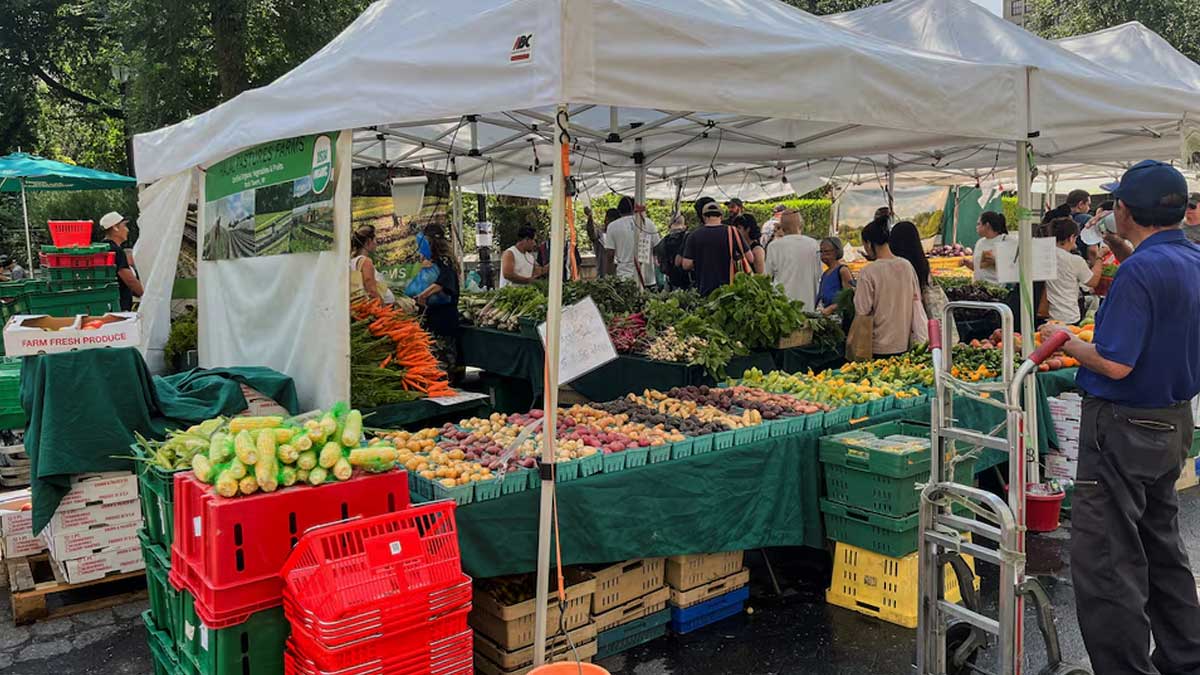
While concerns over commercially supplied produce have affected some retailers, farmers markets and locally grown produce vendors have reported stronger demand.
At New York City’s Union Square farmers market, shoppers were returning to leafy greens and other vegetables. Some vendors said customers appeared to be showing a greater preference for locally sourced food.
Darlene Wolnik of the Farmers Market Coalition said market managers had reported sales increases of 15% to 30% at some farmers markets as consumers became increasingly concerned about foodborne illnesses.
The outbreak has therefore created a broader challenge for the US fresh-produce industry. Even after health officials clear consumers to resume buying lettuce, rebuilding confidence may take time as shoppers remain cautious about the safety of fresh fruits and vegetables.