


Political tensions are once again rising in Azad Jammu and Kashmir (AJK) after the federal government claimed that most demands presented by the Joint Awami Action Committee (JAAC) have already been fulfilled. The statement comes as JAAC prepares for fresh protests, arguing that several key commitments remain unresolved.
The disagreement has emerged at a sensitive time, with elections approaching and political parties attempting to avoid further instability in the region. Officials insist that dialogue remains the best path forward, while protest organizers maintain that public pressure is necessary to secure complete implementation of agreed reforms.
Background
The current dispute traces its roots to widespread protests that swept across Azad Jammu and Kashmir in recent years. Demonstrators demanded relief from economic pressures, improvements in governance, and reforms aimed at addressing long-standing public grievances.
Following negotiations between government representatives and JAAC leaders, an agreement was signed in October 2025. The agreement contained dozens of demands covering economic, administrative, and political issues. Authorities pledged to implement the agreed measures while JAAC temporarily suspended its protest movement.
For several months, government officials reported progress on implementation. However, differences soon emerged regarding the pace and scope of reforms, leading to renewed tensions and fresh calls for demonstrations.
Government Claims Most Demands Have Been Met
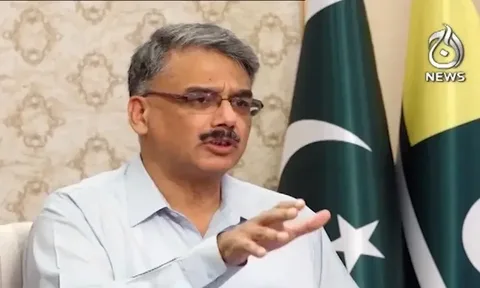
Federal Minister for Parliamentary Affairs Tariq Fazal Chaudhry recently stated that the majority of commitments made under the October 2025 agreement have already been implemented. According to government figures, 35 out of 38 agreed demands have been addressed through policy decisions, administrative actions, and development initiatives.
Officials argue that claims suggesting only a handful of demands were fulfilled are inaccurate. They say significant progress has been achieved in areas such as governance reforms, public services, and development planning. Government representatives also insist that several remaining demands require constitutional procedures or court decisions before they can be implemented.
Authorities have repeatedly emphasized that political disagreements should be resolved through dialogue rather than street protests. According to officials, discussions remain open for any unresolved issues.
JAAC Continues to Push for Remaining Reforms
Despite government assurances, JAAC leaders argue that some of the most important demands remain unresolved. They maintain that partial implementation does not satisfy the commitments made during negotiations and that public concerns continue to exist.
The committee has expressed frustration over delays involving constitutional and political reforms. Some demands involve representation issues, governance structures, and institutional changes that require broader political consensus.
Supporters of the movement argue that public demonstrations have historically been the primary tool through which citizens have secured reforms in the region. They believe continued pressure is necessary to ensure that promises are translated into practical outcomes.
Elections Add Political Sensitivity
The dispute comes as Azad Kashmir moves closer to important electoral processes. Political observers note that the timing of renewed protests has increased concerns among government officials and political parties.
Authorities have warned against actions that could disrupt public order during the election period. Officials argue that political competition should take place through democratic institutions rather than confrontational street movements.
At the same time, opposition voices insist that public accountability remains essential in any democratic system. They argue that election periods often provide the strongest opportunity for citizens to demand action from political leaders.
The combination of electoral politics and public protest has therefore created a highly sensitive environment across the region.
Key Issues Behind the Dispute
Several issues continue to shape the disagreement between JAAC and government authorities.One major concern involves the pace of implementation. Government officials point to completed projects and policy measures as evidence of progress. Protest organizers, however, focus on demands that remain unresolved.
Another area of contention relates to constitutional and political reforms. These matters often require legislative approval, legal review, or broader political agreement, making implementation more complex than administrative decisions.
Questions surrounding representation and governance have also become politically significant. These issues touch upon broader debates regarding the future direction of political institutions in Azad Kashmir.
Officials Call for Dialogue
Government representatives continue to emphasize negotiation as the preferred solution. Officials argue that constructive discussions can help resolve remaining disagreements while preserving stability in the region.
They warn that prolonged unrest could negatively affect governance, economic activity, and public confidence. Authorities also maintain that dialogue mechanisms established after the 2025 agreement remain available for resolving outstanding concerns.
Political leaders from several parties have similarly called for calm and urged all sides to engage through democratic channels rather than confrontation.
Impact on Azad Kashmir
The renewed tensions are being closely watched across Pakistan because of Azad Kashmir’s political and strategic importance.
Businesses and local communities often experience uncertainty during periods of political unrest. Demonstrations can disrupt transportation, commercial activity, and public services, creating economic challenges for residents.
Investors and development planners also monitor stability indicators when evaluating future projects. Prolonged uncertainty could affect economic planning and infrastructure development initiatives.
At the political level, the dispute highlights broader questions about governance, public participation, and institutional accountability in the region.
Regional and National Significance
Beyond local politics, developments in Azad Kashmir frequently attract national attention because of the region’s unique constitutional position and its connection to the wider Kashmir issue.
Political tensions in the territory are often viewed through both domestic and international lenses. Policymakers therefore face pressure to balance public demands with governance considerations and security concerns.
Analysts note that how authorities manage the current dispute could influence public trust in political institutions and future negotiations involving citizen groups.
Conclusion
The latest disagreement between the government and the Joint Awami Action Committee underscores the challenges of translating negotiated agreements into long-term political stability. While officials maintain that most commitments have already been fulfilled, protest organizers argue that several important reforms remain unfinished.
As elections approach, pressure is increasing on both sides to find a peaceful resolution. Whether through dialogue, further negotiations, or political compromise, the coming weeks are likely to play a significant role in shaping the future political landscape of Azad Jammu and Kashmir.
FAQs
Which district is richest in Kashmir?
There is no universally accepted ranking of the richest district in Kashmir because economic indicators vary. However, districts with stronger tourism, trade, and urban development often generate higher income levels. In Azad Kashmir, areas such as Muzaffarabad and Mirpur are frequently cited for their economic activity, overseas remittances, and business development.
Is Article 370 status still applicable?
No. Article 370 of the Indian Constitution was effectively revoked by the Indian government in August 2019. The move removed the special constitutional status previously granted to Jammu and Kashmir and reorganized the region into federally administered territories. The decision continues to remain a subject of political and legal debate.
Who opposed the removal of Article 370?
The removal of Article 370 was opposed by several political parties, Kashmiri political leaders, civil society groups, and international observers. Critics argued that the decision altered the constitutional relationship between Jammu and Kashmir and the Indian Union without sufficient local consultation. Supporters, meanwhile, described it as a step toward administrative integration and development.