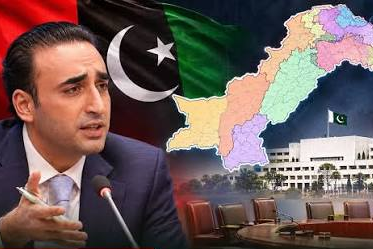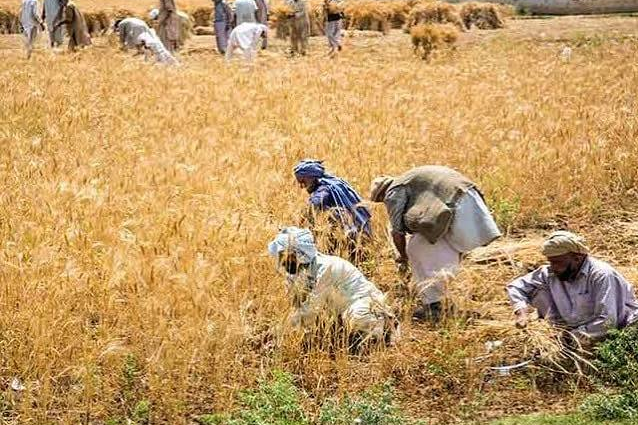
The Punjab Assembly witnessed a heated debate over the growing agricultural crisis as opposition and treasury lawmakers exchanged arguments about wheat prices, seed shortages and rising production costs. Farmers across the province are facing increasing financial pressure, with concerns growing over whether current agricultural policies are providing enough support to protect their livelihoods.
During Monday’s proceedings on November 23, opposition members questioned the government’s decision not to purchase wheat directly from farmers and raised concerns about the availability of affordable flour. Government representatives, however, defended their policies, highlighting financial assistance programmes, agricultural machinery distribution and measures intended to maintain food supplies.
Background: Why Punjab’s Agriculture Sector Is Under Pressure
Agriculture remains a major part of Punjab’s economy, providing employment and supporting millions of people in rural communities. Wheat is particularly important because it is a staple food across Pakistan, making its production and market prices a significant concern for both farmers and consumers.
Over recent months, growers have raised concerns about increasing fertiliser prices, expensive seeds, irrigation challenges and uncertain returns from their crops. Many farmers argue that selling their produce at prices that do not cover production expenses makes it difficult to continue farming profitably.
The situation has become more complicated as the new wheat sowing season progresses. Farmers need timely access to certified seeds, fertilisers and other essential agricultural supplies to achieve healthy crop yields.
Punjab Assembly Debate Focuses on Wheat Prices
The latest discussion in the Punjab Assembly brought attention to disagreements over the government’s wheat procurement strategy and its impact on farmers.
Leader of the Opposition Moeen Riaz Qureshi criticised the provincial administration for failing to provide what he described as a fair financial return to wheat growers. He argued that the absence of a guaranteed support mechanism had placed additional pressure on farmers.
Opposition MPA Waqas Maan also questioned the government’s agricultural decisions. He alleged that farmers had suffered losses of approximately Rs2,200 billion over the previous two years because of flawed policies.
According to Maan, farmers had previously sold wheat for between Rs1,800 and Rs2,200 per maund, while current market prices had increased to around Rs6,000 per maund. He also questioned the availability of officially priced flour in local markets.
These figures were presented as opposition claims during the Assembly debate and were not independently established in the proceedings.
Government Defends Its Wheat and Agriculture Policies
Responding to the criticism, Food Minister Salma Butt defended the government’s approach to wheat management and food supply.
She argued that previous administrations had also relied on wheat imports and maintained that the current government had imported significantly smaller quantities. She further stated that the retail price of a 10-kilogram flour bag had been maintained at Rs1,275 under the existing arrangements.
The minister also discussed the sugarcane crushing season, explaining that preparations had started following consultations with relevant stakeholders. According to her statement, 26 of Punjab’s 41 sugar mills had already begun crushing operations.
Agriculture Minister Ashiq Hussain Kirmani also rejected allegations of political favouritism and highlighted several initiatives introduced to support growers.
He told the Assembly that Rs480 billion in interest-free loans had been distributed among approximately 1.1 million farmers, including 500,000 first-time borrowers. He also highlighted the distribution of tractors and agricultural machinery as part of the province’s efforts to improve farming productivity.
Wheat Seed Shortages Raise Concerns Among Farmers
One of the most important issues discussed during the debate was the availability and affordability of certified wheat seeds.
Opposition members alleged that farmers were struggling to obtain quality seeds through official distribution channels. Some lawmakers also accused Punjab Seed Corporation officials of allowing seeds to be sold through unofficial markets at higher prices.
According to concerns raised in the Assembly, wheat seed bags were reportedly being sold for between Rs10,000 and Rs12,000, creating difficulties for small-scale farmers.
The timing of these complaints is particularly important because wheat cultivation depends heavily on completing sowing within the appropriate seasonal window. Delayed access to quality seeds can affect planting schedules and potentially reduce agricultural productivity.
For more information about current wheat cultivation preparations, readers can explore our report on Faisalabad’s wheat cultivation target for the 2026 season.
Sugarcane Crushing Delays Add to Agricultural Pressure
The debate was not limited to wheat. Opposition lawmakers also highlighted problems affecting sugarcane growers, particularly delays in crushing operations and uncertainty surrounding payments.
MPA Mian Ijaz Shafi criticised the handling of the sugarcane crushing schedule and warned that delays could reduce the area available for wheat cultivation. He estimated that between 700,000 and 800,000 acres could be affected if harvesting and crushing operations were not completed on time.
Food Minister Salma Butt responded that the government had already contacted sugar mills and taken steps to begin operations. She also stated that sugarcane prices were expected to reach approximately Rs450 per maund as the season progressed.
The relationship between the two crops makes this issue particularly important. Farmers who cultivate sugarcane need sufficient time to harvest their crop before preparing their land for wheat. Delays in one agricultural activity can therefore create difficulties for the next planting season.
Rising Agricultural Costs and Food Security Challenges
The debate reflects a wider challenge facing Pakistan’s agricultural economy. Farmers must manage increasing expenses while dealing with uncertain market prices and changing government policies.
Fertiliser, seeds, diesel, electricity and agricultural machinery all contribute to the cost of producing crops. When these expenses increase faster than the prices farmers receive for their produce, smaller agricultural businesses become especially vulnerable.
Food security is another important concern. Wheat production directly affects flour availability and household food expenses. Any disruption in cultivation, procurement or distribution can create pressure across the country’s food supply chain.
Pakistan’s agricultural challenges also include irrigation management, climate-related risks and the need for improved farming technology. Readers can learn more about these issues in our coverage of agricultural reforms and modernisation in Pakistan.
Impact on Farmers, Consumers and Pakistan’s Economy
The continuing agricultural debate has implications for several sections of society. Farmers are concerned about recovering their production expenses, while consumers are watching wheat and flour prices because these products are essential household purchases.
Small-scale growers could face additional difficulties if certified seeds remain expensive or unavailable during the sowing period. Similarly, uncertainty surrounding wheat prices may influence how much land farmers decide to cultivate in the coming season.
The situation also affects Pakistan’s broader economic stability. Lower domestic wheat production could increase pressure on imports, while higher food prices may contribute to household financial difficulties.
At the same time, government officials have highlighted agricultural loans, machinery distribution and fertiliser support as measures intended to improve productivity. The effectiveness of these programmes will depend on their accessibility and implementation across different farming communities.
What Happens Next in Punjab’s Agricultural Sector?
The latest Assembly debate has brought several agricultural concerns into the spotlight, but addressing them will require practical action beyond parliamentary discussions.
Improving the availability of certified wheat seeds, ensuring transparent market pricing and providing farmers with reliable information about procurement policies will be important priorities.
The provincial government will also need to monitor sugarcane crushing operations and ensure that growers receive payments within reasonable timeframes. Better coordination between agriculture departments, seed suppliers and local administrations could help prevent delays during critical farming periods.
The coming weeks will be important as farmers continue preparing their fields for the 2026-27 wheat season. Progress in seed distribution, fertiliser availability and cultivation targets will provide a clearer picture of the province’s agricultural performance.
Conclusion
The heated discussion in the Punjab Assembly highlights the growing challenges facing farmers as wheat prices, seed availability and agricultural production costs remain major concerns. Opposition lawmakers have questioned government policies, while ministers have defended their programmes and financial assistance initiatives.
The real challenge now is ensuring that announced measures translate into practical benefits for farmers. Affordable agricultural inputs, transparent market arrangements and timely government decisions will be essential for protecting rural livelihoods and maintaining food security.
Punjab’s agricultural future depends not only on government announcements but also on the conditions farmers experience in the fields. Effective coordination and consistent policies could help restore confidence among growers and support a more stable agricultural economy.
Frequently Asked Questions
1. Why did the Punjab Assembly hold a heated debate on the agricultural crisis?
The Punjab Assembly discussed the agricultural crisis following growing concerns about wheat prices, shortages of certified seeds, rising farming expenses and sugarcane crushing delays. Opposition lawmakers questioned the government’s support for farmers, while treasury members defended existing agricultural programmes and financial assistance measures. The discussion highlighted disagreements over how agricultural markets should be managed and how farmers can receive better returns.
2. What are the main problems currently facing wheat farmers in Punjab?
Wheat farmers are dealing with several challenges, including expensive seeds, fertiliser costs, uncertain market prices and concerns about government procurement arrangements. Some growers have also reported difficulties obtaining certified seeds during the sowing season. These problems can increase production expenses and affect farmers’ ability to achieve profitable harvests.
3. What did the Punjab government say about wheat prices and farmer support?
Food Minister Salma Butt defended the government’s wheat management policy and stated that the retail price of a 10-kilogram flour bag was being maintained at Rs1,275. Agriculture Minister Ashiq Hussain Kirmani also highlighted Rs480 billion in interest-free loans distributed among approximately 1.1 million farmers, alongside tractor and machinery distribution initiatives.
4. How could the agricultural crisis affect wheat production in Pakistan?
If farmers face delays in obtaining certified seeds, fertilisers and other essential inputs, wheat cultivation could become more difficult. Rising production costs may also discourage some growers from expanding cultivation. Since Punjab plays a major role in national wheat production, difficulties in the province could affect domestic supplies, food prices and Pakistan’s overall food security.
5. What steps could help improve the situation for farmers in Punjab?
Improving access to certified seeds, ensuring affordable fertilisers, providing timely agricultural loans and establishing transparent crop pricing arrangements could help farmers manage production expenses. Authorities also need to monitor sugarcane crushing operations and improve coordination between agricultural departments and local administrations. Consistent policies and effective implementation would help farmers make informed decisions and plan their crops with greater confidence.