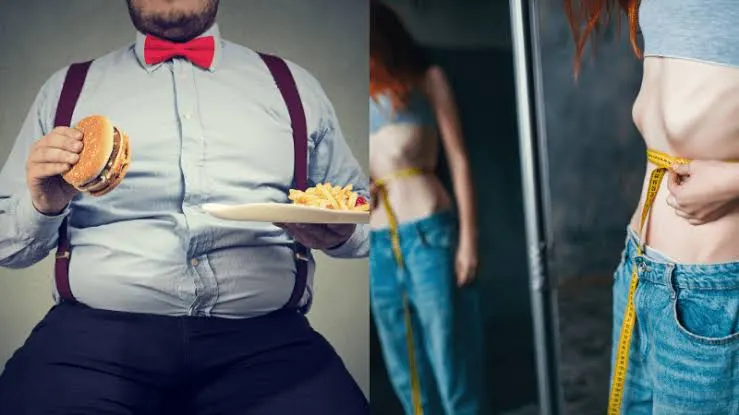
Too Little Body Fat can affect hormones, temperature control and other essential functions, experts warn.
Body fat often gets a bad reputation. Diet culture promotes ways to lose it. Some food products also focus on low-fat choices.
Social media has added to the pressure. Many fitness posts promote extremely lean bodies and encourage people to become “shredded.”
However, health experts warn that extreme fat loss can create serious health problems.
Too much body fat can increase the risk of obesity and other health conditions. But too little body fat can also harm the body.
Fat plays several important roles. It helps store energy and supports hormone production. It also helps regulate body temperature.
Elif Oral, an endocrinologist and professor of medicine at the University of Michigan, says body fat has important biological functions.
The growing interest in very thin bodies has raised new concerns among health experts. Some experts also believe weight-loss drugs may contribute to the renewed focus on extreme weight loss.
The key issue is balance. The body needs enough fat to perform essential functions.
Too Little Body Fat Can Affect Essential Functions
Body fat is different from dietary fat.
Dietary fat comes from the food we eat. Body fat stores energy that the body can use later.
When we eat food, the body breaks down carbohydrates, proteins and fats into smaller substances. The body uses these substances for energy and other functions.
When a person regularly consumes more energy than the body uses, fat cells store the extra nutrients.
These cells are called adipocytes. They store energy in the form of lipids.
For many years, scientists viewed body fat mainly as an energy store. Research now shows that fat tissue does much more.
Body fat acts as an active organ. It communicates with other parts of the body and helps regulate important biological processes.
This means the body needs a healthy level of fat.
Too little body fat can interfere with these processes. Extreme fat loss may affect hormone production and energy availability.
Fat also helps the body maintain its temperature. A very low level of body fat can reduce the body’s ability to protect itself from cold.
Body fat also provides an energy reserve. The body can use stored energy when food intake falls.
This function played an important role in human survival. Early humans often faced periods when food was not available.
Fat provided an energy source during those difficult periods.
Extreme Fat Loss Can Create Health Risks
The modern focus on extreme leanness can make people overlook these biological functions.
Social media can create unrealistic expectations about body shape. Fitness content often highlights highly defined muscles without showing the health risks that may come with maintaining extremely low body fat.
Some people may respond by severely restricting food or increasing exercise.
Such approaches can reduce body fat beyond healthy levels.
Experts stress that healthy body composition varies from person to person. Age, sex, genetics, activity levels and other factors can all affect the amount of body fat a person needs.
There is therefore no single body-fat level that is ideal for everyone.
The goal should not simply be to remove as much fat as possible.
Instead, maintaining adequate nutrition and supporting normal body functions should remain important goals.
Weight-loss medicines have also changed the conversation around body weight. These medicines can help some people manage obesity under medical supervision.
However, rapid or excessive weight loss can raise concerns when people focus only on achieving a very lean appearance.
Health decisions should take account of the whole body rather than focusing only on weight or appearance.
Body fat supports important biological functions. It stores energy, contributes to hormone regulation and helps protect the body from temperature changes.
The evidence therefore points to a simple principle: the body needs a healthy balance.
Reducing body fat can be beneficial when medically appropriate. But pursuing extreme fat loss without considering health can create problems.
Understanding the role of fat can help people move away from appearance-based goals and toward healthier, more sustainable choices.