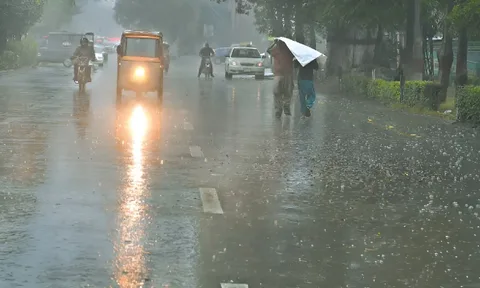
Heavy Rain in Punjab has intensified today and is expected to continue into tomorrow, prompting the Punjab Disaster Management Authority to issue fresh flood warnings for several districts. Officials have confirmed that the sixth monsoon spell of the season is bringing widespread downpours to Lahore, Rawalpindi, Gujranwala, Sialkot and surrounding areas. Authorities have urged residents to stay alert as low-lying neighborhoods face a genuine risk of urban flooding over the coming days.
Background
Punjab has been under continuous monsoon pressure since late June this year, with one wet spell following another across the province. The current spell, described by weather officials as the sixth of the season, began building from the evening of August 16 and is forecast to persist until August 21. This pattern fits a broader trend seen this monsoon season, where cloudbursts and sustained rainfall have repeatedly overwhelmed drainage systems in major urban centers. Punjab’s monsoon season typically runs from June through September, and this year has already proven unusually intense. Rain-related incidents since the start of the season have caused significant damage and loss of life across the country, with Punjab recording a considerable share of those casualties. Against that backdrop, the current spell of Heavy Rain in Punjab has drawn heightened attention from disaster management officials.
Details
According to the Provincial Disaster Management Authority, rain is expected across most districts of Punjab through this week. The list of affected areas is extensive and includes Rawalpindi, Murree, Galiyat, Jhelum, Chakwal, Talagang, Attock, Sialkot, Narowal, Mandi Bahauddin, Gujrat, Gujranwala, Hafizabad and Wazirabad. Officials say Lahore, Kasur, Okara, Sheikhupura, Nankana Sahib, Sargodha, Khushab, Mianwali and Noorpur Thal are also likely to receive substantial rainfall during this period. A second wave of showers is anticipated for southern and central districts on August 20 and 21, with Faisalabad, Jhang, Toba Tek Singh, Layyah, Bhakkar, Sahiwal, Pakpattan, Bahawalnagar, Bahawalpur and Dera Ghazi Khan all named in the forecast. The Pakistan Meteorological Department has separately confirmed that rain, wind and thundershower activity, including isolated heavy falls, is expected in Islamabad, the Pothohar region, northeast Punjab, Kashmir and upper Khyber Pakhtunkhwa. In the twin cities of Rawalpindi and Islamabad, the impact has already been visible. Streets have been inundated, homes affected, and rainfall readings have crossed 150mm in some localities. The Nullah Lai, a stream that runs through the twin cities and has a history of overflowing during monsoon season, reportedly swelled to around 20 feet, forcing authorities to order evacuations for residents living along its banks. Weather officials say the mountainous stretches of Murree and Galiyat face an additional risk of landslides during this spell, while low-lying rainwater drains in cities such as Lahore, Gujranwala, Gujrat and Sialkot could see flash flooding if rainfall intensity picks up further.
Quotes
The PDMA spokesperson said heavy rainfall expected between August 17 and 20 could trigger urban flooding in low-lying areas of Rawalpindi, Gujranwala, Gujrat, Sialkot and Lahore, and stressed that district administrations have been placed on high alert. PDMA Director General Saif Anwar Jappa has directed commissioners and deputy commissioners across Punjab to remain vigilant throughout the current spell. Following instructions from the Punjab chief minister, alerts have also been passed on to district administrations, with the health, irrigation, communications and works, local government and livestock departments all placed on standby. A journalist reporting from Punjab for an international outlet described the season so far as one where cloudbursts have brought large volumes of rain in short bursts, overwhelming drainage in the provincial capital and other major cities.
Impact
The regional impact of this ongoing spell of Heavy Rain in Punjab is considerable. Urban flooding disrupts daily life in densely populated cities, damaging property, slowing traffic, and in some cases cutting off access to essential services. Farmers in rural districts also face challenges, as excess rainfall can damage standing crops and delay harvest schedules in parts of the province. On a national level, this year’s monsoon season has already proven costly. Authorities have confirmed more than 100 deaths and hundreds of injuries linked to rain and flooding since the season began in June, with Khyber Pakhtunkhwa recording the highest toll followed closely by Punjab. Officials have also flagged that rivers including the Ravi are flowing at elevated levels, and are monitoring the situation closely to avoid escalation toward higher flood stages. Beyond the immediate physical damage, repeated flooding puts pressure on emergency services, disaster relief budgets, and city infrastructure that was not originally designed to handle this frequency of intense rainfall. Public health officials have also raised concerns about waterborne illnesses that tend to follow periods of prolonged urban flooding, particularly in neighborhoods where stagnant water lingers for days after the rain stops. Small businesses and daily-wage workers are often among the hardest hit during these spells. Shopkeepers in low-lying markets frequently report damaged stock, while transport workers and street vendors lose income on days when roads become impassable. Schools in some of the worst-affected districts have also had to suspend classes temporarily, adding disruption to an already difficult period for families managing repeated flooding year after year. The agricultural sector, which forms a major part of Punjab’s economy, is also closely watching this spell of Heavy Rain in Punjab. Standing crops such as rice and cotton can be damaged by waterlogging if fields remain flooded for extended periods, and farmers in low-lying rural areas often face the added burden of damaged access roads that delay the transport of produce to markets.
Conclusion
Weather officials expect the current spell of Heavy Rain in Punjab to continue through August 21, with the heaviest impact likely in the districts already named in official alerts. Residents in vulnerable and low-lying areas have been advised to avoid staying in weak or mud-built structures, since such housing has historically been linked to fatalities during monsoon flooding. Local administrations have been told to keep rescue teams, boats and heavy machinery on standby in case rainfall intensifies further over the next few days. Authorities say they will continue monitoring river levels and rainfall intensity over the coming days, and further advisories are expected if conditions worsen. The Ravi, Chenab and Jhelum rivers are all being tracked closely, since a sudden rise in any one of them could quickly change the scale of the response required. Irrigation and communication departments have also been placed on alert so that any embankment breaches or road damage can be addressed without delay. For now, the message from disaster management officials is consistent: stay alert, avoid unnecessary travel through flooded areas, and follow instructions issued by local administrations as this monsoon spell plays out across the province. Citizens living near nullahs, low-lying roads and older buildings are being asked to move to safer locations if water levels rise sharply, rather than waiting until conditions become dangerous. Parents have also been advised to keep children away from flooded streets and open drains, since strong currents can develop quickly even in areas that appear only mildly affected. Looking ahead, this spell of Heavy Rain in Punjab is expected to gradually taper off after August 21, though forecasters caution that another wet system could follow given how active this year’s monsoon season has been overall. Given the pattern of repeated spells since late June, residents and local authorities alike are being encouraged to treat each new alert seriously rather than assuming the worst has already passed. Continuous coordination between PDMA, PMD, and district administrations will remain central to reducing casualties and property damage as the season continues, and further updates are likely to follow as fresh weather systems develop over the region.
Frequently Asked Questions
In which city of Pakistan is there heavy rainfall?
Several cities across Pakistan are currently experiencing heavy rainfall, with Punjab being one of the worst affected provinces. Within Punjab, Rawalpindi, Lahore, Gujranwala, Gujrat and Sialkot have reported significant downpours and urban flooding in recent days. The twin cities of Rawalpindi and Islamabad have been particularly hard hit, with rainfall crossing 150mm in some areas and low-lying streets submerged in water. Murree and the surrounding hilly Galiyat region have also received heavy rain, which has raised concerns about possible landslides. Weather officials expect this pattern of heavy rainfall to continue in these cities for the next few days as the current monsoon spell moves through the region.
Does it rain a lot in Punjab?
Yes, Punjab receives substantial rainfall every year during the monsoon season, and this year has been especially intense. The province typically sees several distinct spells of monsoon rain between June and September, each bringing varying levels of intensity depending on weather systems moving in from the Arabian Sea and neighboring regions. This year, Punjab has already experienced multiple spells, with the current one being officially recorded as the sixth of the season. Cloudbursts have at times delivered hundreds of millimeters of rain within a short span, overwhelming drainage systems in major cities including the provincial capital. Because of this recurring pattern, disaster management authorities in Punjab remain on standby throughout the monsoon months to respond quickly to flooding and related emergencies.
Which month is rainy in Punjab?
Punjab’s rainy season, commonly known as the monsoon season, generally runs from June through September, with the heaviest and most frequent rainfall typically occurring in July and August. During these peak months, the province often experiences multiple back-to-back wet spells, sometimes accompanied by thunderstorms, gusty winds and occasional cloudbursts. This year’s pattern has followed that trend closely, with a series of monsoon spells affecting different parts of Punjab since late June and continuing well into August. While rainfall usually tapers off by the end of September, weather officials note that the exact timing and intensity can vary from year to year depending on broader regional weather systems.