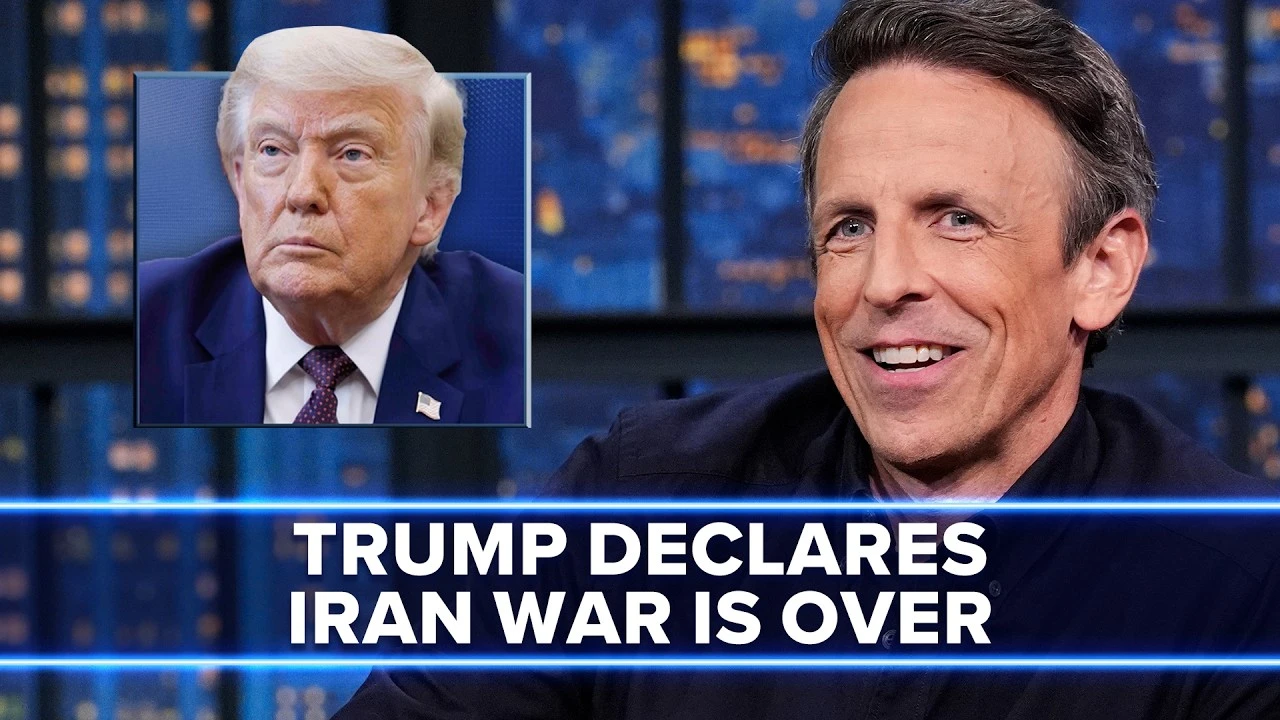
The 60-day deadline set under the Iran-US Memorandum of Understanding officially expired on Monday, with Washington and Tehran still deadlocked over control of the Strait of Hormuz. The Islamabad Memorandum, signed in June 2026 to end the Iran war, has failed to produce the permanent peace deal both sides once promised. Iran’s foreign ministry now insists no such deadline ever existed in the MOU text, deepening confusion over what was actually agreed.
Background
The Iran-US Memorandum of Understanding, formally known as the Islamabad Memorandum, was signed in mid-June 2026 to bring an end to the war between Iran, Israel, and the United States. Pakistan led the mediation effort, with Prime Minister Shehbaz Sharif, Field Marshal Asim Munir, and Deputy Prime Minister Ishaq Dar playing central roles, supported by Qatar, Saudi Arabia, Turkey, and Egypt. President Donald Trump signed the memorandum digitally at the Palace of Versailles following the G7 summit, while Iranian President Masoud Pezeshkian signed remotely from Tehran. The Iran-US Memorandum of Understanding was built around 14 articles, covering an immediate ceasefire, the reopening of the Strait of Hormuz, the lifting of the US naval blockade, and a 60-day window for nuclear negotiations. The Iran-US MOU declared the immediate and permanent termination of military operations on all fronts, including Lebanon, and committed both nations to refrain from further threats or use of force. It also set the stage for a binding UN Security Council resolution to endorse a final deal once negotiations concluded.
Details
Under the terms of the Iran-US Memorandum of Understanding, the United States agreed to begin removing its naval blockade against Iran immediately after signing, while Iran was expected to facilitate the reopening of the Strait of Hormuz. This waterway carries roughly a fifth of the world’s traded oil and gas, making it central to the entire agreement. The Iran memorandum of understanding also outlined a 60-day timeline for both countries to negotiate a final, permanent deal addressing Iran’s nuclear program. In return, the US offered sanctions relief that would allow Iran to sell oil during the negotiation period, along with broader economic incentives contingent on a completed nuclear agreement. However, implementation stalled almost immediately after the signing. Traffic through the Strait of Hormuz, which briefly rose after the interim deal, has fallen back to a fraction of pre-war levels. Neither the naval blockade removal nor detailed nuclear talks appear to have meaningfully progressed since June. As the 60-day mark passed on Monday, Iran’s foreign ministry publicly disputed that any binding deadline existed at all within the signed Iran MOU text. Tehran maintains that only a general 60-day window for talks was mentioned, not a strict cutoff date, and argues that the United States violated the agreement’s core terms shortly after signing.
Quotes
Iran’s foreign ministry spokesperson, Esmaeil Baghaei, addressed the dispute directly during a press briefing in Tehran. He stated there was “no such thing as a 60-day deadline” in the Islamabad Memorandum, adding that Iran “never formulates its policies under pressure, ultimatums or time constraints.” Baghaei further said that due to what he described as repeated violations of the June memorandum by Washington, formal negotiations were never properly initiated. He noted that Iran’s talks with Oman regarding the broader dispute are continuing separately. On the US side, President Trump signaled growing frustration over the stalled Strait of Hormuz negotiations, reportedly remarking that he might soon consider declaring the waterway a territory of the United States. Iran’s deputy foreign minister firmly rejected any such suggestion, countering that the strait “was Iran’s, is Iran’s, and will remain Iran’s.” Political economist Nader Itayim questioned the significance now being placed on the expired date, asking why observers were still treating the August 17 deadline as meaningful given how far apart both sides remain on implementation.
Impact
The stalled Iran-US Memorandum of Understanding carries significant regional and global consequences. The Strait of Hormuz remains the world’s most critical oil transit corridor, and continued disruption threatens to push global fuel and food prices higher the longer the standoff drags on. Inside Iran, the prolonged conflict and isolation have battered the domestic economy, with inflation rising sharply. Analysts warn that continued economic pressure could reignite anti-government protests similar to unrest seen earlier this year, which was met with a harsh crackdown. In the United States, the unresolved Iran MOU situation is becoming a political liability for the Trump administration. Rising energy costs tied to the ongoing standoff are undermining campaign promises to lower prices, giving Democratic opponents a key issue ahead of the November midterm elections, where control of the Senate is at stake. Globally, the failure to implement the Iran-US Memorandum of Understanding as originally outlined raises fresh doubts about the durability of Pakistan-brokered diplomacy and whether a binding UN Security Council resolution on a final deal remains realistic in the near term.
Conclusion
With the 60-day window now expired and both Washington and Tehran offering conflicting interpretations of the Iran memorandum of understanding, a near-term resolution appears unlikely. Iran continues separate discussions with Oman, while the US has given no indication of scaling back pressure over the Strait of Hormuz. Observers will be watching closely for any formal US or Iranian statement addressing the deadline’s expiry, as well as whether either side moves toward renewed direct talks. Until then, the fragile ceasefire established under the Islamabad Memorandum remains the only tangible outcome of months of diplomacy, with the promised permanent peace deal still out of reach.
FAQs
What does the Iran memorandum say?
The Iran memorandum of understanding, signed in June 2026 and mediated by Pakistan, declares an immediate and permanent end to military operations between the United States and Iran, including in Lebanon. It commits both countries to respect each other’s sovereignty and territorial integrity, calls for the US to lift its naval blockade, requires Iran to help reopen the Strait of Hormuz, and sets a 60-day window for negotiating a final nuclear deal backed eventually by a binding UN Security Council resolution.
What is Trump’s plan for Iran?
President Trump has pushed for the full reopening of the Strait of Hormuz without tolls, alongside sanctions relief tied to Iranian compliance with the memorandum. As talks stalled past the 60-day mark, Trump signaled a tougher stance, suggesting the US could move to assert control over the strait if Iran continues resisting the terms both sides agreed to at Versailles, though no formal policy shift has been officially announced.
Did Iran and the US make a deal?
Yes, Iran and the United States signed an interim Memorandum of Understanding, known as the Islamabad Memorandum, in June 2026 to halt active fighting. However, this was never a final peace treaty. It was a 14-article framework meant to lead to a permanent agreement within 60 days. That deadline has now expired without a final deal, as both countries dispute key implementation terms, particularly regarding the Strait of Hormuz.