

Rebuilding Trust Through Policing with Purpose
By Jahanzaib Tariq
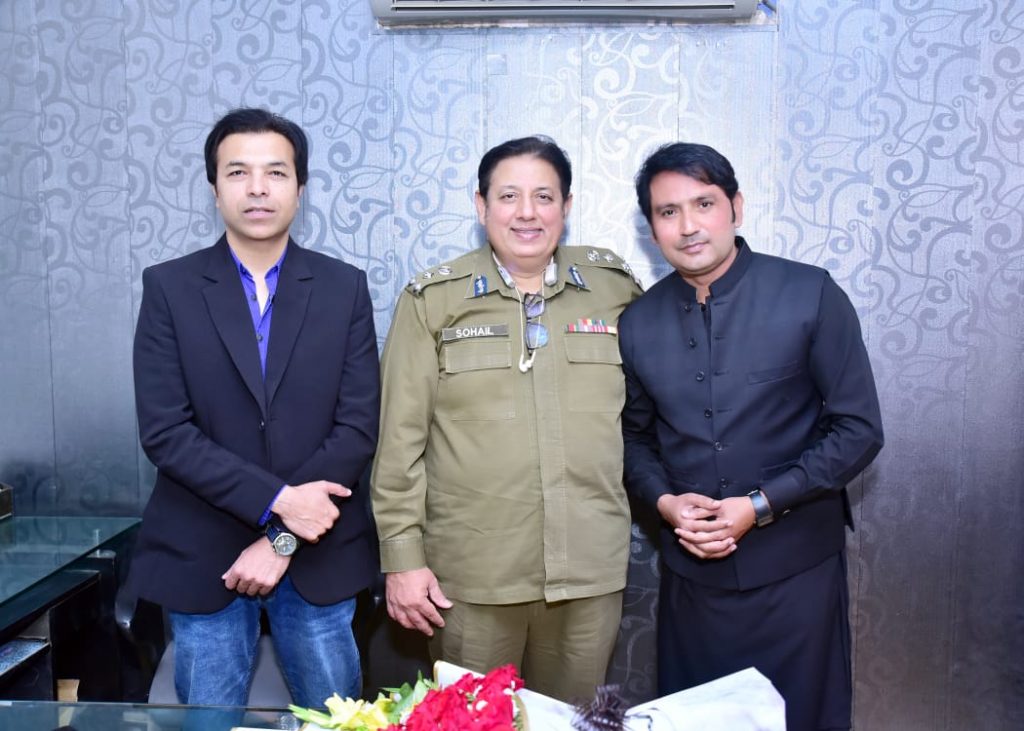
Sometimes, half of a person’s pain is eased simply by being heard. In Faisalabad, a quiet yet meaningful transformation is taking place under the leadership of Regional Police Officer Sohail Akhtar Sukhera.
His approach reflects a simple but powerful idea that accessibility, empathy and action can restore public trust in institutions.
By opening the doors of his office and encouraging people to share their concerns without hesitation, he has helped create an environment where citizens feel heard and respected.
What distinguishes Sohail Akhtar Sukhera is not only his administrative leadership but also his strong academic background.
As a highly learned individual with both national and international academic exposure, he brings a thoughtful and informed perspective to policing.
This blend of knowledge and field experience is visible in the way he approaches complex social and security challenges, focusing not only on enforcement but also on awareness, prevention and community engagement.
In recent months, his performance has also been reflected in operational outcomes.
Within a short span of around four months, more than 400 absconders have been apprehended, signaling a firm stance on law enforcement and accountability.
While statistics may vary in interpretation, the broader impact is clear—a visible reduction in crime and a growing public confidence in the system.
More importantly, people now believe that their concerns are not only being heard but also addressed with seriousness.
A key area of focus has been the protection and empowerment of women.
Recognizing the importance of awareness and engagement, Sohail Akhtar Sukhera has actively reached out to female students in universities, colleges and other educational institutions.
These interactions aim to build confidence among young women, educate them about their rights and create a bridge between the police and the community.
Such efforts contribute to improving the overall image of the police, making it more approachable and people-centric.
Another notable initiative has been his strong stance against narcotics.
In a bold and widely discussed move, he announced a reward of 25,000 rupees for anyone providing credible information about drug-related activities in the city.
This step not only demonstrated his commitment to tackling the issue but also encouraged public participation in identifying and eliminating the menace of drugs.
It sent a clear message that combating narcotics is a shared responsibility and that the police are willing to support and incentivize community involvement.
Beyond these initiatives, what stands out is his consistent demeanor—calm, approachable and solution-oriented.
Observers often note that he maintains a composed attitude, even while dealing with difficult situations, which helps in reducing tension and building trust.
His efforts are not limited to the public sphere alone; within the department as well, he strives to address internal challenges and improve overall efficiency.
It is evident that such progress is not an individual effort alone but a reflection of a coordinated team working under his leadership.
However, sustainable peace and order cannot rely solely on institutional efforts.
It requires the active participation of citizens.
Whether it is reporting illegal activities, discouraging harmful practices or simply adhering to the law, public cooperation is essential.
The progress being seen in Faisalabad highlights how collaboration between institutions and the community can lead to meaningful change.
The journey toward a safer and more peaceful city is ongoing.
While challenges remain, the direction appears promising.
The emphasis on listening, engaging and acting has begun to reshape perceptions and strengthen trust.
If this momentum continues, Faisalabad can further evolve into a city where not only law is enforced but also where citizens feel secure, valued and connected to the institutions that serve them.