

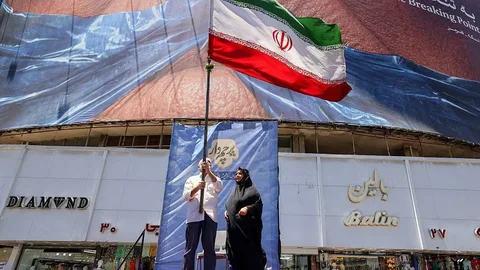

The US Iran war situation remains tense as the conflict enters day 91. Reports suggest that Washington and Tehran are discussing a possible 60-day agreement aimed at reducing military escalation in the region. Diplomatic talks are continuing while military activity and political pressure remain high.
International observers are closely monitoring the negotiations because the outcome could affect the wider Middle East. Several global leaders have called for calm and urged both sides to avoid further escalation. The ongoing Iran war live coverage has become one of the most discussed international topics.
Background of the Conflict
The current tensions between the United States and Iran increased after months of military confrontations and political disagreements. Issues linked to regional security, nuclear development, and attacks on strategic locations contributed to the worsening relationship.
The US-Israel war on Iran narrative has also gained attention in global media because of growing cooperation between Washington and Tel Aviv. Iranian officials have repeatedly criticized Western military involvement in the region. Meanwhile, US leaders argue that security operations are necessary to protect allies and shipping routes.
The Strait of Hormuz remains one of the key areas of concern. The route is important for global oil transportation, and any disruption could impact international energy markets. Several countries have increased naval monitoring in nearby waters.
Day 91 Developments in the US Iran War
On day 91 of the conflict, reports indicated progress in diplomatic communication between both sides. Sources close to negotiations suggested that discussions are focused on reducing military actions for at least 60 days.
Officials have not confirmed the full details of the proposal publicly. However, analysts believe the agreement may include reduced military operations, safer shipping access, and limited regional coordination. The goal appears to be preventing a larger regional war.
Iran war live reports also mentioned continued military preparedness by both sides despite ongoing negotiations. Security forces remain active across several strategic locations in the Middle East. Regional governments are also strengthening border security measures.
Diplomatic Efforts Continue
Diplomatic channels between Iran and the United States have remained active through intermediaries. Several international governments and organizations are reportedly encouraging both sides to continue dialogue.
Political analysts say the talks are delicate because trust between the two countries remains low. Previous agreements faced setbacks due to changing political conditions and disagreements over sanctions and military policies.
Experts believe the current discussions are focused on avoiding direct escalation rather than achieving a long-term peace settlement. Even a temporary agreement could help stabilize the region and reduce global economic uncertainty.
Regional Reactions to the Conflict
Middle Eastern countries are watching the US Iran war very carefully. Neighboring states fear that a larger conflict could damage trade routes, oil exports, and regional security. Several governments have issued statements supporting diplomatic solutions.
Countries dependent on energy imports are especially concerned about disruptions in oil transportation. Financial markets have also reacted to reports about possible escalation in the region. Oil prices showed fluctuations as investors monitored the Iran war live situation.
International organizations continue urging restraint. Humanitarian groups have also warned about the possible impact of prolonged instability on civilians across affected areas.
Military Activity and Security Concerns
Despite diplomatic discussions, military operations have not fully stopped. Reports suggest both sides continue maintaining defensive positions and surveillance activities. Regional air defense systems have also remained on high alert.
Security experts warn that even a small incident could damage negotiations. Tensions in sensitive areas remain high, especially near strategic shipping routes and military facilities.
The US-Israel war on Iran discussions have further increased public attention toward military alliances in the region. Analysts believe cooperation between allies will continue influencing future developments.
Global Economic Impact
The ongoing US Iran war has affected international markets, especially energy sectors. Oil prices have shown volatility because investors fear disruptions in the Strait of Hormuz. The route handles a significant percentage of global oil shipments.
Shipping companies have also increased security measures for vessels traveling near the Gulf region. Insurance costs for cargo transportation reportedly increased as tensions continued.
Economists say prolonged instability could affect inflation and trade worldwide. Countries already facing economic challenges may experience additional pressure if energy prices rise sharply.
Expert Analysis on the 60-Day Proposal
Foreign policy experts believe the proposed 60-day agreement could reduce immediate risks of a broader conflict. However, many analysts remain cautious because previous negotiations between the two countries collapsed under political pressure.
One regional affairs expert explained that both governments may currently prefer temporary stability instead of full confrontation. Another analyst noted that diplomatic success would require compromise from all parties involved.
Military observers also believe international pressure played a role in bringing both sides closer to talks. Several global powers are concerned that a larger war could destabilize the entire Middle East.
Media and Public Response
The Iran war live coverage continues attracting massive international attention. Social media platforms are filled with discussions, analysis videos, and political debates regarding the conflict.
In Iran, public opinion remains divided between support for national security policies and concerns about economic pressure. In the United States, political debates continue over military involvement and diplomatic strategies.
International audiences are also closely watching how the situation may affect global trade, travel, and energy prices. News coverage has focused heavily on diplomatic negotiations and military preparedness.
Humanitarian Concerns
Human rights organizations have warned about the humanitarian consequences of prolonged tensions. Aid groups fear that escalation could affect civilians across multiple countries in the region.
Experts say regional instability often leads to displacement, economic hardship, and disruptions in public services. International humanitarian agencies are monitoring developments closely.
Several organizations have called on all sides to prioritize civilian protection and avoid actions that could increase regional suffering. Diplomatic progress is being viewed as important not only politically but also for humanitarian stability.
Future Expectations
Political observers believe the coming days will be critical for negotiations. If both sides agree on temporary measures, regional tensions may reduce significantly. However, failure in talks could increase the risk of further escalation.
Analysts expect continued international involvement in mediation efforts. Global powers are likely to push for solutions that protect energy routes and prevent a wider conflict.
For now, the US Iran war remains one of the world’s most closely watched geopolitical crises. The outcome of current negotiations could shape Middle Eastern politics and international relations for years to come.
FAQs
Who was Iran at war with in 1991?
In 1991, Iran was not directly involved in the Gulf War. The conflict mainly involved Iraq and a US-led coalition after Iraq invaded Kuwait.
Is the Iran war over?
No, tensions linked to the current US Iran war and regional conflicts continue. Diplomatic talks are ongoing, but no final peace agreement has been announced.
Which day is the Iran war?
According to recent reports, the current conflict and tensions discussed internationally have entered day 91.