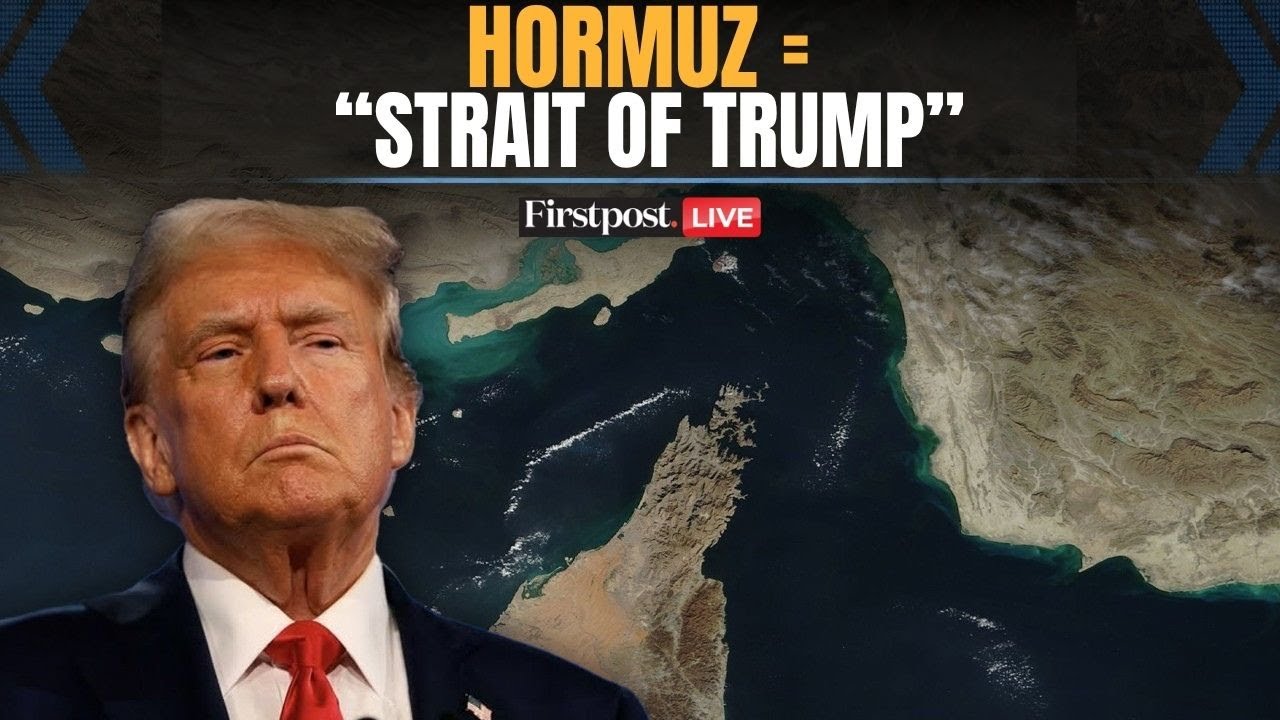
American and Iranian negotiators have reached a draft agreement that could reopen the Strait of Hormuz and end three months of devastating conflict but the deal still awaits approval from both President Donald Trump and Iran’s supreme leadership. The tentative memorandum of understanding proposes a 60-day ceasefire extension, during which the critical waterway would be gradually reopened and formal nuclear talks would begin. As of May 29, 2026, the world watches closely.
Background: How the Strait of Hormuz Crisis Began
The Strait of Hormuz is one of the most strategically vital waterways on the planet. Roughly 20 percent of the world’s seaborne oil trade and a significant share of global liquefied natural gas (LNG) pass through this narrow passage between Iran and Oman.
The current crisis traces back to February 28, 2026, when the United States and Israel launched coordinated airstrikes on Iranian military and government targets. The operation, codenamed “Epic Fury,” also resulted in the assassination of Supreme Leader Ali Khamenei. Iran retaliated swiftly closing the Strait of Hormuz to all foreign shipping, launching missile and drone strikes across the region, and bringing global energy markets to the edge of collapse.
Since then, the Strait of Hormuz has been the central flashpoint of what is now widely called the 2026 Iran War, drawing in Israel, Gulf Arab states, and international shipping firms.
Full Details: The Road to a Deal
The Ceasefire That Changed Everything
On April 8, 2026, Trump agreed to a two-week ceasefire with Iran just hours before his deadline for Tehran to reopen the Strait of Hormuz or face strikes on civilian infrastructure. Iran’s Foreign Minister Abbas Araghchi confirmed Tehran would accept the ceasefire terms if US and Israeli attacks were halted. Global oil markets reacted immediately; Brent crude dropped sharply below $100 a barrel, falling nearly 16 percent.
US Defense Secretary Pete Hegseth declared that the Strait of Hormuz was set to reopen, and commerce would flow again. However, the ceasefire proved fragile. Iran continued to harass vessels in the waterway, and the US responded with new strikes on Iranian boats and missile launch sites, even as diplomats worked behind the scenes.
Failed Talks and Renewed Hope
Initial peace talks held in Islamabad, Pakistan, in April failed to produce a lasting agreement. Trump later extended the ceasefire indefinitely, while maintaining a US naval blockade of Iranian ports. Both sides continued raising demands, and hostilities between Israel and Iran-backed Hezbollah in Lebanon escalated further, complicating the diplomatic picture.
By late May 2026, however, the tone shifted noticeably. Trump posted on social media that a deal covering the US, Iran, and “various other countries” was “largely negotiated” and would be announced soon. Iran’s foreign ministry confirmed a memorandum of understanding was being drafted as a first phase, to be followed by broader talks within 30 to 60 days.
The Tentative Deal: What’s Inside
According to US officials and reports from Axios and CNN, the draft agreement which has not yet received final approval from Trump or Iran’s supreme leader includes the following key elements:
- Strait of Hormuz reopening: The waterway would be fully reopened over 60 days, with Iran gradually loosening its grip.
- US blockade lifted: America’s naval blockade of Iranian ports would end under the terms of the memorandum.
- Nuclear talks begin: Sixty days of formal negotiations on Iran’s nuclear program would start immediately.
- Iran oil sales resume: Tehran would be permitted to freely sell oil on global markets during the negotiation window.
- Frozen assets: Iranian officials reportedly secured the release of roughly $12 billion in blocked assets as part of the MOU terms.
US Vice President JD Vance acknowledged that “a couple of language points” remain under discussion but said both sides are making real progress.
Quotes: What Officials Are Saying
President Donald Trump declared on social media: “An Agreement has been largely negotiated, subject to finalization between the United States of America, the Islamic Republic of Iran, and the various other Countries.”
Defense Secretary Pete Hegseth stated that he believes the ceasefire will hold, calling it “a necessary window for further diplomatic developments,” and confirmed that the Strait of Hormuz is now open and commerce will flow.
Iran’s Foreign Minister Abbas Araghchi said Iran agrees to the ceasefire terms, confirming that safe passage through the Strait of Hormuz would be coordinated with Iran’s Armed Forces with “due consideration of technical limitations.”
US Treasury Secretary Scott Bessent suggested there are “perhaps the makings of a deal here,” though he stopped short of confirming a signed agreement. He also warned Oman against supporting Iran in any effort to charge tolls for passage through the Strait of Hormuz.
Israel’s Role in the Conflict
While US-Iran deal talks dominate headlines on Fox News and international outlets, Israel’s actions continue to shape the crisis significantly. Israeli strikes on Lebanon have intensified in recent days, with the Israel Defense Forces (IDF) claiming strikes on more than 135 alleged Hezbollah targets within 24 hours. A coordinated Israeli strike also targeted a Hezbollah missile unit commander in Beirut the first such strike in the city in weeks.
Israeli Prime Minister Benjamin Netanyahu separately revealed that Israel now controls about 60 percent of Gaza, with a directive to push that figure to 70 percent. These developments add pressure to any broader regional peace deal, as the Lebanon front remains one of the key sticking points in the US-Iran negotiations. Iran has demanded that the conflict in Lebanon also be addressed before any final deal is signed.
Impact: What’s at Stake for the World
The Strait of Hormuz crisis has had severe ripple effects across the global economy.
Energy markets: Before the conflict, roughly 25 percent of the world’s seaborne oil trade passed through the Strait of Hormuz. Its closure triggered a sharp spike in oil prices and contributed to rising inflation in the United States and other import-dependent economies.
Shipping: Major shipping companies suspended operations in the strait. At least 17 merchant vessels were damaged, 7 were abandoned, 2 were captured, and 12 seafarers were killed or reported missing. Global trade routes were redirected around the Cape of Good Hope, adding weeks and millions of dollars to shipping costs.
Regional displacement: The broader 2026 Iran War has displaced millions of people across Iran, Lebanon, Israel, and Gulf Arab states, with thousands killed.
Diplomatic pressure: There is significant political pressure on the Trump administration to resolve the conflict before consequential US midterm elections. Fox News and other outlets have reported intensifying behind-the-scenes diplomacy, with Oman and Qatar serving as key mediators.
Conclusion: What Happens Next
The draft memorandum of understanding represents the closest the US and Iran have come to ending the Strait of Hormuz crisis since the war began in February 2026. But the deal is not done yet. Both Trump and Iranian leadership have rejected agreements at the final stage before and the fractured nature of the Iranian regime adds further uncertainty.
Key unresolved issues include Iran’s uranium stockpile, the future of frozen assets, and the conflict in Lebanon. Meanwhile, US strikes on Iranian targets continued even as talks progressed, with Iran firing a ballistic missile toward Kuwait as recently as May 28 intercepted by US forces.
If the agreement is finalized, it would reopen the Strait of Hormuz, ease the global oil crisis, and start a 60-day diplomatic clock on one of the world’s most sensitive nuclear programs. If it falls through, the risk of full-scale war resuming remains real. The next 48 to 72 hours are being watched by governments, markets, and millions of ordinary people who depend on the stability of this narrow, world-critical waterway.
Frequently Asked Questions (FAQs)
Which country owns the Strait of Hormuz?
No single country “owns” the Strait of Hormuz. The waterway is bordered by Iran to the north and Oman (along with the UAE) to the south. Under international maritime law, it qualifies as an international strait, meaning vessels from all nations have the right of transit passage. However, Iran controls a significant portion of the strait’s coastline, giving it substantial leverage to restrict or threaten shipping as it demonstrated dramatically in 2026.
Is the Strait of Hormuz open?
As of late May 2026, the Strait of Hormuz is partially open under a fragile ceasefire framework. Iran agreed in April 2026 to allow safe passage for a two-week period, and the ceasefire has been extended since then. However, the waterway has not returned to full normal operations. Iran has continued to harass vessels, and a US naval blockade of Iranian ports remains in effect. A new draft agreement currently awaiting Trump’s final approval proposes a full reopening over 60 days.
What is the deal between the US and Iran?
The proposed US-Iran deal is a memorandum of understanding that would extend the existing ceasefire for 60 days, during which the Strait of Hormuz would be fully reopened, the US naval blockade of Iranian ports would be lifted, Iran would be permitted to sell oil freely, and formal negotiations on Iran’s nuclear program would begin. Approximately $12 billion in previously frozen Iranian assets would also be released under the initial terms. As of May 29, 2026, the deal has been drafted by negotiators but has not been formally approved by either President Trump or Iran’s supreme leadership.