

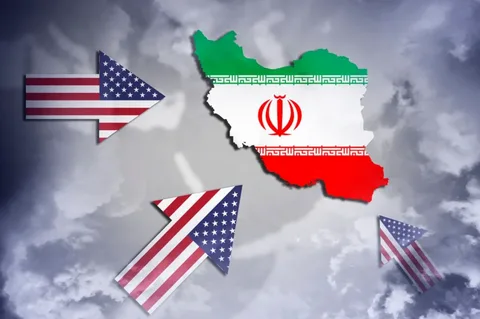

The story of US Iran Relations 1979 marks one of the most dramatic shifts in modern geopolitics. Once close allies, the United States and Iran became bitter adversaries after the events of 1979, shaping decades of conflict, mistrust, and strategic rivalry.
Before 1979: A Strong Alliance
Before the revolution, Iran was one of America’s closest partners in the Middle East. The U.S. supported Shah Mohammad Reza Pahlavi, who ruled Iran with strong Western backing.
This alliance was rooted in Cold War politics, energy interests, and regional stability. However, growing dissatisfaction within Iran over inequality, authoritarian rule, and foreign influence set the stage for major change.
The 1979 Iranian Revolution
The turning point in US Iran Relations 1979 came with the Iranian Revolution. Mass protests led to the overthrow of the Shah and the rise of a new Islamic government under Ayatollah Khomeini.
The new leadership strongly opposed Western influence, particularly the United States, which it viewed as responsible for supporting the previous regime.
As a result, diplomatic relations between the two countries rapidly deteriorated.
The Iran Hostage Crisis
Shortly after the revolution, tensions escalated further during the Iran hostage crisis.
In November 1979, Iranian students seized the U.S. embassy in Tehran and took 52 Americans hostage for 444 days.
This event had lasting consequences:
- The U.S. cut diplomatic ties with Iran
- Economic sanctions were imposed
- Public opinion turned sharply negative
Therefore, the hostage crisis became a defining moment in the u.s.-iran conflict history.
Decades of Conflict and Proxy Tensions
Since 1979, the two nations have not engaged in direct war, but tensions have remained high. Instead, conflict has often played out indirectly through regional dynamics.
Key features include:
- Iran supporting groups opposed to U.S. allies
- U.S. imposing economic sanctions on Iran
- Proxy conflicts in regions like Syria and Yemen
Moreover, disputes over Iran’s nuclear program have added another layer of tension, leading to international negotiations and periodic crises.
Role of Pakistan and Regional Diplomacy
In recent years, countries like Pakistan have played a mediating role in reducing tensions. Discussions related to us iran talks pakistan highlight Islamabad’s importance as a diplomatic bridge.
Recent developments show that Pakistan continues to facilitate dialogue, especially during periods of heightened conflict, reflecting its strategic position in regional politics.
Modern Developments and Ongoing Rivalry
Today, US Iran Relations 1979 continue to influence global geopolitics. Issues such as sanctions, regional conflicts, and military tensions remain unresolved.
Although occasional negotiations take place, deep mistrust persists on both sides. Consequently, the relationship is often described as a prolonged geopolitical rivalry rather than a conventional conflict.
FAQs
What did Iran do to the USA in 1979?
During the Iran hostage crisis, Iranian students seized the U.S. embassy and held American diplomats hostage for over a year.
How did US-Iran relations change after 1979?
After the Iranian Revolution, relations shifted from close alliance to hostility. Diplomatic ties were cut, and decades of conflict and sanctions followed.
What happened in Iran in 1979 and why?
In 1979, widespread protests led to the سقوط of the Shah and the establishment of an Islamic Republic. The revolution was driven by political repression, economic inequality, and opposition to Western influence.
Conclusion
The transformation of US Iran Relations 1979 from partnership to rivalry reshaped global politics. From الثورة and hostage crisis to decades of tension, the relationship remains complex and unresolved.
As diplomacy continues through intermediaries like Pakistan, the future of U.S.-Iran relations will depend on dialogue, compromise, and shifting geopolitical realities.