The United States is considering deploying up to 10,000 additional ground troops to the Middle East as the conflict with Iran intensifies. This massive military build-up signals that Washington is preparing for a possible ground operation on Iranian soil, even as fragile ceasefire talks continue. The US Iran war has entered a critical new phase in 2026, with global energy markets and regional stability hanging in the balance.
Background: How the US Iran War Started
The 2026 US Iran war began on February 28, when the United States and Israel launched coordinated airstrikes against Iran. The strikes killed Iran’s supreme leader and destroyed multiple military and government installations. It marked one of the most dramatic escalations in Middle East tensions in decades.
Iran responded swiftly. Tehran launched waves of missile and drone strikes against Israel, US military bases across the region, and US-allied nations. Most critically, Iran closed the Strait of Hormuz a vital waterway through which a large portion of the world’s oil supply flows triggering a global fuel crisis that continues to impact prices worldwide.
Is the US Sending Troops to the Middle East?
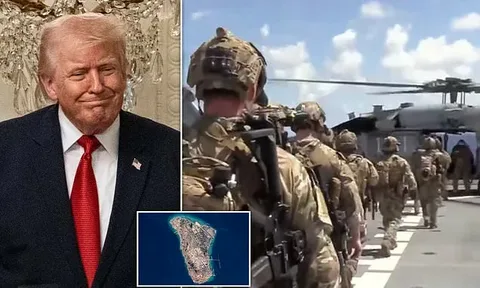
Yes and in significant numbers. The Pentagon is actively weighing the deployment of up to 10,000 additional ground troops to the Middle East, according to reports from the Wall Street Journal and confirmed by defense officials. This would be on top of the roughly 5,000 Marines already ordered to the region and thousands of paratroopers from the US Army’s 82nd Airborne Division already deployed.
The Okinawa-based 31st Marine Expeditionary Unit has already arrived in the Middle East aboard the USS Tripoli. One Marine expeditionary unit arrived in late March 2026, and another followed shortly after. Fighter jet squadrons and additional reinforcements continue to flow into the region as the US Iran war grinds on.
These 10,000 troops would likely consist of infantry and armored vehicles. Their possible mission includes a ground operation targeting Kharg Island the hub through which approximately 90 percent of Iran’s oil exports pass. Iran has fortified the island heavily and increased troop numbers there in anticipation of a potential US assault.
Details: The Full Military Picture
The US Iran war has seen an unprecedented build-up of American military power in the Persian Gulf. With over 50,000 US troops already in the region, Trump is considering adding another 10,000 to give himself more military options at the negotiating table or on the battlefield.
The UAE intercepted 15 ballistic missiles and 11 drones launched by Iran in a single attack wave, which killed three people and injured more than 160. A separate Iranian missile and drone strike on Prince Sultan Air Base in Saudi Arabia wounded 12 US service members. Two were reported in serious condition. At least one KC-135 air refueling aircraft caught fire during the Saudi base attack.
On April 13, 2026, after peace talks in Islamabad failed to produce results, the United States imposed a full naval blockade on Iran. The blockade applies to all ships entering and leaving Iranian ports. US officials claim the blockade is costing Iran approximately $500 million per day. Iran seized two cargo ships in retaliation, and 33 vessels have been intercepted by US forces as of the latest reports.
Ceasefire: Where Things Stand Now
On April 8, 2026, the US and Iran agreed to a two-week ceasefire brokered by Pakistan. However, the ceasefire immediately came under strain. Hours after the announcement, Israel launched its largest strike across Lebanon since the beginning of Operation Roaring Lion, hitting around 100 command centers and military infrastructure sites belonging to Hezbollah.
Trump separately announced a 10-day ceasefire between Israel and Hezbollah on April 16. Meanwhile, Iran tested ceasefire boundaries by reportedly charging fees to tankers passing through the Strait of Hormuz a move Trump called completely unacceptable.
As of May 24, 2026, the US and Iran are still negotiating a peace framework. A senior Trump administration official says the deal would give both sides 60 days to work out a longer-term agreement. Trump has warned that the US naval blockade on Iran will remain in full effect until a final deal is signed, and that he is not rushing into any agreement.
Quotes from Officials
President Donald Trump, speaking publicly, described the ceasefire as being on “massive life support” after Iran rejected a US proposal, stating the blockade will stay in place until a real deal is done.
White House Press Secretary Karoline Leavitt called reports of Iran closing the Strait of Hormuz following Israeli action “completely unacceptable,” adding: “The president’s expectation and demand is that the Strait of Hormuz is reopened immediately, quickly and safely.”
Germany’s Foreign Minister confirmed that the US and Iran have held indirect negotiations and that representatives planned to meet in Pakistan, signaling that diplomacy has not completely collapsed despite the breakdown of the Islamabad Talks.
Israeli Prime Minister Benjamin Netanyahu expressed support for Trump’s two-week ceasefire, but clarified it did not apply to Lebanon, meaning Israeli operations against Hezbollah would continue.
Global and Regional Impact of the Iran War News
The Iran war news has reverberated across the entire world, with consequences felt far beyond the Middle East battlefield.
Energy Markets: The closure of the Strait of Hormuz triggered a global fuel crisis. Oil and gas prices remain stubbornly high, and experts warn that even if a peace deal is reached, logistical challenges will keep prices elevated for months.
Global Trade: Seventeen merchant ships have been damaged in the Hormuz crisis, with seven abandoned. Two merchant ships have been captured, and 12 seafarers are confirmed killed or missing. The disruption to shipping routes has impacted global supply chains and trade.
Lebanon: The Iran war widened into Lebanon, with Israel conducting large-scale strikes against Hezbollah. The US has since pushed Israel to lower the temperature and participate in negotiations, hosting the highest-level Israel-Lebanon engagement since 1993 on April 14, 2026.
Pakistan’s Role: Pakistan has emerged as a key diplomatic mediator, facilitating the ceasefire agreement and hosting the Islamabad Talks though those talks ultimately failed to produce a lasting agreement.
Conclusion: What Happens Next?
The US Iran war is at a turning point. Peace talks are progressing, but slowly. Trump has made clear that military pressure will not ease until Iran agrees to terms acceptable to Washington including the permanent reopening of the Strait of Hormuz and addressing Iran’s nuclear program.
The decision on whether to send 10,000 more troops to the Middle East has not been finalized. Trump has reportedly not yet made a call, but sources say he is ready to escalate if diplomacy stalls further. A 60-day framework deal, if finalized in the coming days, could provide a path to de-escalation but significant obstacles remain.The world is watching as two major powers navigate the line between war and peace.
FAQs
Why has the US attacked Iran?
The United States, alongside Israel, launched airstrikes against Iran on February 28, 2026, targeting its military and government infrastructure, including killing Iran’s supreme leader. The attacks came after years of rising tensions over Iran’s nuclear program, its ballistic missile development, and its military presence across the wider Middle East region.
How much is a bottle of Coke in Ira
Due to Iran’s ongoing economic sanctions, currency collapse, and the additional economic pressure of the 2026 US naval blockade which officials say is costing Iran $500 million daily consumer prices inside Iran are highly unstable. A bottle of Coca-Cola in Iran has historically cost the equivalent of a few US cents due to the heavily devalued Iranian rial, but inflation and import restrictions have made such items increasingly scarce and expensive in local currency terms.
How many US troops were killed in Iran?
As of the latest available reports, no US troops have been reported killed inside Iran itself. However, 12 US service members were wounded in an Iranian missile and drone strike on Prince Sultan Air Base in Saudi Arabia, with two in serious condition. The war has involved attacks on US bases across the wider Middle East, but large-scale US military casualties have not been publicly confirmed.