

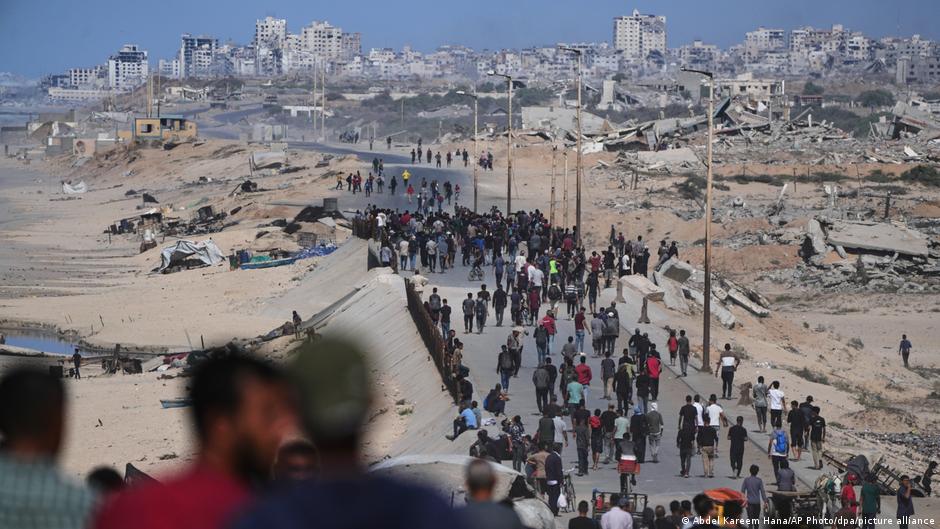

If you have typed “what is happening in Gaza today” into a search bar recently, you are far from alone. It remains one of the most searched questions on the planet, and the honest answer is that the situation continues to be both fragile and deeply painful. The current situation in Gaza includes overnight Israeli airstrikes, severe humanitarian shortages, ongoing hostage discussions, and renewed diplomatic efforts involving Egypt, Qatar, and other international mediators.
The latest Gaza news ceasefire today reports point to talks that are continuing but have not produced the breakthrough everyone is hoping for. Tensions between Israel and Hamas remain high, and for civilians in Gaza, that translates into displacement, limited access to aid, and the constant fear that things could get worse before they get better.
Background
To understand where things stand now, it helps to go back to where this current chapter began. The conflict between Israel and Hamas escalated dramatically after the October 2023 attacks, in which around 1,200 people were killed in Israel and a number of hostages were taken into Gaza. Israel responded with a major military operation aimed at dismantling Hamas’s infrastructure and fighting forces.
In the time since, Gaza has experienced devastation on a scale that is difficult to fully convey widespread destruction, enormous civilian casualties, mass displacement, and a humanitarian crisis that has only deepened with each passing month. Several ceasefire agreements have been announced along the way, but none has held in a way that has stopped the fighting entirely.
For people searching for “what is happening in Gaza simple explanation,” the question that keeps coming up is why violence continues even while ceasefire talks are happening. The honest answer, according to analysts, is that the core disagreements have never actually been resolved disputes over hostage releases, the disarmament of Hamas, the withdrawal of Israeli troops, and who controls Gaza’s borders remain the sticking points that keep derailing progress.
Details
The current situation in Gaza today includes another round of overnight Israeli strikes across different parts of the Gaza Strip. Reports from Reuters and regional media outlets indicate that several Palestinians were killed and injured in attacks targeting areas in Gaza City and Khan Younis. Israeli officials have said that some of these operations were aimed at militant positions and sites linked to Hamas.
For residents on the ground, the night brought the now-familiar sound of explosions as drones and fighter jets operated over densely populated neighborhoods. Hospitals and emergency teams, already stretched thin, continue to struggle with critical shortages of fuel, medicine, and basic medical equipment. Aid agencies are warning, with increasing urgency, that the humanitarian situation is deteriorating week by week not improving.
“What is happening in Gaza and Israel today live” is also tied closely to the ceasefire negotiations taking place in Cairo. Egyptian mediators, working alongside Qatar and other international partners, are trying to secure a broader agreement that would meaningfully reduce the violence and open up humanitarian aid delivery. But these discussions remain genuinely difficult, largely because Israel and Hamas continue to disagree on what long-term security arrangements should look like.
The Gaza news hostages issue continues to sit at the center of negotiations, and it carries enormous emotional weight. Families of Israeli hostages have been vocal in demanding that their government move faster to secure their release. Hamas, for its part, has tied hostage discussions to broader ceasefire conditions and prisoner exchanges which means progress on one issue is almost always contingent on progress on the others.
Meanwhile, Palestinians in Gaza continue living through displacement and deep uncertainty. Thousands of families remain in tents or partially destroyed buildings after months of conflict, with humanitarian groups reporting that food shortages, unsafe drinking water, and damaged infrastructure are affecting nearly every aspect of daily life.
Coverage from Gaza news BBC and other major international outlets has continued to focus heavily on the humanitarian dimension of the conflict, with growing concern among aid agencies about restricted access and continued military operations close to civilian areas.
Ceasefire Talks Continue
Gaza news ceasefire today remains centered on negotiations that are, at least in part, aimed at preventing this from spilling into a wider regional conflict. Talks in Egypt are reportedly addressing several major issues at once reopening border crossings, getting humanitarian aid moving, working through hostage exchanges, and figuring out what governance in Gaza looks like going forward.
Officials involved in the mediation effort describe some progress on individual issues, but the bigger disagreements over Hamas’s weapons, the scale and duration of Israeli military presence, and what long-term political arrangements will actually look like remain unresolved. Analysts are genuinely split on where this goes next. Diplomacy could still produce something meaningful, or talks could collapse and the situation could deteriorate quickly.
Even with a ceasefire technically in some form of effect, daily reports of strikes and military operations have continued to surface. International observers describe the truce as fragile and under increasing strain from both ongoing violence on the ground and the political tensions surrounding the negotiations themselves.
Humanitarian Crisis in Gaza
The humanitarian crisis is, by almost any measure, the most urgent dimension of this entire situation. Aid organizations and United Nations officials have been consistent in warning that civilians are facing severe hardship damaged infrastructure, overcrowded shelters, and humanitarian access that remains far too limited given the scale of the need.
Hospitals across Gaza are operating well beyond their capacity. Displaced families are struggling daily just to find food and clean water — needs that should be basic but have become genuinely difficult to meet. International agencies have repeatedly called for unrestricted humanitarian access and stronger protections for civilians, but those calls have not yet translated into the kind of access that aid organizations say is needed.
The broader instability has also raised concerns well beyond Gaza itself. Neighboring countries and the wider Middle East security picture are affected by what happens here, and that regional dimension is part of why diplomatic pressure from governments around the world continues to build.
International Reactions
World leaders have continued calling for restraint and a lasting ceasefire, though the gap between calling for something and achieving it has been a persistent theme throughout this conflict. United Nations Secretary-General António Guterres has urged all parties to stop the violence and allow humanitarian aid into Gaza a message that has been repeated many times by many voices without yet producing the change being asked for.
Public protests have continued across multiple countries, with demonstrators demanding an end to the war, stronger protections for civilians, and real progress on hostage negotiations. Human rights organizations remain closely engaged, monitoring developments and continuing to document the humanitarian impact on the ground.
Conclusion
What is happening in Gaza today reflects a conflict that remains as complex, painful, and unresolved as it has been at any point in recent memory. Ceasefire talks continue, but so does the violence. Humanitarian suffering continues, and so do the political disagreements that have repeatedly prevented a lasting resolution.
The coming weeks could go either way. Diplomacy could finally produce something durable, or the region could slide into another period of escalation. For now, people in Gaza and Israel are living with the uncertainty of not knowing which direction things will take and the rest of the world continues to watch, hoping for the former and bracing for the latter.
FAQs
Are females allowed to go to school in Palestine?
Yes. Girls and women have long participated in education across Palestine, including in both Gaza and the West Bank, at primary, secondary, and higher education levels, and female literacy rates in the region are relatively high compared to many of their neighbors. The ongoing conflict has, however, taken a severe toll on education in Gaza specifically — schools have been damaged or destroyed, families have been displaced repeatedly, and the security situation has made regular schooling impossible for many children for extended periods. International organizations continue working to find ways to support education access for children and young women affected by the war, though the scale of disruption has been enormous.
Is it safe in Palestine now?
Safety conditions vary significantly depending on where exactly you mean and when. Gaza remains extremely dangerous due to ongoing military operations, airstrikes, severely damaged infrastructure, and a humanitarian crisis that affects every aspect of daily life there. In parts of the West Bank, security incidents and rising tensions continue to occur as well, though the situation differs from area to area. International travel advisories from most governments continue to warn against travel to these areas given the active conflict. For the civilians who actually live there, the reality is one of ongoing uncertainty and genuinely difficult living conditions that show no sign of resolving quickly.
Who funds Hamas?
According to various governments, analysts, and international reports, Hamas’s funding comes from a mix of sources foreign allies, private donors, businesses, charitable organizations, and broader regional networks. Iran is frequently cited by multiple governments as providing both financial and military support to Hamas. Hamas has also generated revenue through economic activities it controls within Gaza itself. How Hamas is classified varies significantly by country some governments designate it as a terrorist organization outright, while others maintain political relationships with it, which reflects the deeply divided international views on the broader conflict it is part of.