US strikes on Iran have continued in recent days, even as President Donald Trump says a return to all out war is unlikely. A third American aircraft carrier has now reached the Middle East, while Tehran insists it will not bend on its demands to end the conflict. Diplomats say the next few weeks could decide whether the region moves toward a deal or back toward full scale fighting.
Background: How the Conflict Reached This Point
The current war began on 28 February 2026, when the United States and Israel launched a joint attack on Iranian targets. Trump announced the start of major combat operations, and Supreme Leader Ayatollah Ali Khamenei was killed in the opening strikes. His son, Mojtaba Khamenei, took over as the new supreme leader. The campaign has been described by US officials as Operation Epic Fury.
The two sides agreed to a two week ceasefire on 8 April, but it did not bring lasting calm. On 8 July the US struck Iran again after attacks on ships near the Strait of Hormuz, and Tehran retaliated. Since then, the waterway has remained the centre of the dispute, with Iran keeping it closed and Washington enforcing a naval blockade of Iranian ports.
The conflict also follows an earlier clash. In June 2025, Israel and Iran fought a 12 day war in which the US struck Iranian nuclear sites at Natanz, Fordow and Isfahan. Al Jazeera has noted that Iran has been attacked by Israel or the US while talks were under way in both 2025 and 2026, which is why many Iranians distrust negotiations.
Details: What Has Happened in November
The latest round of tension began on 2 November, when US officials confirmed a strike on Iran’s strategic Qeshm Island. The attack came just hours before the American midterm elections. Trump later said the US had carried out limited strikes on an Iranian air defence system near the Strait of Hormuz, which he described as minor. Washington has called several of these operations defensive.
Reports also say Israeli Prime Minister Benjamin Netanyahu pushed Trump in a weekend call to approve further strikes. At the same time, Trump has switched between threats and talk of a deal. He has said the US military has marked civilian infrastructure, including 38 bridges, as possible targets if the war restarts at scale.
On 9 November, after meeting Qatar’s prime minister at the White House, Trump said the war was quickly ending and that he would hold off on new strikes while staying ready to act. Iranian officials rejected that message as fake news. This week, the USS Roosevelt arrived in the region, the third carrier sent there, and nearly 7,000 more US troops have been deployed since the war began.
Quotes: What Leaders Are Saying
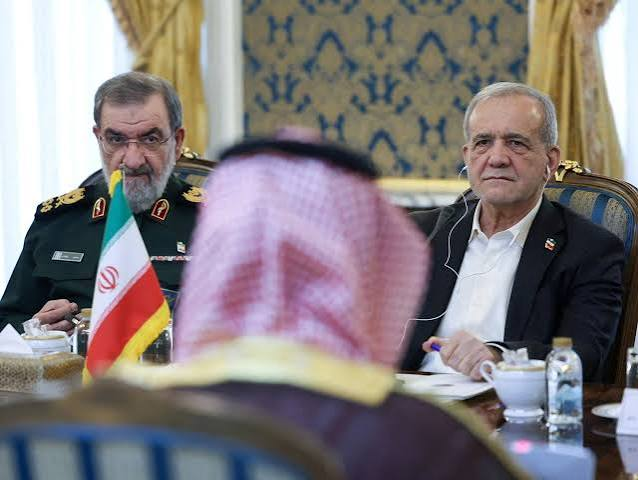
Trump has told reporters that a resumption of strikes is “quite unlikely” and has described the military side of the war as effectively over. His comments came after what he called positive momentum in talks. Iranian officials have answered that words are not enough, and they want concrete steps from Washington before nuclear negotiations can move forward.
Iran’s new supreme leader has taken a harder line. After meeting military chiefs, Mojtaba Khamenei said any response to a threat from the US or Israel should be immediate and carry no “geographic limits.” Iranian military spokesmen have also said the Strait of Hormuz will stay closed until Tehran’s conditions are met.
Parliament Speaker Mohammad Bagher Ghalibaf has said progress depends on Iran’s seven conditions. These include lifting sanctions, ending the US naval blockade, unfreezing Iranian assets and guarantees against further US and Israeli attacks. Analysts quoted by Al Jazeera expect Tehran to follow a strategy of controlled escalation rather than all out retaliation.
Impact: Regional and Global Consequences
The most immediate effect is on energy markets. The Strait of Hormuz is one of the world’s most important oil routes, and its closure has kept global markets nervous for months. Oil prices have moved up and down with each new sign of war or peace, and traders are watching every statement from Washington and Tehran. Readers following the market fallout can also see how global shares reacted in our report on tech stocks recovering after a global sell off.
The war has also spread beyond Iran. Israel has continued strikes in Lebanon, and talks to end the conflict have been delayed by that fighting. Gulf states that host US forces remain on edge, and countries such as Qatar and Oman are working as mediators to prevent a wider clash.
Political pressure inside the US is rising too. Republicans lost control of both chambers of Congress in the recent midterms, and Defense Secretary Pete Hegseth is asking lawmakers to approve at least 350 billion dollars in defence funding. For Pakistan and the wider region, instability in the Gulf affects fuel costs, trade routes and the safety of millions of overseas workers. More world developments are covered in our International news section.
Conclusion: What Could Happen Next
The next phase depends on whether Qatari mediation can bridge the gap between Washington and Tehran. The US wants Iran to reopen the strait and return to nuclear talks, while Iran wants the blockade and sanctions lifted first. Neither side has shown signs of moving quickly, and the build up of US forces suggests Washington is keeping its military option open.
For now, the situation sits between war and diplomacy. Another incident at sea or a strike that causes heavy casualties could push events toward a full restart, while a breakthrough on the blockade could open the way to a deal. Pakistan Chronicle will keep following the story, and you can find more updates on our homepage.
Frequently Asked Questions
Has the war between the US, Israel and Iran restarted?
Not fully. The war began on 28 February, and the fighting has gone through a ceasefire, new strikes in July and a series of limited US strikes in early November. Trump has said a return to large scale operations is unlikely, but he has also said the US is ready to strike again. Iran says it is prepared for both diplomacy and war, so the situation remains unstable and could change quickly.
Why is the Strait of Hormuz so important in this conflict?
The strait is a narrow waterway through which a large share of the world’s oil and gas shipments pass. Iran has kept it closed until its conditions are met, while the US has blockaded Iranian ports. This has pushed up concerns about fuel prices and shipping costs worldwide. Any deal to end the war is expected to include a plan to reopen the strait safely.
What are Iran’s seven conditions for ending the war?
Iranian officials have said they include lifting economic sanctions, ending the US naval blockade of Iranian ports and releasing frozen Iranian funds. Tehran also wants an end to fighting on all fronts and an explicit announcement that the war is over. Washington has so far appeared unwilling to accept the full list, which is the main reason talks have stalled.
Who is mediating between Washington and Tehran?
Qatar is playing the leading role, and its prime minister recently met Trump at the White House. Qatari officials say they remain in close contact with both sides. Oman has also acted as a mediator in earlier rounds, including before the war began in February. Diplomats say these backchannel efforts are the best chance of avoiding a larger escalation.
How could the war affect Pakistan and South Asia?
Pakistan is closely tied to the Gulf through energy imports, trade and the millions of citizens working there. A long closure of the Strait of Hormuz could raise fuel prices and increase pressure on household budgets. Regional instability can also affect remittances and security planning. Pakistani officials have generally supported diplomacy and called for restraint from all sides.