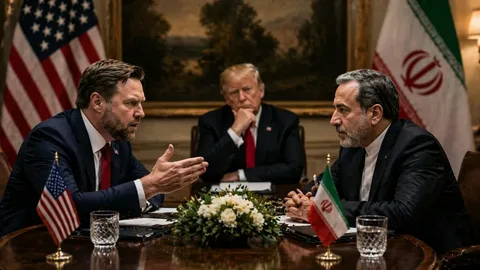
The proposed US-Iran peace deal has emerged as one of the most closely watched diplomatic developments of 2026. After months of regional tensions, military confrontations, and international mediation efforts, officials from both countries appear to be moving closer to an agreement that could reshape the political landscape of the Middle East.
The peace deal US Iran negotiators are discussing has attracted attention from governments, investors, and security experts worldwide. While many details remain under discussion, the possibility of a breakthrough has raised hopes that one of the region’s longest-running disputes could enter a new phase.
Background
Relations between the United States and Iran have remained tense for decades. Diplomatic disputes, economic sanctions, military incidents, and disagreements over regional influence have repeatedly prevented lasting cooperation between the two countries.
The latest efforts to secure a US-Iran peace deal come after a period of heightened tensions that raised fears of a broader regional conflict. International mediators, regional governments, and major global powers have all encouraged dialogue as a way to prevent further instability.
Throughout 2026, diplomatic channels remained active despite public disagreements. These negotiations eventually created the foundation for discussions surrounding a possible US Iran deal signed by both parties.
How the Negotiations Developed
Recent diplomatic contacts intensified after several rounds of indirect communication between Washington and Tehran. According to reports, mediators worked to bridge differences on security concerns, regional stability, and economic measures.
The possibility of an Iran peace deal signed by both governments gained credibility after officials acknowledged progress in negotiations. Although neither side publicly revealed every detail, statements from diplomats suggested that talks were advancing.
Observers noted that both countries had strong incentives to reduce tensions. Continued confrontation carried economic and security risks that neither side wanted to escalate further.
US-Iran Peace Deal Terms Under Discussion
One of the most important questions concerns the US-Iran peace deal terms currently being negotiated. While official documents have not been fully released, analysts believe several key areas are receiving attention.
Security guarantees are reportedly among the most significant components. Both sides are seeking mechanisms that would reduce the risk of military confrontation and establish procedures for managing future disputes.
Economic measures are also expected to play a role. Discussions may include sanctions relief, trade arrangements, and steps designed to improve economic stability.
Regional security remains another major focus. Diplomatic sources indicate that negotiators are examining ways to reduce tensions across the Middle East while encouraging broader cooperation.
US-Iran Deal Details Continue to Emerge
As talks progress, more US-Iran deal details are attracting public interest. Experts suggest that any agreement will likely include phased implementation rather than immediate changes.
This approach would allow both governments to verify compliance while building confidence in the process. Such arrangements are common in complex international agreements where trust remains limited.
The emerging US-Iran deal details indicate that negotiators are attempting to balance political realities with long-term diplomatic goals. This balancing act remains one of the most challenging aspects of the talks.
The Pakistan Dimension
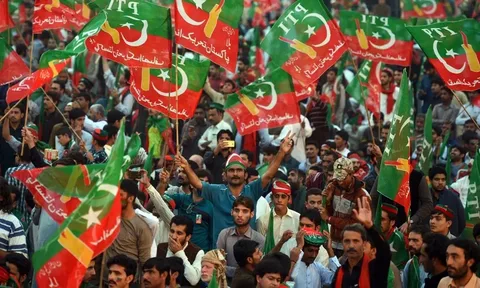
The phrase US Iran deal Pakistan has appeared frequently in regional discussions because Pakistan maintains important relationships with both countries. As a neighboring state with significant strategic importance, Pakistan has consistently supported diplomatic solutions to regional disputes.
Analysts believe that a successful US-Iran peace deal could have positive implications for Pakistan. Reduced regional tensions may improve trade opportunities, strengthen economic cooperation, and contribute to greater stability along important transportation routes.
Pakistani officials have repeatedly emphasized dialogue and peaceful conflict resolution as the preferred path forward. This position has generally aligned with broader international efforts to encourage diplomacy.
Global Reactions
Governments around the world have closely monitored developments surrounding the peace deal US Iran discussions. Many countries view successful negotiations as a positive step toward regional stability.
Financial markets have also responded to reports of progress. Investors often pay close attention to developments involving Iran because of the country’s role in global energy markets.
Several international organizations welcomed diplomatic engagement and encouraged both sides to continue negotiations. Their statements emphasized the importance of peaceful conflict resolution and long-term stability.
What Experts Are Saying
Foreign policy experts remain cautiously optimistic about the negotiations. While many acknowledge the challenges involved, they also recognize that diplomatic breakthroughs often emerge after extended periods of dialogue.
Some analysts believe the US-Iran peace deal could become one of the most significant diplomatic achievements in recent Middle Eastern history if finalized successfully.
Others caution that implementation may prove just as important as negotiation. Any agreement will require ongoing communication, monitoring, and political commitment from both governments.
Potential Regional Impact
A finalized US Iran deal signed by both parties could produce significant regional effects. Reduced tensions between Washington and Tehran may lower the risk of military escalation across several conflict zones.
Countries throughout the Middle East could benefit from improved security conditions. Economic cooperation may also become easier if regional uncertainty declines.
Energy markets are another area where impact could be felt. Greater stability often contributes to more predictable market conditions, which can influence prices and investment decisions.
Challenges Ahead
Despite positive signals, several obstacles remain. Political opposition exists in both countries, and some groups remain skeptical about the benefits of a comprehensive agreement.
Negotiators must also address technical details, verification mechanisms, and implementation timelines. These issues may appear procedural, but they often determine whether agreements succeed or fail.
For this reason, observers continue monitoring every development related to US-Iran deal points and the broader negotiation process.
Conclusion
The proposed US-Iran peace deal represents a potentially historic moment in international diplomacy. After years of tension, both countries appear willing to explore a path toward reduced confrontation and increased stability.
Although important questions remain unanswered, the progress achieved so far has generated cautious optimism. The coming weeks may determine whether negotiations result in a formal agreement or require additional rounds of discussion.
For now, governments, analysts, and citizens across the world continue watching closely as one of the most important diplomatic stories of 2026 unfolds.
FAQs
What happened to the US embassy in Iran in 2026?
The United States does not currently operate a functioning embassy in Iran. Diplomatic relations between the two countries have remained limited for decades, and communication has generally occurred through intermediaries and diplomatic channels involving third countries. During the 2026 negotiations, discussions focused on broader diplomatic engagement rather than reopening a traditional embassy presence.
Who is Iran’s biggest ally?
Iran maintains relationships with several countries and regional partners, although the nature of these relationships varies significantly. Analysts often point to strategic cooperation with countries such as China and Russia in certain areas. However, alliances in international politics are complex and frequently depend on economic, security, and diplomatic interests rather than permanent arrangements.
What did Trump promise to Iran?
Public statements from US leadership during negotiations have generally focused on reducing tensions, preventing conflict, and exploring diplomatic solutions. Specific commitments depend on the final agreement and official policy announcements. Any promises made during negotiations would typically be tied to compliance measures, security arrangements, and mutually agreed conditions contained within the final peace framework.