Council Calls the Assault “Heinous and Cowardly”
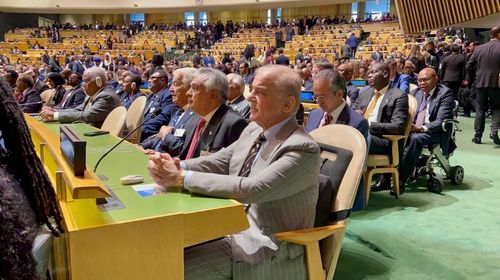
The United Nations Security Council has strongly condemned the Kohat terrorist attack that struck a mosque inside the Old Police Lines complex in Khyber Pakhtunkhwa. In a press statement, the Council described the assault as heinous and cowardly, and it demanded that those behind the plot face justice without delay.
Council President Jérôme Bonnafont, representing France, read out the statement on behalf of all member states. He said terrorism in every form remains one of the gravest threats to international peace, and he stressed that no cause can ever justify such violence against worshippers and law enforcement personnel.
Background of the Kohat Terrorism Incident
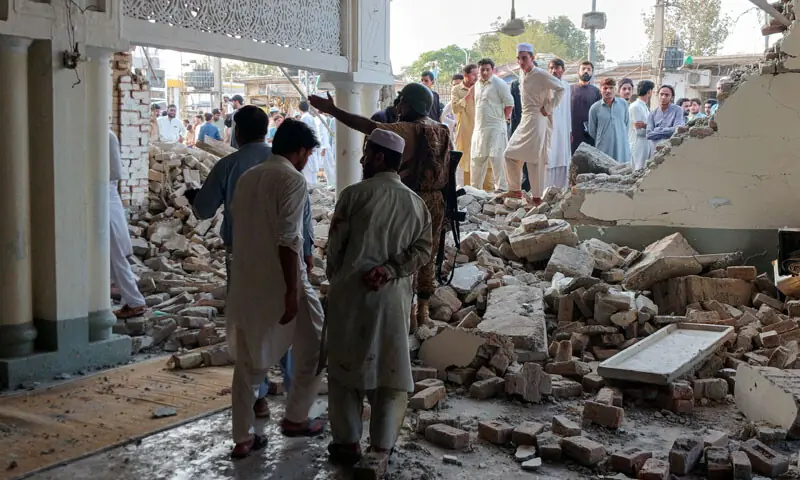
The attack unfolded on September 18, when a suicide bomber drove an explosives-laden vehicle through the gate of the Old Police Lines compound in Kohat district. The vehicle detonated near the mosque entrance just as worshippers, many of them police officers, had gathered for Friday prayers.
Gunmen then stormed parts of the compound and exchanged fire with security personnel guarding the police facility. Officials said the Counter Terrorism Department and Special Branch offices inside the complex had previously taken part in operations against militant networks in the province, which investigators believe made the site a deliberate target.
Details of the Kohat Terror Attack and Casualties
According to figures shared through official UN channels, the Kohat terror attack killed at least 24 Pakistani nationals, including seven civilians and seventeen law enforcement officers, while injuring at least 88 others. Earlier local reports had put the toll lower before hospitals confirmed additional deaths among the critically wounded.
Khyber Pakhtunkhwa police said Elite Force commandos and Counter Terrorism Department teams launched an immediate clearance operation after the blast. Officers reported that eight attackers were killed during the retaliatory action, and authorities confirmed by the weekend that the compound had been fully secured.
A militant network linked to the Tehrik-e-Taliban Pakistan claimed responsibility for orchestrating the bombing and the follow-up assault on the police lines.
Quotes From Officials and the United Nations
United Nations Secretary-General António Guterres said through his spokesperson that attacks targeting civilians and places of worship can never be acceptable under any circumstances. He extended condolences to the victims’ families and reaffirmed the UN’s support for Pakistan’s fight against terrorism.
Miguel Ángel Moratinos, the UN Alliance of Civilizations High Representative, separately called the assault utterly unacceptable and said that places of worship must remain protected spaces where people feel safe. Khyber Pakhtunkhwa’s Chief Minister had earlier sought a detailed report on the incident, calling the targeting of innocent citizens deeply regrettable.
Regional and Global Impact of the Kohat Attack
The Security Council statement urged every UN member state to actively cooperate with Pakistan’s government under international law to track down the perpetrators, organizers, financiers, and sponsors of the attack. This call for accountability for perpetrators sponsors signals a broader push to disrupt the networks that finance and direct such cross-border terrorism.
Beyond the Council itself, several countries including Qatar and Iran issued their own condemnations, describing the bombing as an assault on religious freedom and public safety. Analysts say the incident is likely to keep counter-terrorism cooperation with Pakistan high on the Council’s agenda in the coming weeks.
Conclusion and What Comes Next
Pakistani authorities have indicated that the investigation into the Kohat terrorist attack is ongoing, with security forces working to trace the network behind the bombing. The Security Council’s statement, while symbolic, adds diplomatic pressure on other states to assist in that effort.
Officials in Khyber Pakhtunkhwa say further security reviews are expected at police facilities across the province, particularly those that also serve as mosques or gathering points for prayer.
FAQs
What happened in the Kohat terrorist attack?
On September 18, a suicide bomber detonated an explosives-laden vehicle at the gate of the Old Police Lines complex in Kohat, Khyber Pakhtunkhwa, just as worshippers gathered for Friday prayers inside the mosque there. Gunmen then attacked parts of the police compound before security forces killed eight of the attackers and brought the situation under control. The assault left dozens dead and dozens more injured, most of them police personnel who had been on duty inside the complex.
Why did the UNSC condemn the Kohat terrorist attack?
The UN Security Council condemned the attack because it viewed the bombing of a mosque and a police facility as a direct assault on civilians, worshippers, and law enforcement officers carrying out their duties. Council members said such acts of terrorism are criminal and unjustifiable regardless of motivation, and they used the statement to reaffirm that terrorism remains one of the most serious threats to international peace and security.
Who will be held accountable for the Kohat terrorist attack?
The Security Council specifically called for the perpetrators, organizers, financiers, and sponsors of the Kohat attack to be identified and brought to justice. It urged all UN member states to cooperate with the Pakistani government under international law and existing Council resolutions. A network linked to the Tehrik-e-Taliban Pakistan has claimed responsibility, and Pakistani investigators are now working to trace the broader support structure behind the plot.