Strait of Hormuz tensions remain high as Donald Trump says the US Navy has removed or detonated mines from the vital waterway and warns Iran against laying new mines.
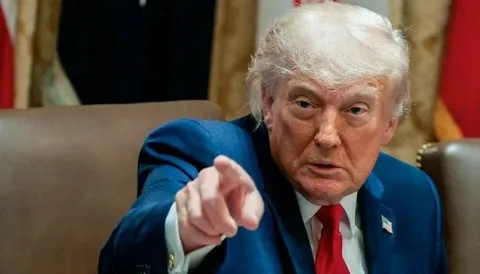
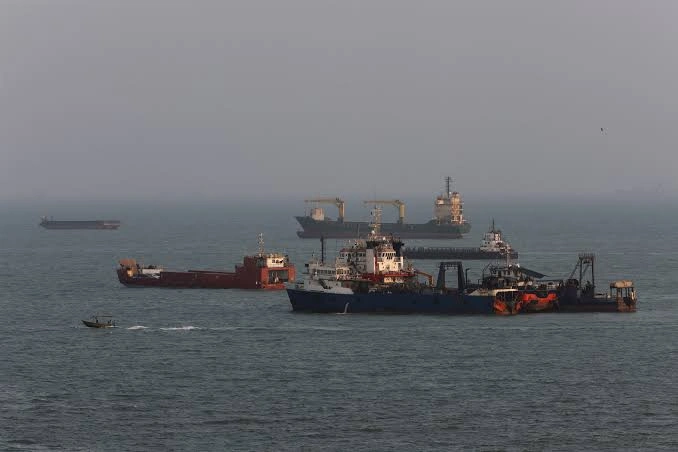
WASHINGTON: US President Donald Trump has said the US Navy has removed or detonated all mines in the Strait of Hormuz, a strategically important waterway that Iran has largely closed since the start of the ongoing Middle East conflict.
Trump said on his Truth Social platform that Iran had been warned against placing new mines in the waterway. He added that any ship or boat involved in laying fresh mines would be “immediately and systematically destroyed.” Iran has not immediately commented on the claim.
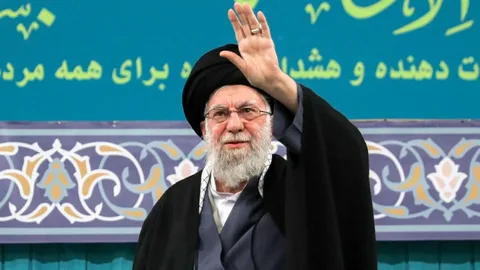
The Strait of Hormuz has become a major flashpoint during the conflict, with its disruption causing sharp fluctuations in global oil prices. Trump has repeatedly claimed that the United States has control over the strategic waterway, while Iran has targeted vessels it says attempted to cross without its permission.
Before the war began on February 28 with US and Israeli air strikes against Iran, around 20% of the world’s oil and liquefied natural gas supplies passed through the Strait of Hormuz. The waterway is therefore considered one of the world’s most important energy routes.
Iran responded to the initial strikes by attacking Israel, US military bases in the region and American Arab allies in the Gulf. Efforts to establish a ceasefire and facilitate negotiations aimed at ending the conflict have since broken down, with intermittent exchanges of fire continuing between the United States and Iran.
The latest development comes as Washington has announced a new package of economic sanctions against Iran. US Treasury Secretary Scott Bessent warned that countries and entities financially supporting Iran could face isolation from the international financial system.
The United States and Iran had previously signed a 14-point Memorandum of Understanding in June, setting a 60-day deadline for reaching an agreement concerning the Strait of Hormuz before broader negotiations over Iran’s nuclear programme were expected to begin.
That deadline has now expired, while talks have collapsed. Trump has argued that the new sanctions could contribute to the collapse of the Iranian regime.
Iranian officials, however, have rejected the US pressure campaign. Economy Minister Ali Madanizadeh said Tehran was fully prepared for expanded sanctions and argued that the measures would ultimately result in another setback for Washington.
Iran has experienced US sanctions for much of the period since the establishment of the Islamic Republic in 1979. The latest conflict has added further pressure to an already weakened economy, particularly as Iranian ports have faced a US blockade for several weeks that has restricted trade.
China, the largest buyer of Iranian oil, has strongly opposed the latest US measures. Beijing described the sanctions as “illegal unilateral sanctions” and said it would take necessary steps to protect its interests.
The dispute also comes ahead of planned talks between Trump and Chinese President Xi Jinping next month. Washington is likely to closely monitor Beijing’s response, particularly because China dominates the processing of rare earth elements and other critical minerals that are essential to the production of advanced technology.
The situation around the Strait of Hormuz therefore remains critical for global energy markets, with any further disruption potentially affecting oil supplies, shipping costs and fuel prices worldwide.