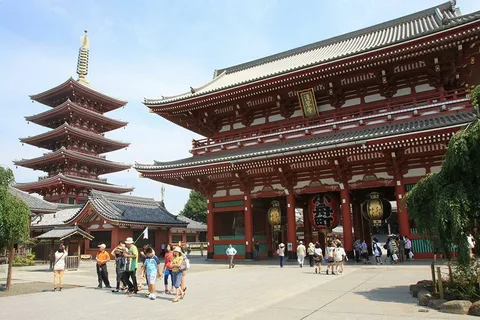
Tokyo is home to some of the most unique and meaningful omamori in all of Japan. Whether you are hoping to win concert tickets, find true love, pass exams, or protect your gadgets, the city’s shrines offer a charm for nearly every wish. Here is a guide to the best shrines where you can discover the right omamori for you.
Background
Omamori are small fabric amulets sold at Shinto shrines and Buddhist temples across Japan. These lucky charms usually come in the form of small pouches with prayers or sutras inside, and there is an omamori for almost everything good luck in general, love, career, studies, health, money, passing exams, warding off evil, and more. Each shrine has earned a distinct reputation for specific types of blessings, making the choice of where to get your omamori a deeply personal one.
Fukutoku Shrine: Pray to Win Concert Tickets
When it comes to unique omamori in Tokyo, few shrines are as fascinating as Fukutoku Shrine. Located in the Nihonbashi neighborhood of downtown Tokyo, Fukutoku Jinja was originally founded around 865 and is today considered a power spot for those hoping to win lotteries, money, or concert tickets.
During the Edo period (1603–1867), the Shogunate government permitted only certain shrines to hold lotteries, and Fukutoku Shrine was one of the few that received this official permission. That historic connection to gambling luck is why visitors today still flock here seeking fortune.
The shrine offers a variety of omamori for 500 yen each, including a gold-colored charm called the tomikuji-mamori, which is specifically meant to bring good luck for winning lotteries, tickets, or other monetary endeavors. In a country where concert tickets for top idol groups are distributed by lottery, fans have adopted this charm as their secret weapon.
For the truly devoted fan, Fukutoku Shrine also offers a special “ticket selection prayer ceremony,” in which a priest personally bestows a blessing to improve your chances at winning a ticket lottery, available for 5,000 yen. This blend of ancient Shinto tradition and modern fan culture makes Fukutoku Shrine one of the most unique omamori destinations in all of Tokyo.
Tokyo Daijingu Shrine: The Most Beloved Love Omamori
If romance is what you seek, Tokyo Daijingu Shrine is widely regarded as the top destination for love omamori in all of Tokyo. Tokyo Daijingu is renowned for its omamori such as the Suzuran charm, symbolizing pure love, and the key-shaped happy love charm, which is meant to promote mutual affection and commitment.
Tokyo Daijingu is the Tokyo branch of the famous Ise Jingu, and its charms feature the white lily of the valley in their design, which signifies the return to happiness in the language of flowers. The shrine is especially popular with young women seeking a meaningful relationship.
The shrine carries over 50 kinds of omamori, and among these, the most popular is the marriage charm shaped like a lily-of-the-valley flower. Tokyo Daijingu Shrine omamori are considered some of the most powerful love charms available anywhere in the city, making this a must-visit for anyone seeking a romantic blessing.
Sakura Jingu Shrine: Beauty and Seasonal Omamori
For those who appreciate delicate and visually stunning omamori, Sakura Jingu Shrine in Setagaya is a standout choice. Sakura Jingu Shrine follows the traditions of ancient Shinto and holds special rituals including the Chinka-shiki ceremony, where participants walk barefoot on red-hot charcoal. From late February to mid-March, the grounds are filled with blooming kawazu-zakura cherry blossoms.
The shrine is known for its popular “lace omamori” featuring a cherry blossom design, and a hydrangea version in a faint blue color is also available in June as a limited edition, with the same scheduled for June 2026. Two new versions of the lace omamori with different colors were also introduced in early 2026, making Sakura Jingu shrine omamori among the most collectible in Tokyo.
Sakura Jingu is said to bring general good luck as well as help with illness and warding off evil, as many important deities are enshrined here. Its seasonal charm releases make it a destination worth visiting at different times of year.
Kanda Shrine: Omamori for Tech, Love, and Business
One of Tokyo’s oldest and most celebrated shrines, Kanda Shrine (also known as Kanda Myojin) offers some of the most diverse omamori in the city. Kanda Myojin Shrine is believed to have first been built in 730 and was an especially important shrine during the Edo period, when the first shogun of Japan, Tokugawa Ieyasu, paid his respects here.
Kanda Shrine dedicates itself to Daikokuten, the god of wealth, and Ebisu, the god of good fortune. Together, they are believed to bless visitors with prosperity and strong relationships, making it ideal for those seeking both romantic connections and career advancement.
Because it is located near Akihabara, the famous hub for electronics and tech culture, Kanda Myojin also sells omamori specifically designed to bless electronic devices. Kanda Shrine omamori cover an exceptionally wide range of purposes, from academic success to protection of your smartphone, which makes it one of the most visited shrines in Tokyo.
Myogi Jinja Shrine: Victory and Love Combined
Myogi Jinja Shrine may be small, but its reputation packs a powerful punch. Myogi Jinja Shrine is the oldest shrine in Toshima ward. Although it is primarily known as a shrine for increasing your luck in winning, it also brings good luck in marriage because it shares the same deity enshrined at Tokyo Daijingu Shrine.
During the sakura season, many cherry trees bloom on the small shrine grounds, making it a beautiful and peaceful spot to visit while seeking divine blessings. Myogi Jinja Shrine is a lesser-known gem in Tokyo’s shrine landscape, perfect for visitors looking for a quieter, more intimate experience while still obtaining powerful omamori blessings.
Understanding Omamori Types
Part of the joy of visiting shrines is learning about the different omamori types available. There is an omamori for almost everything: general good luck, love, career and employment, studies, health, child-bearing, safe transportation, warding off evil, financial success, passing exams, and happiness.Some shrines go even further with highly creative designs. Tokyo Daijingu’s key-shaped omamori, said to unlock the heart of a future partner, is one well-known example of a uniquely shaped charm. Each omamori is considered to carry divine energy and should be treated respectfully kept close to the body in a bag or wallet, and eventually returned to a shrine when its purpose has been fulfilled
Where to Get Omamori in Japan
Tokyo alone offers dozens of excellent options for finding unique omamori. Beyond the shrines listed here, just about every Shinto shrine in Japan that has priests and shrine maidens on the grounds also sells omamori good luck charms. The key is matching the shrine’s specialty with your personal wish.
For those visiting Tokyo, a shrine-hopping itinerary that includes Fukutoku Shrine for lottery luck, Tokyo Daijingu for love, Kanda Shrine for technology and career, and Sakura Jingu for seasonal beauty would give you a well-rounded collection of the city’s best omamori. Each shrine offers something genuinely different, and the experience of praying and receiving a charm is as meaningful as the omamori itself.
Impact
Japan’s omamori culture continues to grow in global popularity, particularly as international tourism to Tokyo rebounds strongly. The rise of K-pop and J-pop fandoms worldwide has also driven new interest in shrines like Fukutoku, where concert ticket prayers have become a cultural phenomenon. Shrines are increasingly finding ways to blend centuries-old traditions with the desires and needs of modern visitors, making omamori more relevant than ever.
Conclusion
Whether you are a devoted fan hoping to score concert tickets, a romantic searching for your soulmate, or simply a curious traveler, Tokyo’s shrine culture offers an unforgettable experience. From the ancient grounds of Fukutoku Shrine to the seasonal beauty of Sakura Jingu and the tech-friendly charms of Kanda Shrine, the city’s omamori culture is as diverse and vibrant as Tokyo itself. A visit to these shrines is not just about collecting lucky charms it is about connecting with a living tradition that has comforted and inspired people for over a thousand years.
FAQs
Where is the famous concert venue in Japan?
Japan has many famous concert venues, including the Tokyo Dome, Budokan, and Saitama Super Arena. However, for fans who want divine help in winning concert ticket lotteries, Fukutoku Shrine in Nihonbashi, Tokyo, has become famous as the place to pray and pick up a special tomikuji-mamori charm specifically designed for winning ticket lotteries.
Where to get good luck charms in Tokyo?
The best places to get good luck charms known as omamori in Tokyo include Fukutoku Shrine for lottery and ticket luck, Tokyo Daijingu Shrine for love and matchmaking, Kanda Shrine for career and technology, and Sakura Jingu Shrine for beautiful seasonal charms. Most Shinto shrines across the city sell omamori, each specializing in different types of blessings.
What is the festival carrying shrine in Japan?
The mikoshi, or portable shrine, is a central feature of Japanese festivals known as matsuri. During festivals like the famous Kanda Matsuri one of Tokyo’s greatest traditional festivals held at Kanda Shrine worshippers carry a decorated portable mikoshi shrine through the streets to symbolize the movement of the deity through the community and bring blessings to the neighborhood.