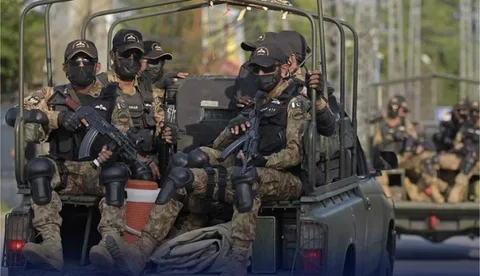
Pakistan security forces killed 11 terrorists in separate operations in Balochistan and Khyber Pakhtunkhwa, state media reported on Saturday. Five terrorists killed in South Waziristan belonged to Fitna al-Khawarij, while six in Balochistan belonged to Fitna al-Hindustan. The operations were carried out under Operation Radd-ul-Fitna 3 and the Azm-e-Istehkam vision, according to security sources. Weapons and ammunition were recovered, and the militants’ hideouts were destroyed.
Background: Why South Waziristan Matters
South Waziristan is a mountainous district in Khyber Pakhtunkhwa, along the Afghan border. It was once part of the former tribal areas and has long been a centre of militant activity. Previous military operations there date back more than a decade, which is why the district keeps appearing in security reports.
Pakistan uses the term Fitna al-Khawarij for militants linked to the banned Tehreek-i-Taliban Pakistan. It uses Fitna al-Hindustan for Baloch militant groups that it says are backed by India, a charge that India denies. These labels appear in nearly all official statements, so readers will see them often.
Violence has been high in recent weeks. Dawn reported that security forces killed five terrorists in Bara on September 29, three in Mir Ali on September 30 and four in Dera Ismail Khan earlier this week. The latest South Waziristan IBO continues that pattern.
Details: The South Waziristan IBO
According to security sources, the South Waziristan IBO was an intelligence-based operation against Fitna al-Khawarij. Five terrorists were killed in the mountainous district, and their hideouts were targeted and destroyed. A large quantity of weapons and ammunition was recovered from the militants.
Earlier reports from the same district gave the location of a similar operation as the Ladha area, though the sources for this latest case did not name a specific village. Authorities have not released the identities of the dead. As in most such cases, the details come from security sources, and independent confirmation from the ground is limited.
Security sources said operations against Fitna al-Khawarij are continuing in Khyber Pakhtunkhwa. They also said Pakistan security forces remain committed to eliminating terrorism under the Azm-e-Istehkam framework. The statements stress both continued action and the long-term aim of restoring peace.
Balochistan: Six Killed in Mashkel
In a separate action, six terrorists of Fitna al-Hindustan were killed in the Gorander area of Mashkel, Balochistan, under Operation Radd-ul-Fitna 3. Security sources said the militants opened fire on a check post and tried to flee. Forces responded quickly and killed all six.
This brought the day’s total to 11 across the two provinces. The operation in Balochistan was reactive, since it followed an attack on a post. The one in South Waziristan was intelligence-led.
Quotes: What Officials and Reports Say
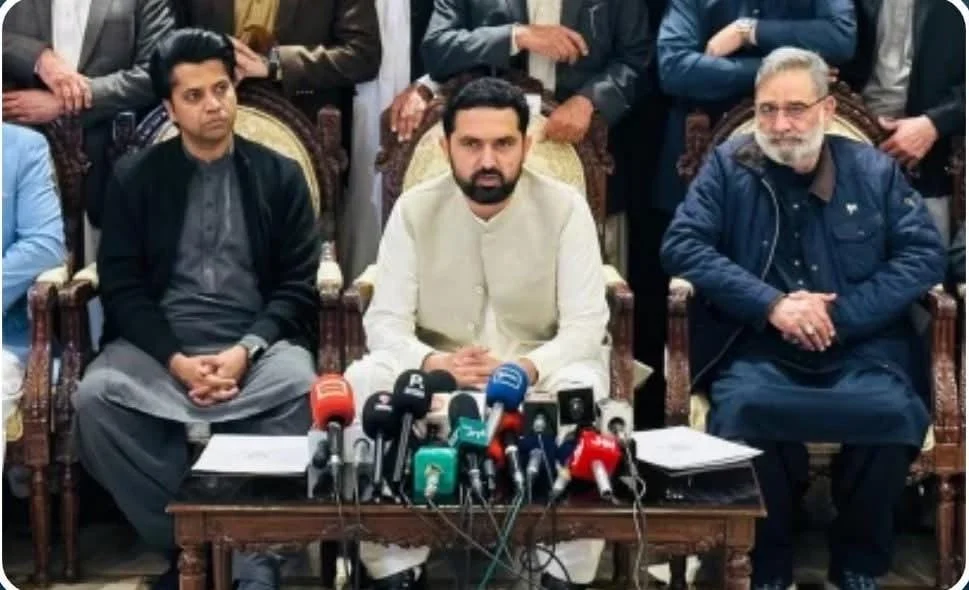
Security sources said the forces were determined to completely eradicate terrorism and establish lasting peace under the Azm-e-Istehkam vision. Interior Minister Mohsin Naqvi praised the security forces after the operations, according to news reports. No detailed statement from the military’s media wing had been seen in the sources reviewed.
Shafaqna also noted Pakistan’s position that the Afghan Taliban authorities have failed to take effective action against groups responsible for attacks on Pakistani forces and civilians. Kabul has disputed this position. The disagreement remains a key factor in the wider security debate.
Impact: What the Operations Mean
For Khyber Pakhtunkhwa, the destruction of hideouts in South Waziristan may limit militants’ ability to plan attacks in nearby districts. Residents of the area have faced years of instability, so any lasting improvement would matter to them. Much depends on whether the area stays secure after the operation ends.
For Balochistan, the Mashkel operation shows that militants continue to target check posts and civilians. Security forces have been running operations in many districts under Operation Radd-ul-Fitna 3. The scale of this campaign shows how serious the threat is.
At the regional level, the operations also feed into the tense relations between Pakistan and Afghanistan, and between Pakistan and India. Pakistan links some groups to outside backing, while those countries reject the claims. Any lasting solution is likely to need both security action and diplomacy.
Conclusion: What Comes Next
More intelligence-based operations are expected in Khyber Pakhtunkhwa and Balochistan. Security sources have said the campaign will continue, and officials are likely to release more details through the military’s media wing. Follow-up clearance in South Waziristan may also take place.
The main question is whether operations alone can bring lasting calm. Analysts often say that development, local trust and border management are as important as force. For now, the South Waziristan operation is another step in a long and difficult campaign.
Frequently Asked Questions (FAQs)
What was Operation Rah-e-Haq?
Operation Rah-e-Haq was a series of military operations launched by the Pakistan Army in the Swat valley in Khyber Pakhtunkhwa, beginning in late 2007. It targeted militants led by Maulana Fazlullah who had taken control of parts of the valley. The operation came in phases and was followed by larger campaigns in 2009, including Operation Rah-e-Raast, which aimed to restore state authority in Swat. Many residents were displaced during the fighting, and the area later saw a long recovery effort. It is often mentioned as an early example of Pakistan’s large-scale operations against militants in the north-west.
What is South Waziristan?
South Waziristan is a district in Khyber Pakhtunkhwa, Pakistan, on the border with Afghanistan. It was part of the Federally Administered Tribal Areas until those areas were merged into Khyber Pakhtunkhwa in 2018. The terrain is rugged and mountainous, which has made it difficult to control and has helped militants hide. Wana is its main town, and the population is mostly Pashtun, including the Mehsud and Wazir tribes. The district has been the site of several military operations and remains important in discussions about Khyber Pakhtunkhwa terrorism.
What was Operation Zalzala?
Operation Zalzala was a military operation launched by the Pakistan Army in South Waziristan in January 2008. It was aimed at militants associated with Baitullah Mehsud, then the leader of the Tehreek-i-Taliban Pakistan, and it focused on areas such as Sararogha and Ladha. The operation was followed by a larger offensive, Operation Rah-e-Nijat, in October 2009. Operation Zalzala is remembered as part of the early campaign against the TTP in the tribal areas. Details such as casualty numbers vary between sources, so check official military releases for exact figures.