South African authorities have arrested more than 900 people in connection with recent anti-migrant demonstrations, according to official figures. The protests have centered on worries over undocumented migration, public safety, and access to jobs, putting the country’s immigration policies and enforcement efforts back in the spotlight.
This latest wave of unrest has sparked plenty of debate among government officials, community leaders, human rights groups, and everyday residents alike. Authorities insist immigration laws need to be enforced, but rights organizations are pushing back, calling for peaceful demonstrations and protection for everyone, regardless of nationality.
Some Background
Immigration has been a recurring flashpoint in South Africa for years. As one of the continent’s largest economies, the country draws migrants from neighboring nations looking for work, education, and a better standard of living.
At the same time, high unemployment, economic strain, and inequality have fed public frustration around migration. That frustration has occasionally spilled over into demonstrations and broader backlash against immigration policy.
Past periods of unrest have also reignited fears of xenophobic violence, prompting officials to condemn attacks while urging communities to work through disputes peacefully instead.
More Than 900 Arrests
Law enforcement agencies say they’ve arrested over 900 people during recent anti-migrant protests held across different parts of the country.
According to officials, the arrests cover a range of alleged offenses from violations of immigration rules to public order infractions and other ongoing investigations. Authorities say every case will move through the South African legal system as usual.
Police have also stepped up their presence in affected communities, aiming to keep things from spiraling further and to maintain public safety throughout the demonstrations.
The Push for Stronger Enforcement
These protests have reignited the debate over undocumented migration and how immigration law should actually be enforced on the ground.
Government officials keep repeating the same message: enforcement needs to happen through proper legal channels, not through intimidation or mob violence.
Authorities say they’re continuing with document checks and verification processes, while stressing that everyone regardless of status is entitled to legal protections under South African law.
The Backlash Keeps Building
What’s driving this latest round of protests goes beyond just immigration itself it’s tied up with jobs, public services, and broader economic pressure.
Those pushing for tougher enforcement argue the country needs stronger border management and better documentation systems. Others say the smarter approach is balanced policy one that respects human rights while still enforcing the law.
Either way, it’s a clear sign of just how complicated managing migration gets in a country already under serious economic strain.
Fears Around Xenophobia
Human rights groups are worried that protests like these could feed into broader discrimination against foreign nationals.
Recent coverage of xenophobia in the country shows a lot of civil society organizations pushing hard for peaceful dialogue instead of hostility toward migrants.
Government leaders have consistently said criminal behavior should be dealt with on a case-by-case basis and that nationality alone should never be grounds for discrimination or violence.
Community groups are also running programs aimed at easing tensions between local residents and migrant communities.
Public Interest in Undocumented Migration
Interest in stories about undocumented migrants has spiked since the recent arrests.
Authorities say enforcement work is focused on verifying legal documentation, investigating suspected violations, and running cases through the established legal process.
Officials keep stressing that someone’s immigration status needs to be determined through proper investigation not assumptions or public accusations.
Inside the Protests
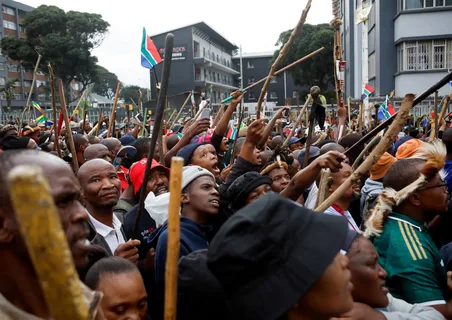
The recent wave of anti-immigration protests pulled large crowds in several locations across the country.
Police kept a visible presence to manage the crowds and head off violence, while urging demonstrators to keep things peaceful and avoid putting anyone at risk.
Observers say most of the demonstrations stayed calm, though isolated incidents did require police to step in and restore order.
What Officials Have Said
Government representatives have doubled down on their commitment to enforcing immigration law while still protecting constitutional rights.
Officials say undocumented migration remains a serious policy concern, but they’ve been equally clear that unlawful actions against foreign nationals won’t be tolerated.
Law enforcement has also confirmed that investigations into protest-related incidents are ongoing where needed.
How the Region Is Reacting
Neighboring countries and international organizations are keeping a close eye on how this unfolds.
Migration experts point out that regional cooperation really matters here, since population movement across southern Africa affects far more than just South Africa alone.
Humanitarian groups continue urging governments in the region to strike a balance between enforcing immigration law and upholding international human rights standards.
The Bigger Public Debate
These events have intensified conversations around jobs, housing, border security, and public services more broadly.
Some residents believe tighter immigration controls are the answer to easing economic pressure. Others argue the real solution lies in regional cooperation rather than confrontation.
Experts generally agree that any lasting fix will require a mix of effective immigration systems, real economic development, and genuine community engagement not quick fixes.
Setting the Record Straight
Since the protests broke out, a lot of people have been searching for information on whether foreigners are being forced to leave South Africa.
To be clear no general deadline has been announced requiring all foreign nationals to leave the country. People with legal permission to live, work, study, or visit remain governed by the existing immigration laws, same as before.
Government action here is focused on enforcing specific legal requirements through proper channels not blanket measures targeting all foreigners.
Effects on Local Communities
The protests have had knock-on effects on businesses, transport, and daily life in some areas.
Community leaders continue pushing for peaceful dialogue to keep tensions between residents and migrant communities from escalating further.
Economists are also warning that if the unrest drags on, it could start to weigh on investor confidence and local business activity.
What Happens Next
Authorities are expected to keep reviewing immigration documentation, investigating protest-related incidents, and processing arrested individuals through the courts.
Officials have also hinted that broader discussions about immigration policy and border management are likely to continue.
Expect more public debate ahead as South Africa tries to balance migration challenges with maintaining order and protecting constitutional rights.
Bottom Line
This latest crackdown captures South Africa’s ongoing struggle to balance immigration enforcement, economic pressure, and human rights all at once. Authorities say they’ll keep enforcing the law, but public safety and due process remain the stated priorities.
How this plays out over the coming weeks through policy discussions, enforcement action, and community engagement will shape South Africa’s broader response to migration going forward.
Frequently Asked Questions
How many foreigners are living in South Africa in 2026?
There’s no single, officially confirmed figure covering every foreign national in the country right now. The total spans permanent residents, temporary workers, students, refugees, asylum seekers, tourists, and undocumented migrants and estimates vary depending on the source and how the numbers are calculated. For the most reliable figures, official government publications and census data are the best bet.
Why are so many white South Africans leaving the country?
People leave South Africa for all kinds of reasons job opportunities, education, reuniting with family, business ventures, safety concerns, or simply lifestyle preferences. These reasons differ a lot from person to person, so it’s hard to pin emigration on any single cause. South Africa continues to see both people leaving and arriving, as part of broader global migration trends.
What counts as illegal migration in South Africa?
Illegal migration covers entering, staying, or working in South Africa without following the country’s immigration laws things like overstaying a visa, crossing the border without authorization, or lacking valid documentation. Authorities handle these cases through established immigration enforcement procedures, and individuals are still entitled to legal process and protections while investigations are underway.