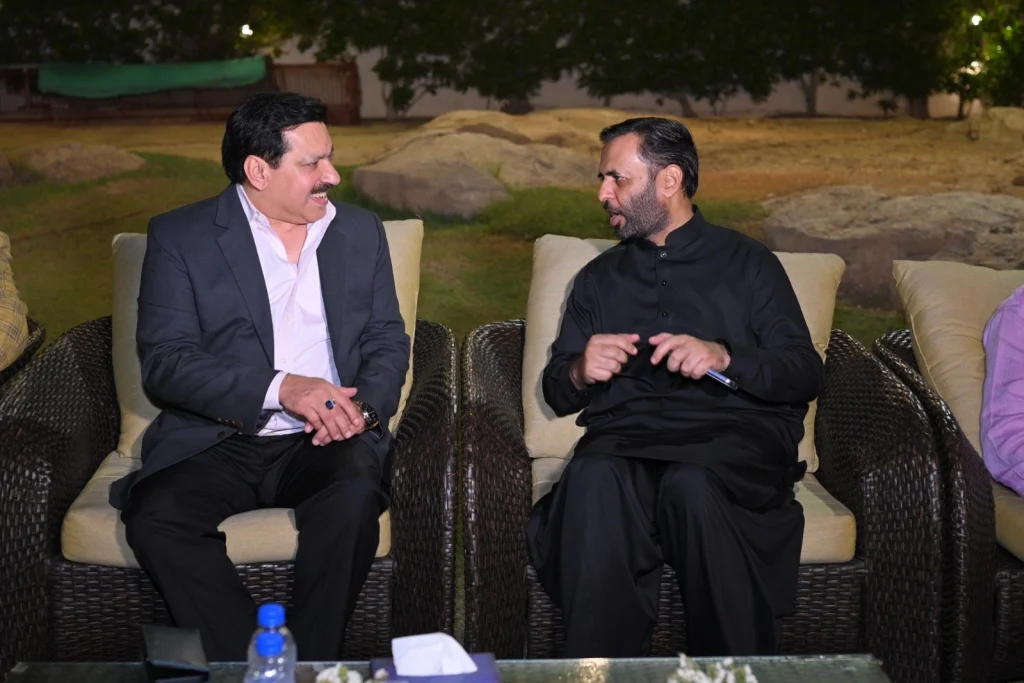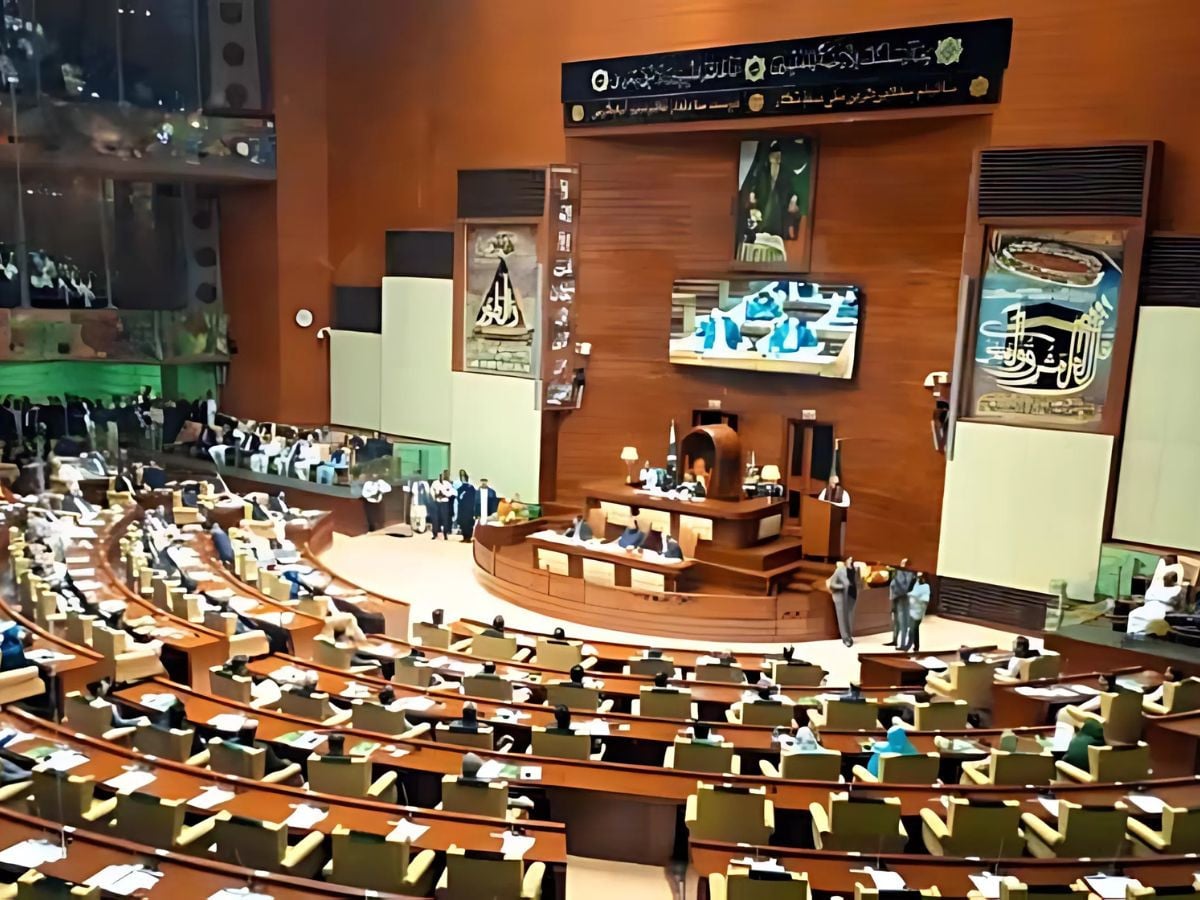
KARACHI: The Sindh Assembly on Thursday adopted a resolution against the division of Sindh, rejecting every proposal to redraw the province’s boundaries or carve new administrative units out of its territory. The Sindh Assembly resolution was passed amid a walkout by the Muttahida Qaumi Movement-Pakistan (MQM-P) and Jamaat-i-Islami (JI), while Chief Minister Syed Murad Ali Shah told the house that Sindh’s geographical unity was not up for discussion.
Background
Talk of new provinces has resurfaced in Pakistan’s political circles over the past few weeks, and Sindh has been named in several of these proposals. This is not new territory for the province. The Sindh provincial assembly has passed similar resolutions before, including ones in 2012, 2013, 2014, 2019 and again earlier this year in February.
The latest Sindh Assembly resolution came after a four-day debate on an adjournment motion moved by Pakistan Peoples Party (PPP) Sindh President Nisar Ahmed Khuhro. The motion had specifically raised the question of new provinces and administrative units, both across Pakistan and within Sindh itself.
Details
The Session and the Vote
The house took up the adjournment motion for four straight sitting days before Khuhro moved the actual resolution. Speaker Owais Qadir Shah allowed the motion to proceed even after opposition lawmakers left the chamber, and it was passed by the members who remained on the treasury benches.
No lawmaker from Pakistan Tehreek-i-Insaf (PTI) was present when the resolution came up for a vote, so their party’s position on this particular Sindh division resolution was not recorded in the house.
What the Resolution Says
The resolution declares Sindh an indivisible province and rejects any plan, scheme or constitutional arrangement that would alter its existing boundaries. It also turns down proposals to detach any district, division or region from Sindh, or to place any part of the province under a separate federal setup.
The text goes further and recalls Sindh’s part in the founding of Pakistan, pointing to the provincial assembly’s historic resolution in favour of joining the federation. It calls on the federal government, parliament and every political party to respect what it describes as the repeatedly stated will of the people of Sindh.
Walkout by MQM-P and JI
MQM-P and JI lawmakers walked out right after Opposition Leader Ali Khurshidi’s speech on the adjournment motion, before the resolution was even tabled. Their objection was procedural rather than a disagreement with the resolution’s substance: the parties said the treasury had refused to fold three additional points proposed by MQM-P into the final text.
Quotes
Chief Minister Murad Ali Shah did not mince words while addressing the house, saying the decision on Sindh’s division would be “made by members of the Sindh Assembly, not businessmen from Lahore.” He went on to say there would be no compromise on Sindh’s geographical unity, and that the assembly would keep defending its constitutional position on the matter.
PPP Women’s Wing President Faryal Talpur, addressing a separate forum on the same issue, was equally direct. “We will not sell Sindh. This is our motherland, and we will protect it,” she said, describing the entire party as united behind the position.
Senior Sindh Minister Sharjeel Inam Memon told the house that creating new provinces is a constitutional matter and one that only a provincial assembly can decide on, not a TV debate or a rally.
Impact
A Sindh Assembly resolution on its own does not carry binding legal weight over the federal government, but it does put every major party in Sindh on record. That matters because any move to divide a province would require a constitutional amendment, and Article 239(4) sets a high bar for that: approval by a two-thirds majority in the relevant provincial assembly.
The MQM-P walkout also says something about the coalition politics at play. The party did not oppose the resolution’s core message; it walked out over being left out of the drafting process, which suggests the disagreement inside the Sindh Assembly is more about political credit than about Sindh’s unity itself.
Conclusion
The Sindh Assembly Secretariat later moved to formalise the resolution by sending it to federal authorities, a step that pushes the debate over new provinces from the assembly floor onto the desks of the president, the prime minister and both houses of parliament. Given how often this issue has resurfaced over the decades, it’s unlikely to be the last word from Karachi on the subject.
Frequently Asked Questions
Who supported the Pakistan resolution from Sindh?
The resolution against dividing Sindh was moved by PPP Sindh President Nisar Ahmed Khuhro and passed by the treasury benches present in the house that day. MQM-P and JI lawmakers had already walked out over a separate procedural dispute before the vote, and no PTI members were present in the assembly at the time. Chief Minister Murad Ali Shah and Senior Minister Sharjeel Inam Memon both spoke strongly in favour of the resolution during the debate.
What are the new divisions of Sindh?
As of this resolution, no new divisions or provinces have actually been carved out of Sindh. The Sindh Assembly resolution specifically rejects any such move, whether it involves creating a new province, detaching a district or division, or placing any part of Sindh under a separate administrative arrangement. The debate remains a political proposal at this stage, not a completed administrative change.
Did the Sindh Assembly pass the Pakistan Resolution?
This latest development should not be confused with the historic 1940 Pakistan Resolution. What the Sindh Assembly passed on Thursday is a modern-day resolution against dividing the province, and it references Sindh’s earlier support for joining Pakistan only as historical background. The assembly has passed comparable resolutions on Sindh’s unity multiple times before, most recently in 2012, 2013, 2014, 2019 and February of this year.