The RLNG vs Sui gas comparison has become increasingly relevant as Pakistan’s domestic natural gas reserves decline and imported RLNG plays a growing role in the national energy mix. While both fuels ultimately reach consumers through the same pipeline network, the RLNG vs Sui gas distinction matters significantly when it comes to pricing, availability, and billing. With RLNG prices recently hitting decade highs, understanding the RLNG vs Sui gas difference has never been more important for households and businesses alike.
Background
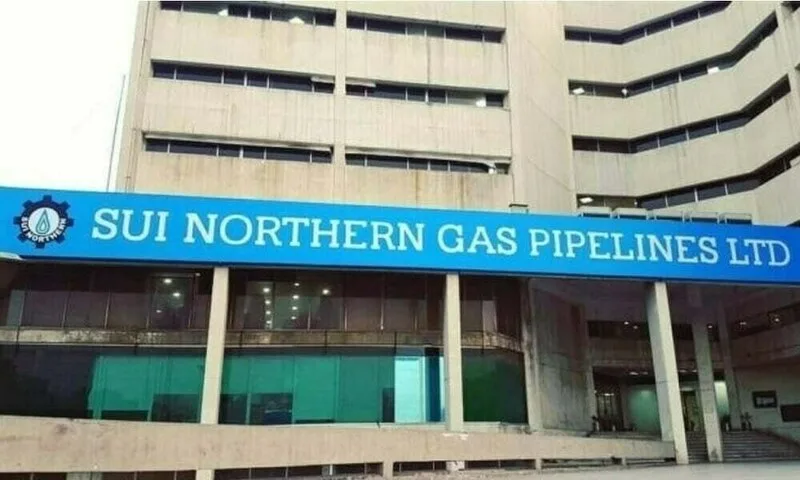
Sui gas refers to Pakistan’s domestically produced natural gas, named after the Sui gas field in Balochistan, discovered in 1952, which has historically been the country’s primary source of natural gas supply. For decades, Sui gas powered homes, industries, and power plants at relatively low, government-regulated prices, distributed through two state utilities: Sui Northern Gas Pipelines Limited (SNGPL) and Sui Southern Gas Company Limited (SSGCL). As domestic reserves have depleted and demand has outpaced local production, Pakistan turned to imported RLNG to fill the widening supply gap. This is the foundation of the RLNG vs Sui gas dynamic that shapes the country’s current energy pricing: RLNG is imported, re-gasified liquefied natural gas, priced according to volatile international market rates, while Sui gas remains domestically sourced and priced under a separate, more stable regulatory framework.
Details
The most significant element of the RLNG vs Sui gas comparison lies in pricing methodology. Sui gas prices are determined by OGRA based on domestic production costs, prescribed revenue requirements for SNGPL and SSGCL, and government policy considerations, generally resulting in more predictable and heavily subsidized rates for certain consumer categories, particularly domestic households using less gas. RLNG, by contrast, is priced monthly based on the Delivered Ex-Ship (DES) cost of imported cargoes, which fluctuates according to international spot and contract prices. This is precisely why RLNG vs Sui gas rates diverge so sharply during periods of global market volatility. For example, current RLNG prices stand at $25.83 per MMBtu for SNGPL consumers, a level far higher than typical domestic Sui gas tariffs for equivalent usage categories. Another important aspect of the RLNG vs Sui gas discussion is blending. In practice, Pakistan’s gas utilities often blend RLNG with domestically produced Sui gas within the same distribution network, meaning many consumers receive a mixture of both fuels without necessarily distinguishing between them on their utility bills. This blended supply model was designed to help offset the impact of expensive RLNG imports by combining them with lower-cost domestic gas, though rising RLNG prices increasingly affect the blended average cost passed on to consumers.
Availability is a further point of contrast in the RLNG vs Sui gas comparison. Domestic Sui gas production has been steadily declining due to natural depletion of existing fields and limited new discoveries, while RLNG import volumes have grown to compensate. This shift means RLNG now accounts for a growing share of the total gas supplied through Pakistan’s network, making RLNG pricing trends increasingly influential on overall consumer costs, even in regions traditionally associated with Sui gas. Consumer categories also matter significantly when examining RLNG vs Sui gas billing. Industrial and commercial consumers are often billed at rates more directly tied to RLNG pricing, especially during periods of high RLNG cargo reliance, while protected domestic consumers using minimal gas may continue to benefit from subsidized Sui gas-linked tariffs, at least for lower consumption slabs.
Quotes
Energy sector officials have emphasized that the RLNG vs Sui gas blending strategy was designed to cushion consumers from the full brunt of international price volatility, though they acknowledge that recent spikes in RLNG costs have made this cushioning effect less effective. They note that as domestic Sui gas volumes continue to shrink relative to overall demand, the blended average price is increasingly pulled toward the higher RLNG benchmark rather than the lower domestic rate. Analysts tracking Pakistan’s energy sector note that the widening gap in the RLNG vs Sui gas cost structure underscores the urgency of investing in new domestic gas exploration to reduce reliance on costly imports. Several have pointed to untapped potential in offshore and unconventional gas reserves as a possible long-term solution, though they caution that any new discoveries would take years to reach commercial production at meaningful scale. Industry representatives have also highlighted those consumer confusion around the RLNG vs Sui gas distinction often complicates public understanding of rising utility bills, since most household connections receive a blended supply without a clear breakdown of how much of their bill reflects each source, making it difficult for ordinary consumers to fully grasp why costs have risen so sharply in recent months.
Impact
The growing role of RLNG within the broader RLNG vs Sui gas supply mix has significant implications for Pakistan’s energy affordability. As domestic Sui gas reserves continue to decline, a larger share of the gas delivered to consumers will increasingly be priced closer to volatile international RLNG rates rather than stable domestic tariffs, gradually eroding the historical cost advantage Sui gas once provided to Pakistani households and businesses. This shift also affects industrial competitiveness, as sectors reliant on gas-based energy face rising costs tied to RLNG price fluctuations, a dynamic that would have been far less pronounced when Sui gas made up the overwhelming majority of national supply. Manufacturing sectors that built their cost structures around historically cheap domestic Sui gas are now having to adapt to a pricing environment that increasingly mirrors volatile global LNG benchmarks. Regionally, the RLNG vs Sui gas shift also affects how gas is allocated across different parts of the country, since areas closer to depleting domestic gas fields may see a faster transition toward RLNG-blended supply than regions where Sui gas production remains relatively more robust. This uneven transition can create disparities in effective gas pricing across different provinces and consumer categories. The RLNG vs Sui gas balance will likely continue shifting further toward imported gas in the years ahead, barring major new domestic discoveries, meaning affordability concerns tied to international price volatility are expected to become an increasingly permanent feature of Pakistan’s energy landscape rather than an occasional disruption.
Conclusion
Understanding the RLNG vs Sui gas distinction helps explain why Pakistan’s gas and electricity prices have become increasingly sensitive to global LNG market conditions. As domestic Sui gas reserves continue to deplete, the country’s growing dependence on RLNG imports means consumers should expect energy pricing to remain closely tied to international market volatility for the foreseeable future, a shift that marks a fundamental change from the more stable pricing environment of previous decades. Policymakers face the ongoing challenge of balancing near-term affordability with the long-term reality that domestic Sui gas alone can no longer meet the country’s energy needs. Continued investment in exploration, coupled with efforts to diversify RLNG import sources and improve distribution efficiency, will likely shape how the RLNG vs Sui gas balance evolves in the years ahead. For consumers and businesses alike, staying informed about the RLNG vs Sui gas dynamic offers valuable context for understanding utility bill fluctuations, making this comparison essential for anyone trying to understand Pakistan’s evolving energy cost landscape and plan accordingly for continued price uncertainty.
FAQs
What is the difference between RLNG normal and RLNG fast track?
Within the broader RLNG vs Sui gas framework, RLNG itself is further divided into normal and fast track categories. RLNG normal refers to gas secured through long-term supply contracts with more predictable pricing, typically negotiated years in advance under formulas tied to international oil benchmarks. RLNG fast track refers to gas procured urgently through spot-market purchases, usually to cover shortfalls when long-term contracted volumes fall short of demand. Both remain distinct from Sui gas, which is domestically produced and priced under a separate regulatory structure altogether, based on production costs rather than international cargo pricing.
What is the current price of RLNG according to OGRA?
According to OGRA’s latest notification, RLNG prices stand at $25.83 per MMBtu for SNGPL and $25.09 per MMBtu for SSGCL, translating to roughly Rs. 7,204 per MMBtu at the retail level. This is considerably higher than typical domestic Sui gas tariffs for comparable consumption categories, further widening the gap central to the RLNG vs Sui gas cost comparison and reinforcing why the blended pricing model has become an increasingly important factor in consumer bills.
What are the current LNG prices in Pakistan?
Current LNG prices in Pakistan remain at multi-year highs, directly affecting the RLNG side of the RLNG vs Sui gas equation. Since RLNG is increasingly blended with domestic Sui gas throughout the national distribution network, these elevated import prices are gradually pushing the overall blended cost of gas higher for consumers across the country, even in areas that have traditionally relied more heavily on domestically produced Sui gas rather than imported supply.