Questioning the Performance of Politicians: Retaliatory Attacks on the Media
By Amir Muhammad Khan
It has long been the habit of politicians to champion democracy—of which the media is a vital pillar—and to vocally advocate for press freedom. Yet, they only embrace democracy and a free press when it serves their own interests. If a judicial ruling makes their lives easier, they hail the judiciary as “independent,” but if a verdict goes against them, they dismiss it as a “kangaroo court.”
For the past eighty years, the people of Pakistan have been disheartened by this state of affairs—but who truly cares about the public? Even our younger generations have grown old witnessing this same cycle. Given the current situation, what can today’s generation possibly learn about democracy and its associated processes?
At a time when ministers within the country are at each other’s throats—consider, for instance, remarks like, “If I were to speak out, you wouldn’t be able to show your face in public”—the retort comes: “Are you Quaid-e-Azam, that one should even bother to speak about you?” The Prime Minister has explicitly urged members of the federal and provincial assemblies to desist from such mutual mudslinging.
Not only does this hinder national progress, but it also conveys a negative image of Pakistan to the public and the world at large. One hopes that heed is paid to this; if anyone has a grievance, there are proper forums—the Cabinet or the Assembly—where such concerns can be raised. There is certainly no need to organize press conferences merely for the sake of media exposure, especially when such statements cast aspersions on the government’s performance.
It is truly peculiar: to remain part of the government, enjoy its perks, and aspire to be among the elite, while simultaneously attempting to undermine the very foundations of that same government. If one is dissatisfied with the situation, no one is preventing them from resigning. It is contradictory to remain part of an alliance—holding significant positions in both the provinces and the center—while simultaneously targeting the central government.
Yet, despite such negative rhetoric, patriotic citizens do not succumb to despair, for they know that this country is home to individuals like Muhammad Zeeshan, who are bringing honor to Pakistan. With the assistance of China, he is embarking on a mission into orbit. It is commendable that while some politicians disappoint the public, there are, thankfully, sons of this sacred land like Muhammad Zeeshan—who, alongside Chinese experts, is venturing into orbit. He is the first Pakistani to reach orbit, bringing great distinction to his homeland.
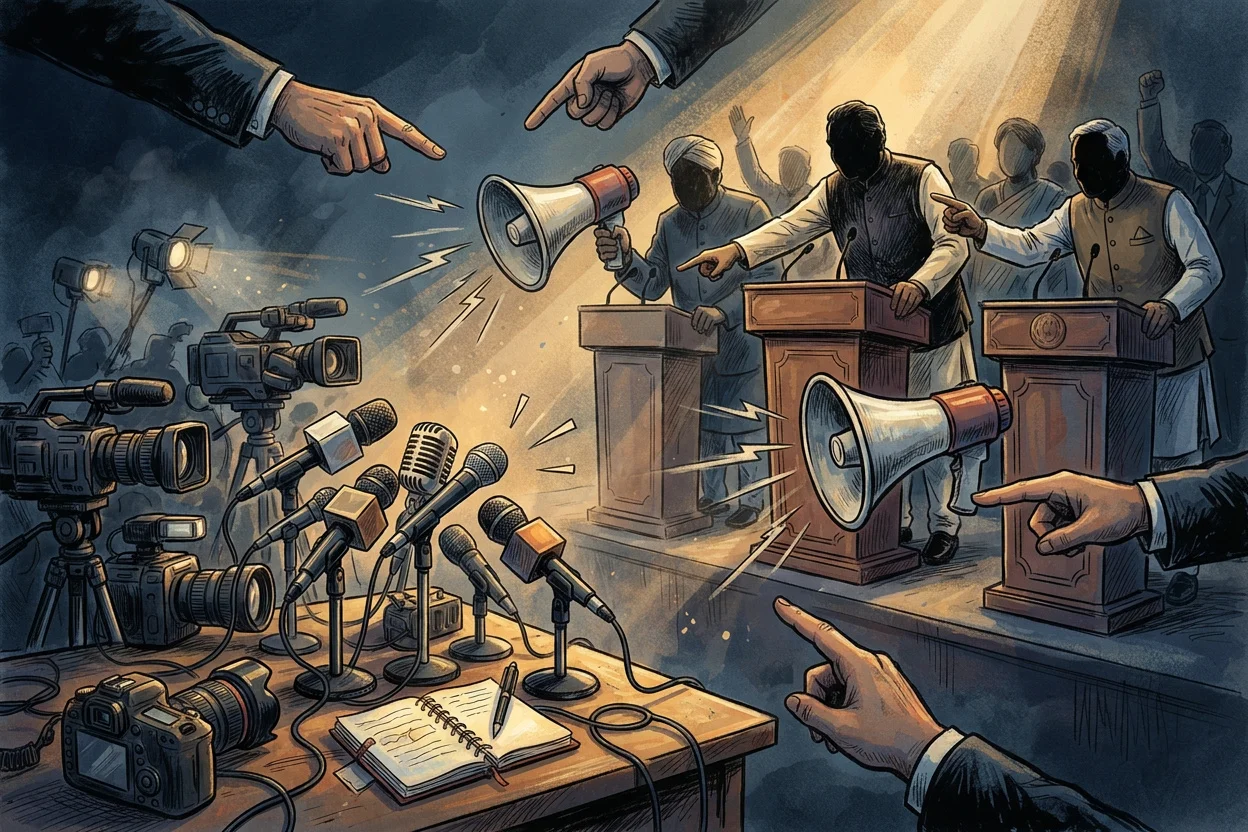
A strange paradox within Pakistani politics is thus laid bare. The public is demanding an account of performance from their elected representatives. The country is grappling with issues such as economic hardship, inflation, unemployment, and challenges in the sectors of education, healthcare, and law and order. Yet, the political leadership appears more focused on the conduct of the media—which questions their poor performance—than on resolving these pressing problems. Instead, they accuse the media of being biased toward certain political parties.
The question arises: why is there an expression of displeasure rather than a substantive response when performance is questioned? Has the role of the media been reduced merely to praising political leaders and highlighting their statements?
In a democracy, power is a trust reposed by the people, and elected representatives are accountable to them. During elections, grand promises are made to the public—claims regarding development, prosperity, employment, education, healthcare, justice, and better governance. At political rallies, visions of a bright future are presented, yet once power is attained, these very promises often fade into the background.
When the public asks about the fulfillment of these commitments, the blame is frequently shifted either to political opponents or directed toward the media.
The media serves as a vital pillar of any democratic society; its primary duty is to bring the performance of those in power—the rulers and politicians—to the public’s attention. If journalists do not ask questions, who will raise the issues faced by the people?
While freedom of the press does not imply a license to act without restraint, there is certainly no justification for subjecting journalists to pressure. Criticism should be addressed through arguments, facts, and tangible performance.
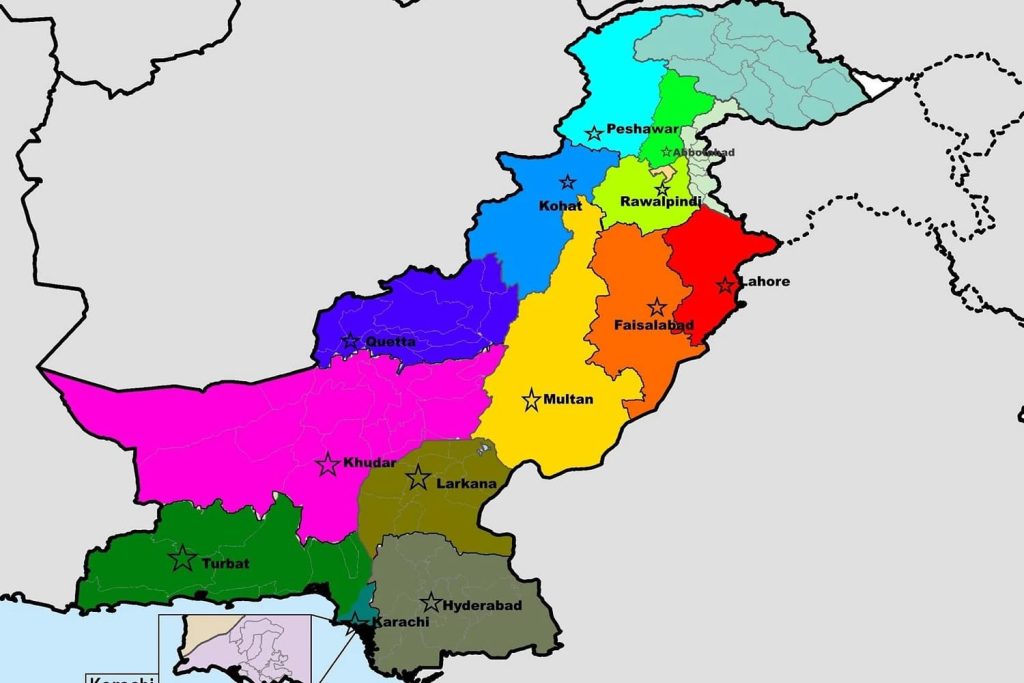
If a TV anchor or journalist is well-educated, they will naturally raise questions regarding public issues. For instance, if a journalist asks a leader from Sindh why the roads in Karachi resemble ruins, or why bridges have not been constructed despite the allocation of funds, what is wrong with that? Such problems likely exist in other provinces as well, and this principle applies there too.
Another issue we face is that political leaders tend to label news they favor as “freedom of the press,” while dismissing unfavorable news as “negative propaganda.” If the media praises a government initiative, it is termed “positive journalism”; however, if questions are raised about that same initiative, the intentions, affiliations, and character of the journalists are immediately called into question.
This attitude is not only detrimental to press freedom but also undermines democratic traditions. Politicians, while sitting in the assemblies, frequently devise new laws concerning the media; yet, they fail to grasp that the media is not their mouthpiece, but rather a vital link between the public and those in power.
Instead of harboring resentment toward journalists, they should focus on the questions that occupy the minds of the public. If the government has created employment opportunities, it should present the relevant data; if inflation has decreased, it should provide evidence; and if there have been improvements in the health and education sectors, the public should be informed.
Performance cannot be proven merely through press conferences, statements, or political speeches. If a system is established but not implemented, it is bound to fail.
Bilawal Bhutto of the PPP has many grievances—but has he ever asked anyone about the conspiracy behind the martyrdom of his mother? Investigators were brought in from abroad to probe the conspiracy behind the assassination; they prepared a report—but were any statements issued or disciplinary actions taken against those named?
His grandfather, the martyred Zulfikar Ali Bhutto, was subjected to a judicial murder. Years later, the very judge who handed down the death sentence admitted that the verdict was delivered under duress—unbelievable! How is it that, even after such a grave crime, the portraits of those who facilitated this judicial murder remain prominently displayed in the Supreme Court?
If Bilawal Bhutto were to raise this issue or take action regarding it, he would have the support of the people from various cities in Sindh today; tomorrow, his supporters would span every province of Pakistan, as well as the Pakistani diaspora abroad. Such backing would instill confidence in the PPP Chairman, empowering him to stand tall before the MQM, the Muslim League, and others, and to raise a powerful voice on behalf of the people.
To those who blame journalists and media organizations: silencing journalists does not silence the truth; suppressing questions does not resolve problems; and taking offense at criticism does not improve performance.
Power is transient; positions change, and governments come and go—but the promises made by rulers and their actual performance remain etched forever in the memory of the public.