Pakistan Is a Country Full of Strong Capabilities, It Just Needs Better Governance
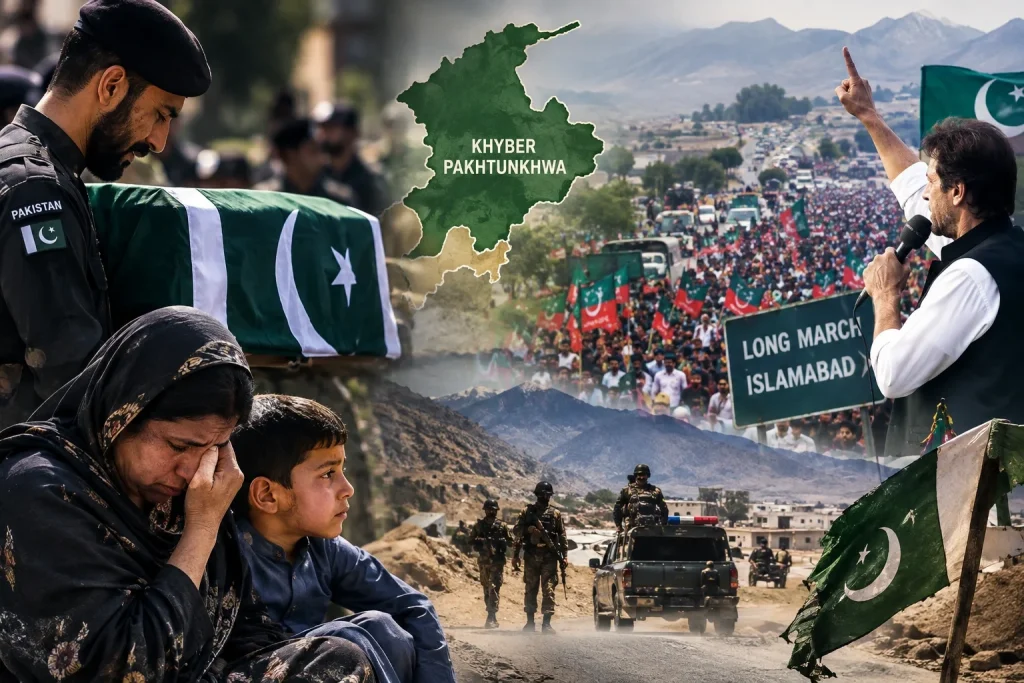
Pakistan is often viewed on the world map through the lens of political tensions, economic crises, and instability, but this image does not reflect the complete reality. The truth is that Pakistan is a country blessed with immense potential, abundant natural resources, youthful energy, and countless opportunities for development. What the nation truly requires is better governance, sincere leadership, and a stronger effort to present its positive image to the world.
Pakistan’s Greatest Strength: Its Youth
One of Pakistan’s biggest strengths is its young population. Millions of energetic and talented young people are equipped with modern education, digital skills, and technological awareness. Pakistani youth are proving themselves in information technology, engineering, medicine, business, and entrepreneurship across the globe.
Pakistan has become one of the leading freelancing nations in the world, which clearly demonstrates the talent and competitive capabilities of its younger generation. This growing digital workforce has the potential to transform the national economy if properly supported through policy reforms, investment, and innovation.
Agriculture: The Backbone of the Economy
Pakistan’s agricultural sector remains another major strength. Fertile land, four distinct seasons, and hardworking farmers provide the country with significant agricultural potential. Pakistan is among the important producers of wheat, rice, cotton, sugarcane, fruits, and vegetables.
With the adoption of modern agricultural technology, efficient irrigation systems, and improved policies, the country can not only ensure food security but also substantially increase exports and foreign exchange earnings.
Tourism and Natural Beauty
Pakistan’s breathtaking natural beauty is admired worldwide. Regions such as Gilgit-Baltistan, Hunza, Skardu, Swat, and Kashmir attract global attention because of their majestic mountains, lakes, valleys, and landscapes.
Tourism can become a major source of economic growth while also helping improve Pakistan’s international image. Promoting tourism infrastructure, ensuring safety, and simplifying travel facilities could significantly boost the national economy.
Strategic Geographic Importance
Pakistan’s geographical location is another critical advantage. Positioned at the crossroads of South Asia, Central Asia, and the Middle East, Pakistan holds strategic significance for trade, transit, and regional connectivity.
Projects like the China-Pakistan Economic Corridor (CPEC) demonstrate the country’s potential to become a regional economic hub. If managed wisely, these opportunities can strengthen Pakistan’s economy and increase its regional influence.
Hospitality and Social Strength
Pakistanis are recognized globally for their hospitality, generosity, and philanthropic spirit. During natural disasters and difficult situations, the nation consistently comes together to support one another.
This strong social fabric reflects the resilience and unity of Pakistani society and remains one of the country’s most admirable qualities.
Education and Scientific Development
Pakistan’s universities and research institutions are gradually progressing in modern sciences and technology. Pakistani scientists, doctors, and researchers continue to contribute internationally in various fields.
This growing intellectual capacity indicates that Pakistan possesses the human capital necessary for future development and innovation.
Economic Challenges and Governance Issues
Despite its strengths, Pakistan faces serious challenges including inflation, debt burdens, political instability, governance weaknesses, and corruption. Economic difficulties are not the result of a single government or short-term crisis but rather decades of weak policymaking, limited tax collection, and overdependence on imports.
The country’s tax base remains narrow while expenditures continue to rise. Large sectors of wealth, particularly among feudal elites and influential businesses, remain outside the effective tax system.
There is a common saying that “Pakistan is a poor country but its people are rich,” highlighting the imbalance between private wealth and national economic health.
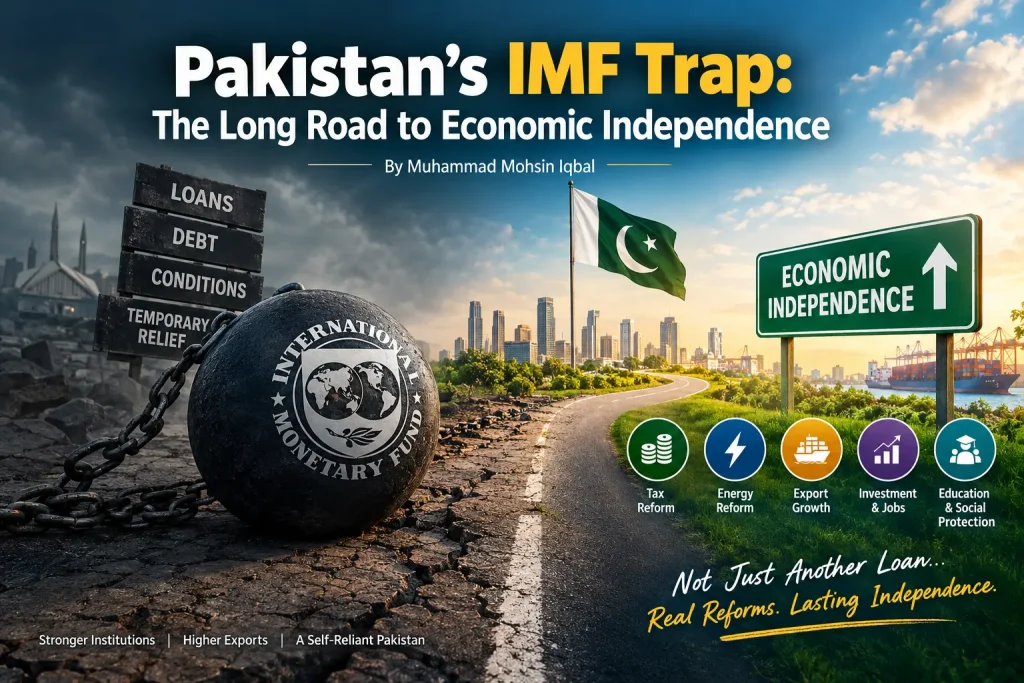
Can IMF Programs Solve Pakistan’s Problems?
While IMF assistance may provide temporary financial relief, it often comes with difficult conditions such as increased taxes, subsidy reductions, and higher utility prices, which directly affect ordinary citizens.
Pakistan’s long-term economic stability cannot rely solely on external borrowing. Sustainable solutions require structural reforms, economic discipline, and national accountability.
Key Solutions for Economic Stability
Expand the Tax Net
Big businesses, landlords, and influential sectors must be brought into the tax system to increase government revenue and reduce reliance on foreign loans.
Increase Exports
Pakistan must diversify exports beyond textiles and focus on IT, agriculture, manufacturing, and value-added industries to improve dollar inflows.
Reduce Luxury Imports
Encouraging local industry and reducing unnecessary imports can help ease pressure on foreign reserves.
Reform Energy Sector
Losses and circular debt in electricity and gas sectors continue to burden the economy. Transparency and efficiency are essential.
Fight Corruption
Corruption remains one of the country’s biggest obstacles to progress. Transparent governance and rule of law are necessary to restore investor confidence and economic stability.
The Role of Media and Positive Thinking
The media and social media also have an important responsibility. Instead of focusing only on negativity, success stories, innovation, tourism, youth achievements, and economic opportunities should be highlighted.
Pakistan is not merely a country of problems; it is also a country of possibilities and resilience.
A Nation of Hope
History shows that nations overcome difficulties through unity, hard work, honesty, and determination. Pakistan possesses all the ingredients necessary for progress — talent, resources, strategic importance, and youthful energy.
Pakistan is a land of hope where dreams can become reality and where every new day brings fresh opportunities. If governance improves and national interests are prioritized above personal interests, the country can move toward prosperity and development.
Pakistan’s future is bright — it simply needs stronger leadership, better governance, and collective national effort to make that brightness shine even more.