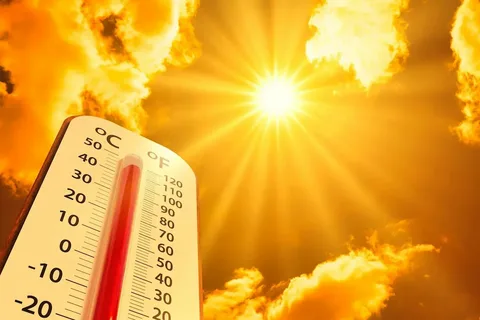
The Pakistan Heatwave 2026 continues to affect large parts of the country as extremely high temperatures, dry weather, and prolonged sunshine increase the risk of heat-related illnesses. According to recent weather updates, southern and central regions remain under severe heat stress, while northern areas are also experiencing unusually warm conditions.
Health authorities have urged citizens to stay hydrated, avoid unnecessary outdoor activities during peak afternoon hours, and immediately seek medical care if symptoms of heat stroke appear. The latest advisories come as Pakistan experiences another challenging summer driven by rising global temperatures and changing climate patterns.
Pakistan Heatwave 2026 Today: Latest News
The Pakistan Heatwave 2026 today remains one of the country’s most significant weather events this summer. Meteorological officials continue to monitor the situation closely as temperatures remain well above seasonal averages in many districts.
The Pakistan Meteorological Department (PMD) has also issued multiple weather advisories warning about continued hot and dry conditions. Authorities have cautioned that melting glaciers in northern Pakistan may increase the risk of Glacial Lake Outburst Floods (GLOFs), particularly in Gilgit-Baltistan and Khyber Pakhtunkhwa.
Medical experts say prolonged exposure to excessive heat significantly increases the chances of dehydration, exhaustion, and heat stroke, especially among children, elderly citizens, outdoor workers, and individuals with chronic illnesses.
Background
Pakistan regularly experiences intense summer temperatures between May and July. However, climate experts say recent heatwaves have become more frequent, longer-lasting, and more intense because of global climate change.
The Pakistan Heatwave 2026 follows several years of record-breaking temperatures across South Asia. Rising greenhouse gas emissions, changing weather patterns, and urban heat island effects have contributed to increasingly dangerous summer conditions.
Large cities including Lahore, Islamabad, Karachi, Multan, Bahawalpur, Jacobabad, and Dera Ghazi Khan have all experienced periods of exceptionally high temperatures during recent summers.
Pakistan Heatwave 2026 Date
The current Pakistan Heatwave 2026 date refers to the ongoing heatwave conditions affecting much of the country during June 2026.
Weather experts note that the intensity of the heat has varied from region to region depending on local weather systems. Southern Punjab, Sindh, and Balochistan have generally recorded the highest temperatures, while northern areas continue to experience warmer-than-normal weather alongside glacier melting concerns.
Meteorologists continue updating forecasts as atmospheric conditions evolve.
Highest Temperature in Pakistan 2026
The highest temperature in Pakistan 2026 has been recorded in several southern districts where daytime temperatures approached or exceeded the upper 40-degree Celsius range.
Areas including Jacobabad, Sibi, Dadu, and parts of southern Punjab have once again ranked among the hottest locations in the country.
Such extreme temperatures place considerable pressure on healthcare systems, electricity demand, water resources, and agriculture.
Highest Temperature Recorded in Pakistan Today
The highest temperature recorded in Pakistan today varies depending on daily weather observations issued by the Pakistan Meteorological Department.
Weather monitoring stations continuously collect temperature readings throughout the country, with southern Sindh and Balochistan frequently reporting the hottest daytime conditions.
Officials encourage residents to regularly follow official weather bulletins because temperatures can change rapidly depending on regional weather systems.
Highest Temperature Recorded in Lahore
The highest temperature recorded in Lahore during the current heatwave has remained extremely high, with daytime temperatures repeatedly crossing the mid-40°C range during several recent days.
The city’s dense urban environment, heavy traffic, and limited green spaces often make conditions feel even hotter through the urban heat island effect.
Residents have been advised to reduce outdoor activity during afternoon hours, drink plenty of fluids, and wear light-colored clothing to minimize heat exposure.
Highest Temperature Recorded in Islamabad
The highest temperature recorded in Islamabad has also remained above seasonal averages during the Pakistan Heatwave 2026.
Although Islamabad generally experiences slightly cooler weather than southern cities, the capital has still witnessed unusually warm days, increasing concerns for public health and energy consumption.
Officials have advised government departments, educational institutions, and healthcare providers to remain prepared for possible heat-related emergencies.
Pakistan Heatwave 2026 Wikipedia
Many internet users are searching for Pakistan Heatwave 2026 Wikipedia as public interest continues to grow.
At present, information about the ongoing heatwave is primarily available through official weather agencies, government advisories, reputable news organizations, and climate monitoring institutions. As with any developing weather event, verified information should be obtained from trusted sources rather than relying on unverified social media posts.
Heat Stroke in Pakistan 2026
The ongoing Heat Stroke in Pakistan 2026 emergency has prompted hospitals and emergency medical services to strengthen preparedness.
Doctors explain that heat stroke occurs when the body’s temperature rises rapidly and can no longer cool itself effectively. It is considered a medical emergency requiring immediate treatment.
Common symptoms include:
- Body temperature above 40°C
- Severe headache
- Dizziness
- Confusion
- Rapid heartbeat
- Hot, dry skin
- Nausea
- Loss of consciousness
Medical professionals advise calling emergency services immediately if heat stroke is suspected.
Government Response
Federal and provincial authorities have issued several public awareness campaigns encouraging people to take preventive measures during the ongoing heatwave.
Hospitals have been instructed to remain prepared for increased patient admissions, while disaster management authorities continue monitoring weather developments and glacier-related risks in northern Pakistan.
Educational campaigns have also focused on protecting vulnerable communities from heat-related illnesses.
Impact on Agriculture
The prolonged heat is creating additional pressure on Pakistan’s agricultural sector.Farmers face increased irrigation demands as crops lose moisture more rapidly. Livestock are also vulnerable to dehydration and heat stress, reducing productivity.
Agricultural experts warn that repeated extreme heat events may influence crop yields if adequate water supplies are not maintained throughout the growing season.
Energy Demand Continues to Rise
The Pakistan Heatwave 2026 has also increased electricity consumption nationwide.Higher temperatures have resulted in greater use of air conditioners, fans, and cooling equipment, placing additional strain on the national power grid.
Energy experts continue encouraging efficient electricity use during peak demand periods to reduce pressure on the system.
Climate Change Behind Rising Heat
Scientists increasingly link Pakistan’s recurring extreme heat events to global climate change.Higher average global temperatures are increasing the likelihood of more frequent and intense heatwaves across South Asia.
Pakistan remains among the countries considered highly vulnerable to climate-related disasters despite contributing only a small share of global greenhouse gas emissions.
Climate adaptation strategies, improved disaster preparedness, urban planning, and expanded green infrastructure are expected to become increasingly important in reducing future heat risks.
How to Stay Safe During the Heatwave
Health experts recommend several simple precautions:
- Drink water regularly, even if you do not feel thirsty.
- Avoid outdoor activities between late morning and evening.
- Wear loose, light-colored clothing.
- Use hats, umbrellas, and sunscreen when outside.
- Never leave children or pets inside parked vehicles.
- Check regularly on elderly relatives and vulnerable neighbors.
- Seek immediate medical attention if symptoms of heat stroke develop.
Regional Impact
The Pakistan Heatwave 2026 has affected nearly every province, although severity differs by location.
Southern Pakistan continues experiencing the highest daytime temperatures, while northern mountain regions remain concerned about glacier melting and possible flash floods.
Urban areas are experiencing increased electricity demand, while rural communities face challenges related to water availability and agricultural productivity.
Conclusion
The Pakistan Heatwave 2026 remains a serious weather event affecting millions of people across the country. Rising temperatures, increased heat stroke risks, and pressure on healthcare, agriculture, and energy systems demonstrate the growing impact of extreme weather.
Weather authorities continue monitoring conditions and issuing updated forecasts. Citizens are encouraged to follow official advisories, remain hydrated, and take all recommended precautions as hot conditions continue across many regions.
FAQs
Why will 2026 be the hottest year?
Scientists say 2026 could rank among the world’s hottest years because of long-term global warming caused by greenhouse gas emissions, combined with naturally occurring climate patterns that can temporarily raise global temperatures. While final global rankings will only be confirmed after the year ends, many regions have already experienced unusually high temperatures.
What is the hottest Pakistan has ever been?
Pakistan has recorded temperatures above 50°C in several locations over the years, particularly in Jacobabad, Turbat, Sibi, and surrounding areas. These regions are regularly listed among the hottest places on Earth during peak summer months. Exact records vary by official meteorological observations and location.
Why is heat increasing in Pakistan?
Heat is increasing in Pakistan due to a combination of climate change, rising global temperatures, changing weather patterns, rapid urbanization, deforestation, and the urban heat island effect. Scientists warn that these factors are making heatwaves more frequent, more intense, and longer-lasting, increasing risks to public health, agriculture, and water resources.