The death toll for Venezuela earthquake keeps climbing after two devastating earthquakes struck northern Venezuela earlier this week. Rescue crews are still working through collapsed buildings looking for survivors, with thousands still unaccounted for. Authorities confirmed a 4.9-magnitude aftershock on Friday, which has rattled residents already shaken by the original disaster.
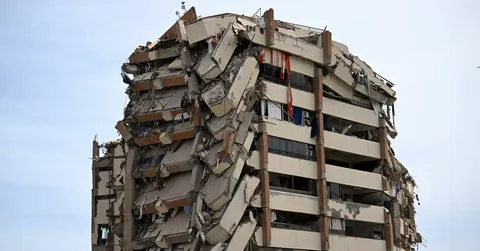
At the same time, Venezuela earthquake video footage spreading across social media has made the scale of the destruction clear: collapsed apartment blocks, damaged roads, and rescue teams working through the rubble in the worst-hit areas.
Background
The disaster started when two earthquakes, 7.2 and 7.5 magnitude, struck within seconds of each other, making this the strongest earthquake sequence Venezuela has recorded in more than a century. Both were centered near the northern coast, with severe shaking felt in Caracas, La Guaira, and surrounding areas.
Buildings came down across residential neighborhoods, and hospitals, transport networks, and communication systems all took serious damage. Officials declared a national disaster almost immediately, and international rescue teams began arriving to help local responders.
Two major earthquakes hitting in such close succession is rare, and it matters here: structures that survived the first shock with damage had little chance against the second, which is part of why so many buildings ended up trapping people beneath them.
Death Toll Continues to Rise
The latest figures put the death toll for Venezuela earthquake above 920 confirmed fatalities, with more than 3,300 people injured. Rescue teams are still searching damaged neighborhoods, and officials expect the casualty count to keep rising as that work continues.
Thousands of people have also been displaced after losing their homes, with temporary shelters set up in schools, sports facilities, and other public buildings to take in families who can’t return to unsafe structures.
The first 72 hours after a disaster like this are widely considered the critical window for finding survivors, and crews have deployed heavy machinery, rescue dogs, thermal imaging equipment, and international search specialists to make the most of that time.
Fresh 4.9 Earthquake Adds New Fears
Just days after the original twin earthquakes, a 4.9-magnitude earthquake struck off Venezuela’s northern coast.
It caused limited additional structural damage on its own, but it set off real panic among residents who were already dealing with repeated aftershocks. Many people ran into open spaces, afraid of another collapse.
Aftershocks like this are typical after an earthquake of this size, and residents are being told to stay cautious and avoid damaged buildings until engineers can confirm they’re safe.
Venezuela Earthquake Video Shows Scale of Disaster
A number of Venezuela earthquake video clips have drawn international attention after being shared by eyewitnesses, journalists, and emergency responders.
Drone footage shows entire residential blocks reduced to rubble, damaged highways, collapsed bridges, and neighborhoods buried under concrete debris. Other clips show rescue workers pulling survivors out of collapsed buildings, with volunteers working alongside emergency crews.
A lot of the footage also shows frightened residents gathered in parks and open streets as ongoing aftershocks keep entire communities on edge. Taken together, the videos give a sense of just how large the humanitarian response now facing Venezuela actually is.
Rescue Operations Continue Around the Clock
Search-and-rescue work is still active across the hardest-hit regions.
International teams from multiple countries have joined Venezuelan emergency personnel, bringing drones, thermal cameras, heavy lifting equipment, and trained search dogs.
Medical teams have set up emergency treatment centers to handle the growing number of injured, and hospitals are under serious strain as doctors work around the clock on fractures, crush injuries, and trauma cases.
Aid groups are distributing food, drinking water, blankets, hygiene kits, and emergency medical supplies to the thousands of families who’ve been displaced.
Infrastructure Suffers Heavy Damage
The earthquakes hit Venezuela’s infrastructure hard.
Apartment buildings, schools, hospitals, and commercial properties either collapsed outright or took severe structural damage. Several roads remain blocked by landslides and debris, which is slowing rescue work in harder-to-reach communities.
Power outages and communication disruptions have made emergency coordination harder, and engineers are still working through inspections of bridges, airports, and other public facilities. Transport authorities are asking residents to avoid unnecessary travel while that work continues.
International Response
Governments and humanitarian organizations around the world have offered help since the disaster struck.
International rescue teams, medical specialists, and aid agencies have started arriving with supplies and technical support, and several countries have pledged financial assistance for both immediate rescue work and longer-term recovery.
The United Nations and other humanitarian groups have flagged a real risk that this turns into a prolonged humanitarian emergency if recovery efforts run into further obstacles.
Expert Analysis
What makes this disaster unusual is the timing: two major earthquakes hitting within seconds of each other gives already-weakened structures almost no chance to hold, which is part of why the casualty and damage numbers climbed so fast.
Aftershocks after an earthquake this size typically continue for weeks, sometimes months, which means ongoing monitoring and public safety measures aren’t going away anytime soon.
Regional and Global Impact
Beyond the immediate humanitarian crisis, this disaster is likely to have consequences well beyond Venezuela’s borders.
Rebuilding will likely cost billions of dollars, and the damage to transportation, housing, healthcare, and public infrastructure could take years to repair. Neighboring countries are watching the seismic activity closely while offering what support they can, and relief organizations have warned that shortages of shelter, clean water, and healthcare access could lead to secondary public health problems on top of the disaster itself.
Looking Ahead
For now, authorities are focused on rescue work while starting to plan for the longer recovery ahead.As engineers inspect damaged buildings and crews keep searching for survivors, officials are urging residents to stay alert for more aftershocks and follow evacuation guidance where it’s given.
The full scope of the disaster likely won’t be clear for several more days, as rescue teams keep working and harder-to-reach areas finally get checked.
Frequently Asked Questions (FAQs)
How many people are missing in Venezuela?
The number is still changing as rescue teams identify survivors and recover victims. Officials have reported thousands of people unaccounted for in the hardest-hit areas, and that number should come down as communication improves and search operations continue.
What is the main cause of death in Venezuela?
Under normal conditions, the leading causes of death in Venezuela are the same as most countries: cardiovascular disease, cancer, diabetes, and respiratory illness. During this current disaster, though, deaths have come almost entirely from building collapses, crush injuries, and trauma caused by the earthquakes themselves.
Is Venezuela safe for tourists right now?
No, not in the affected areas. Damaged infrastructure, unstable buildings, ongoing aftershocks, and active emergency response work all make travel there genuinely risky right now. Anyone considering travel should check official government advisories and local updates before making plans.
Conclusion
The death toll for Venezuela earthquake keeps rising as rescue teams work to reach survivors trapped beneath collapsed buildings. The latest aftershock has added to the fear already gripping affected communities, and Venezuela earthquake video footage continues to show the scale of one of the country’s worst disasters in over a century. Rescue operations are ongoing, and the recovery is expected to stretch on for months as Venezuela begins rebuilding.