

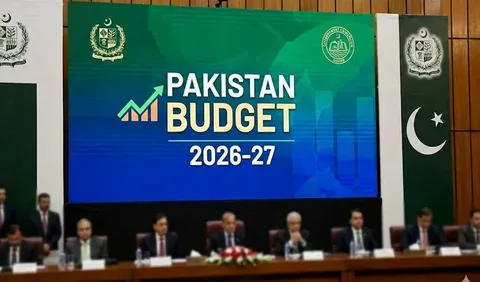

The Pakistan fiscal policy 2026-27 summary has attracted significant attention as the government outlines its economic priorities for the upcoming financial year. Policymakers are focusing on revenue generation, fiscal discipline, development spending, and economic stability while addressing public concerns about inflation and growth.
The Budget of Pakistan 2026-27 is being closely watched by businesses, investors, government employees, and international financial institutions. Interest has also surged in topics such as the salary increase in Budget 2026-27 Pakistan, Pakistan fiscal policy 2026-27 PDF download, and the Pakistan budget 2026 date.
Background
Pakistan’s economy has faced multiple challenges in recent years, including inflationary pressures, currency fluctuations, debt servicing obligations, and external financing requirements. Successive governments have attempted to balance growth objectives with fiscal responsibility.
The Pakistan fiscal policy 2026-27 summary reflects these challenges while seeking to maintain economic stability. Policymakers have emphasized the importance of increasing tax collection, improving expenditure management, and supporting productive sectors of the economy.
Economic analysts note that fiscal policy remains one of the government’s most important tools for influencing growth, controlling deficits, and maintaining investor confidence.
Pakistan Budget 2026 Date and Legislative Process
The Pakistan budget 2026 date became a major topic of discussion as stakeholders awaited official announcements regarding fiscal measures and spending priorities. The federal budget process involves extensive consultations among ministries, economic experts, and financial institutions before final proposals are presented.
After the budget presentation, lawmakers review revenue targets, expenditure plans, and taxation measures. Parliamentary debate allows policymakers to discuss the potential impact of fiscal decisions on different sectors of society.
The approval process is a critical stage because budget measures affect economic planning throughout the fiscal year.
Pakistan Fiscal Policy 2026-27 Summary
The Pakistan fiscal policy 2026-27 summary centers on maintaining macroeconomic stability while supporting long-term development goals. Fiscal authorities are focusing on improving revenue collection and managing expenditures more efficiently.
Key objectives include strengthening public finances, encouraging investment, and ensuring sustainable economic growth. Policymakers have also highlighted the importance of reducing fiscal imbalances and improving governance within public institutions.
Economic reforms are expected to remain an important component of the government’s broader strategy. These reforms aim to enhance productivity and create a more stable environment for businesses and investors.
Revenue Collection and Tax Reforms
Revenue generation remains one of the most important components of the Budget of Pakistan 2026-27. Government officials continue emphasizing the need to broaden the tax base and improve compliance.
Analysts argue that stronger revenue performance can help finance development projects while reducing dependence on borrowing. Tax reforms are often viewed as essential for achieving fiscal sustainability.
The government is expected to continue implementing measures designed to improve tax administration and strengthen documentation of economic activity.
Development Spending Priorities
Development expenditure plays a major role in economic planning. The Budget of Pakistan 2026-27 includes discussions regarding infrastructure development, education, healthcare, and public services.
Investment in development projects is often considered crucial for supporting long-term economic growth. Improved transportation networks, energy infrastructure, and social services can contribute to productivity and employment creation.
Many economists believe development spending must be carefully balanced with fiscal discipline to ensure sustainable economic progress.
Salary Increase in Budget 2026-27 Pakistan
One of the most searched topics is the salary increase in Budget 2026-27 Pakistan. Government employees are closely monitoring announcements related to pay revisions, allowances, and pension adjustments.
Public sector salary decisions are influenced by multiple factors, including inflation, fiscal capacity, and broader economic conditions. Policymakers must balance employee welfare with budgetary constraints.
The issue has become particularly important because rising living costs have increased pressure on household budgets. Any salary increase in Budget 2026-27 Pakistan is therefore receiving significant public attention.
Impact on Government Employees
Salary adjustments can affect millions of individuals directly and indirectly. Increased incomes may improve purchasing power and support consumer spending across various sectors of the economy.
At the same time, policymakers must consider the fiscal implications of wage increases. Higher government expenditures can affect budget deficits if not matched by stronger revenues.
Economists often debate the balance between supporting public employees and maintaining fiscal sustainability.
Pakistan Fiscal Policy 2026-27 PDF Download Interest
Searches for Pakistan fiscal policy 2026-27 PDF download and Pakistan fiscal policy 2026-27 PDF typically increase following budget presentations. Citizens, researchers, and businesses often seek official documents to understand policy details.
Budget documents provide information regarding taxation, expenditure allocations, economic forecasts, and government priorities. These materials are frequently used by analysts to evaluate the likely impact of fiscal measures.
Access to official budget information is considered essential for transparency and informed public discussion.
Budget 2026-27 in Urdu
Interest in Budget 2026-27 in Urdu remains high as many citizens prefer reviewing fiscal announcements in the national language. Urdu-language summaries help make budget information accessible to a broader audience.
Economic experts often prepare simplified explanations to help citizens understand taxation measures, salary proposals, and development spending plans. This improves public awareness of government policies.
Greater accessibility can also encourage more informed participation in economic discussions.
IMF and International Economic Considerations
Pakistan’s fiscal strategy is closely monitored by international financial institutions and investors. Economic reforms and fiscal targets are often evaluated within the broader context of financial stability.
International stakeholders generally focus on revenue performance, expenditure control, and debt management. These factors influence investor confidence and perceptions regarding economic resilience.
The Pakistan fiscal policy 2026-27 summary therefore carries significance beyond domestic policy debates.
Expert Opinions
Economists generally agree that maintaining fiscal discipline remains important for long-term stability. However, opinions differ regarding the appropriate balance between economic growth and deficit reduction.
Some experts argue for increased development spending to stimulate growth, while others emphasize the importance of controlling expenditures and strengthening revenues.
These debates are common during budget season and reflect broader discussions about economic priorities.
Economic Outlook for 2026-27
The economic outlook will depend on multiple factors, including global market conditions, domestic reforms, inflation trends, and investment activity.
Government officials hope fiscal measures will support stability and growth while strengthening confidence among businesses and consumers. Analysts will continue monitoring economic indicators throughout the fiscal year.
The success of the Budget of Pakistan 2026-27 will ultimately be judged by its impact on growth, employment, inflation, and fiscal sustainability.
Conclusion
The Pakistan fiscal policy 2026-27 summary outlines an important roadmap for the country’s economic management. Policymakers are attempting to balance fiscal discipline, development spending, revenue generation, and public welfare.
Topics such as the salary increase in Budget 2026-27 Pakistan, Pakistan fiscal policy 2026-27 PDF download, Budget 2026-27 in Urdu, and the Pakistan budget 2026 date have generated widespread public interest. As implementation begins, businesses, investors, and citizens will closely watch how these policies influence Pakistan’s economic future.
FAQs
What is the fiscal discipline of the budget 2026?
Fiscal discipline refers to the government’s effort to manage expenditures responsibly while maintaining sustainable revenue collection. In the context of the Budget of Pakistan 2026-27, fiscal discipline generally involves controlling deficits, improving tax collection, prioritizing essential spending, and ensuring that public finances remain stable over the long term. Economists consider fiscal discipline an important factor in maintaining investor confidence and economic stability.
Is the 2026 budget approved?
The approval status of the budget depends on the stage of the parliamentary process. Typically, a proposed budget is presented to lawmakers before undergoing debate, review, and voting procedures. Citizens seeking the most current information should consult official government announcements and parliamentary records regarding final approval and implementation timelines.
What is the GDP of Pakistan in 2026?
GDP estimates for Pakistan in 2026 vary depending on the source, methodology, and economic conditions. Government agencies, international financial institutions, and research organizations regularly update their projections based on growth trends, inflation, investment levels, and global economic developments. Analysts use GDP data as one of the primary indicators for measuring overall economic performance.