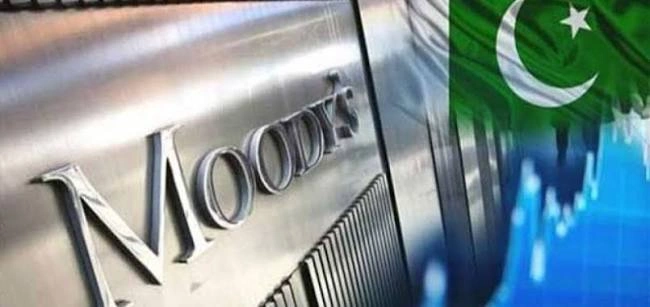
The Pakistan credit rating upgrade reflects stronger foreign-exchange reserves, improved fiscal conditions, lower domestic financing costs and greater resilience to external economic shocks.
ISLAMABAD: Moody’s Ratings has upgraded Pakistan’s sovereign credit rating from Caa1 to B3, citing improvements in the country’s external position, fiscal indicators and domestic financing conditions. The ratings agency retained Pakistan’s outlook at stable, signalling that it does not currently expect a major change in the country’s credit profile.
Moody’s said Pakistan’s external vulnerabilities have eased as its foreign-exchange reserves have continued to increase. The agency attributed the improvement to sustained macroeconomic stabilisation and ongoing efforts to strengthen the country’s financial position.
The ratings agency also pointed to lower domestic borrowing costs following monetary easing. According to Moody’s, reduced financing costs combined with improved fiscal conditions have led to a significant improvement in Pakistan’s ability to manage its debt.
Moody’s said Pakistan’s credit profile is also showing greater resilience against external shocks compared with previous economic cycles. The agency noted that this resilience has been evident despite continued uncertainty linked to the Middle East conflict.
The upgrade comes as Pakistan continues efforts to rebuild its foreign-exchange reserves and implement economic reforms following years of financial pressure. The announcement was made after the close of trading at the Pakistan Stock Exchange.
Pakistan’s dollar-denominated bonds gained following the announcement, with several issues recording increases. The bond maturing in 2051 posted its strongest gain since August 20, according to Bloomberg data.
The latest move by Moody’s follows an upgrade by S&P Global Ratings in July. S&P also cited improving economic and financial conditions when raising Pakistan’s sovereign rating.
Despite the positive development, Pakistan remains within speculative-grade territory. Moody’s said the country’s risk assessment has improved from very high to high, putting Pakistan alongside countries such as Argentina, Nigeria and Kyrgyzstan with similarly rated sovereign debt.
However, Moody’s cautioned that Pakistan’s credit profile continues to face significant risks. The agency highlighted fragile external finances, weak debt affordability and a relatively narrow government revenue base as key vulnerabilities.
Pakistan Credit Rating Upgrade Welcomed by Shehbaz Sharif
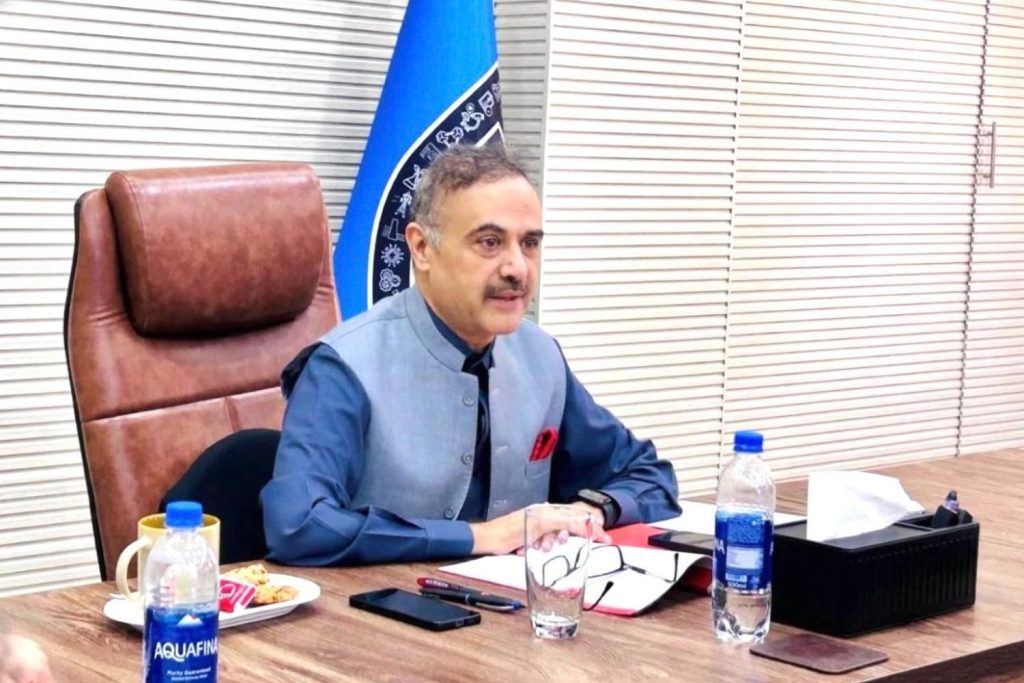
Prime Minister Shehbaz Sharif welcomed the rating upgrade, saying it demonstrated increasing international confidence in Pakistan’s economic policies and reform programme.
In his reaction, the prime minister praised the government’s economic team for its efforts to improve the country’s financial outlook. He also acknowledged Deputy Prime Minister and Foreign Minister Ishaq Dar and Chief of Defence Forces and Chief of Army Staff Field Marshal Asim Munir.
Shehbaz Sharif said the improved rating showed that international financial institutions and global ratings agencies were recognising the progress made in stabilising Pakistan’s economy.
The prime minister said the government had taken effective measures to stabilise the economy and strengthen the external sector. He added that continued reforms were helping restore confidence among international investors and financial institutions.
“Global confidence in Pakistan is increasing,” the prime minister said, while pledging to accelerate economic reforms aimed at creating a more sustainable and self-reliant economy.
Pakistan Expands Access to International Markets
The Moody’s upgrade comes after Pakistan took several steps to regain access to international debt markets.
In April, Pakistan returned to international debt markets through a global bond private placement, marking its first such move in more than four years.
A month later, the country issued its first yuan-denominated notes in China’s onshore market. The transaction represented an effort to diversify Pakistan’s foreign financing sources while strengthening its financial relationship with China.
Pakistan’s foreign-exchange reserves have also improved. The latest available figures put the country’s reserves at approximately $17.1 billion, providing greater support for external payments and helping reduce immediate pressure on the balance of payments.
The stronger reserve position has been an important factor behind the improvement in Pakistan’s credit outlook.
Although the Pakistan credit rating upgrade is a positive development, Moody’s stressed that several structural weaknesses remain.
Pakistan continues to face challenges related to debt affordability, government revenues and external financing. The country’s narrow revenue base remains a major concern, while its economy remains exposed to changes in global financial conditions and external shocks.
The government will therefore need to maintain fiscal discipline, continue economic reforms and strengthen foreign-exchange reserves if it wants to build on the latest improvement.
The B3 upgrade nevertheless represents a notable improvement from Pakistan’s previous Caa1 rating and could help strengthen investor sentiment.
With Moody’s and S&P both recognising improvements in Pakistan’s economic and financial conditions, the government will now face pressure to maintain the momentum and ensure that recent stabilisation translates into longer-term economic growth and financial stability.