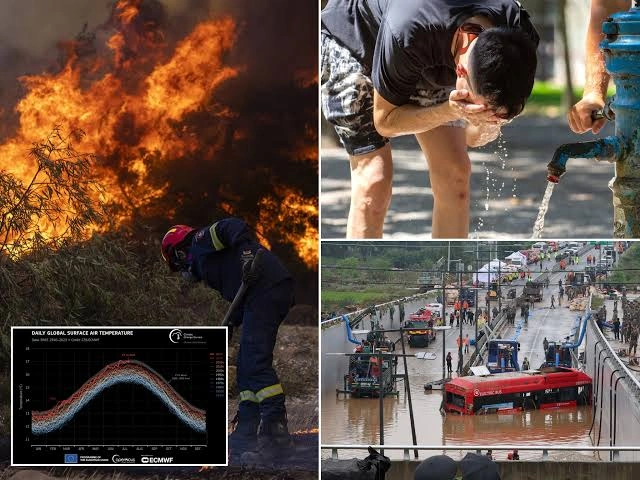
July has recorded the highest global average temperature ever measured for the month, highlighting the growing impact of extreme heat and worsening climate conditions across several parts of the world.
Western Europe has been particularly affected, with France and Spain experiencing their hottest July on record. Other regions, including parts of the Sahel and Central America, also endured exceptional temperatures, exposing hundreds of millions of people to dangerous heat.
Extreme Heat Raises Climate Concerns
The latest temperature records have renewed concerns about the accelerating effects of climate change.
Scientists have warned that prolonged periods of extreme heat can increase risks to human health, agriculture, water supplies and ecosystems. High temperatures can also intensify drought conditions and increase the likelihood of wildfires.
In Western Europe, unusually hot and dry conditions have already placed additional pressure on communities and emergency services.
Soil Moisture Levels Cause Alarm
Alongside record temperatures, soil moisture levels in parts of Western Europe have fallen to concerning levels, increasing the vulnerability of vegetation and farmland.
Dry soils can worsen the effects of heatwaves because less moisture is available to cool the surface through evaporation. This can create a feedback loop in which already-hot areas become even hotter and drier.
The combination of extreme heat and low soil humidity is also raising concerns about wildfire risks in vulnerable regions.
Millions Exposed to Record Heat
The extreme weather has affected regions with a combined population of hundreds of millions.
From Europe to the Sahel and Central America, communities have faced unusually high temperatures, putting pressure on health systems and increasing risks for people who work outdoors, older adults and other vulnerable groups.
Authorities in affected areas have urged residents to take precautions during periods of extreme heat, including staying hydrated and avoiding strenuous outdoor activity during the hottest hours.
Climate Risks Continue to Grow
The latest record adds to a broader pattern of increasingly frequent and intense heat events around the world.
While temperatures can vary significantly from one year to another because of natural climate patterns, scientists say the long-term warming trend caused by greenhouse gas emissions is increasing the likelihood of extreme heat.
The record July temperatures underline the need for stronger climate adaptation measures, including improved heat-warning systems, resilient infrastructure, wildfire preparedness and better water management.
As global temperatures continue to rise, extreme heat is increasingly becoming not just a seasonal problem but a major environmental, economic and public-health challenge.