Something worth paying attention to has been moving forward in the background of Pakistan Oman relations: a plan to formally connect Gwadar Port with Oman’s Sohar Port as sister ports. It’s not flashy news, but a direct maritime link between the two matters more than the small headlines around it suggest.
The Basic Idea, In Plain Terms
Strip away the diplomatic language and the plan is simple. Pakistan and Oman want ships to move cargo straight between Gwadar and Sohar, without the longer detours that currently add time and cost to shipments. Gwadar Port’s chairman, Noor-ul-Haq Baloch, and Oman’s Consul General in Karachi, Engineer Sami Abdullah Salem Al Khinji, met recently to work through how that would actually function.
A sister-port agreement is mostly an administrative and logistical arrangement. It doesn’t build new ships or dig new channels overnight. What it does is formalize things like shared scheduling, simplified customs coordination, and a commitment from both port authorities to prioritize traffic between the two locations. Over time, that groundwork is what actually lowers costs for shippers.
Why This Proposal Took Five Years to Move
The idea isn’t new. Oman first floated it back in April 2021, when its transport minister at the time asked Pakistan for a draft memorandum of understanding. For a while, not much came of it publicly.
There are a few reasons a plan like this can sit dormant for years even when both sides agree it makes sense on paper. Port infrastructure projects require budget commitments, dredging studies, legal alignment between two different regulatory systems, and political bandwidth that often gets diverted to more urgent issues. Gwadar itself has spent much of the past decade in various phases of construction and expansion under CPEC, which may have kept attention focused elsewhere.
What seems to have changed now is that Gwadar’s infrastructure, including its newer international airport, has matured enough to make a broader Oman partnership more practical than it would have been a few years ago.
The Geography That Makes This Worth Doing
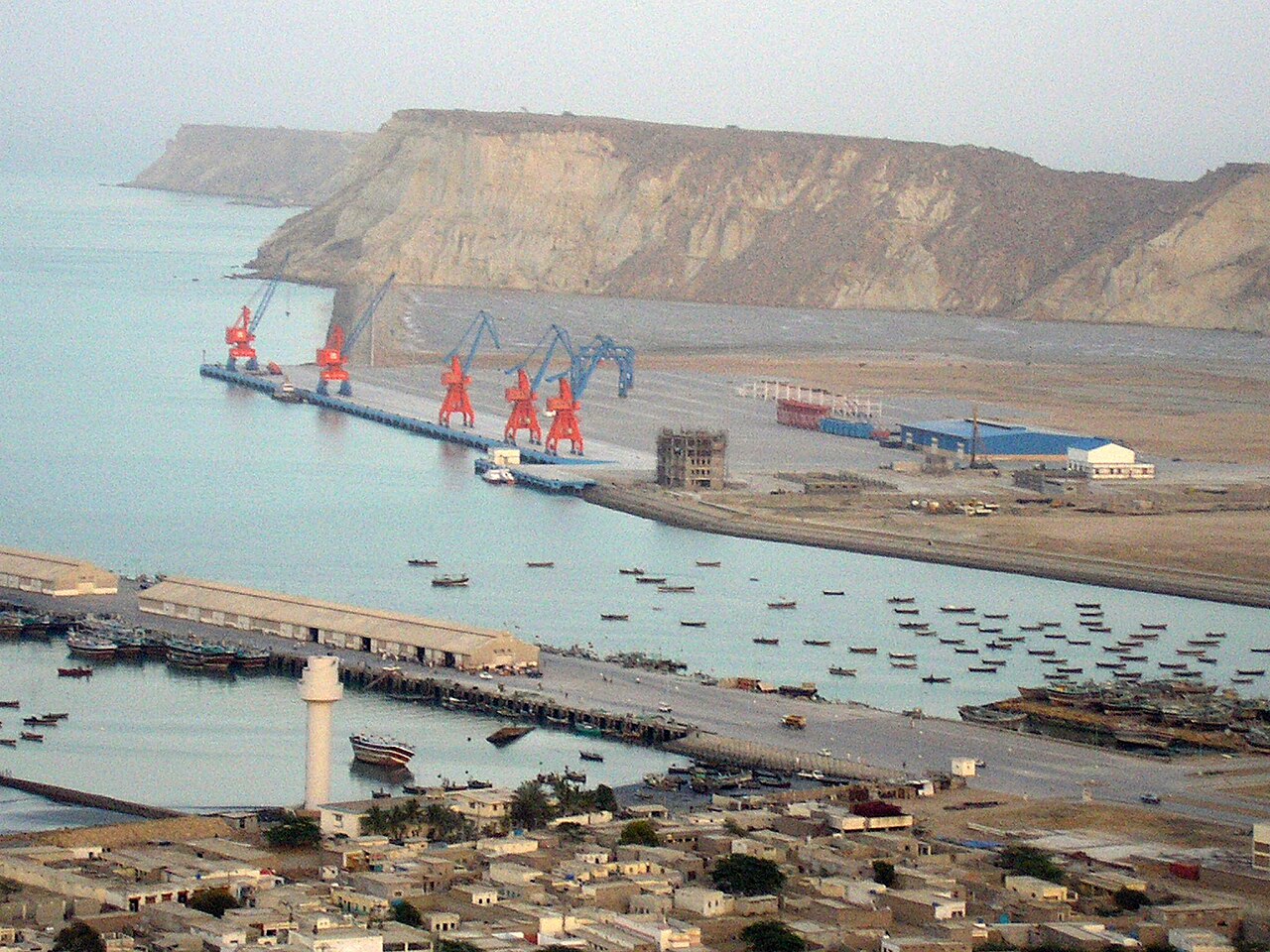
Gwadar sits close to the Strait of Hormuz, one of the world’s busiest and most strategically watched oil shipping corridors. Sohar, on Oman’s northern coast, is already a major deep-sea and industrial port, jointly linked to Rotterdam’s port operations. The sea distance between them is short by shipping standards, somewhere around 380 kilometers.
That proximity means a direct Gwadar-Sohar route could realistically compete on time with longer paths that cargo currently takes through busier Gulf hubs. For Pakistan, it also creates a second real access point into Oman, alongside the interest Islamabad has shown over the years in Oman’s Duqm Port project, which has its own free zone and has drawn attention from multiple countries looking for Gulf-facing logistics bases.
What CPEC Has to Do With Any of This
Gwadar’s whole reason for existing as a major port project is tied to the China-Pakistan Economic Corridor. CPEC was built around the idea that Gwadar could become a shortcut for goods moving between western China and the Arabian Sea, cutting out much longer routes through the Strait of Malacca.
A working Gwadar-Sohar link extends that logic outward. Instead of CPEC cargo stopping at Gwadar and then figuring out onward routes case by case, a formal sister-port relationship with Sohar gives it a defined next step into the Gulf and, from there, into Central Asian and wider Middle Eastern markets. It’s a small piece of a much bigger corridor, but it’s the kind of piece that makes the rest of the corridor more usable.
The Parts That Aren’t Just About Shipping
Two other items from the recent talks are easy to overlook but matter for how this relationship actually develops:
- Air connectivity. Officials discussed launching SalamAir flights between Gwadar and Oman using Gwadar’s new international airport. Passenger and business travel routes tend to follow trade relationships, not the other way around, so this is a signal of how seriously both sides are treating the port plan.
- Investment in the Gwadar Free Zone. Oman is reportedly looking at logistics, warehousing and fisheries as sectors for direct investment. That would give the sister-port agreement actual capital behind it, rather than leaving it as a paper commitment.
Technical cooperation on dredging, digital port operations and staff training was also raised, which suggests both sides are thinking about operational compatibility, not just a symbolic agreement.
What to Watch Next
The honest answer is that nothing is signed yet. The real test of whether this becomes more than a talking point is whether Pakistan and Oman actually finalize the memorandum of understanding that’s been sitting on the table since 2021. If that happens, the next milestones to look for would be a confirmed SalamAir route, an announced shipping schedule between Gwadar and Sohar, and specific Omani investment deals in the Gwadar Free Zone.
Until then, this is best understood as a serious step in a long-running negotiation rather than a finished deal.
Frequently Asked Questions
Who is Pakistan’s biggest ally?
Most analysts point to China as Pakistan’s most significant strategic partner, given the scale of CPEC investment, ongoing military cooperation, and China’s consistent diplomatic support for Pakistan at international forums. Gwadar Port itself is one of the clearest examples of this relationship, since it was developed with major Chinese financing and is operated in part by a Chinese state-owned company. Pakistan also has deep, long-running ties with Gulf countries and has historically relied on the United States for defense and economic support, so the answer often depends on whether the question is about military, economic or diplomatic closeness.
Why did Oman sell Gwadar to Pakistan?
Oman controlled the Gwadar peninsula from 1783 to 1958 as a small overseas territory, largely used for fishing rather than as a major port. Interest in Gwadar’s port potential grew after a 1954 US Geological Survey identified it as a suitable site for a deep-water harbor. Pakistan subsequently approached Oman about transferring the territory, and in September 1958 the deal went through with the United Kingdom’s approval and financial support connected to Aga Khan IV. It would take Pakistan several more decades, until the mid-2000s, to actually begin building the deep-sea port that exists at Gwadar today.
How many Pakistanis live in Oman?
Pakistan maintains a sizable expatriate community in Oman, working largely in construction, hospitality, retail, healthcare and skilled labor sectors. Figures reported by labor and diaspora sources have generally put the number in the range of several hundred thousand, though the exact count fluctuates with Oman’s labor market policies and the movement of workers in and out of the country. This community is often referenced as one of the underlying human connections that support the broader Pakistan Oman relationship, alongside the trade and port cooperation now being discussed around Gwadar and Sohar.