

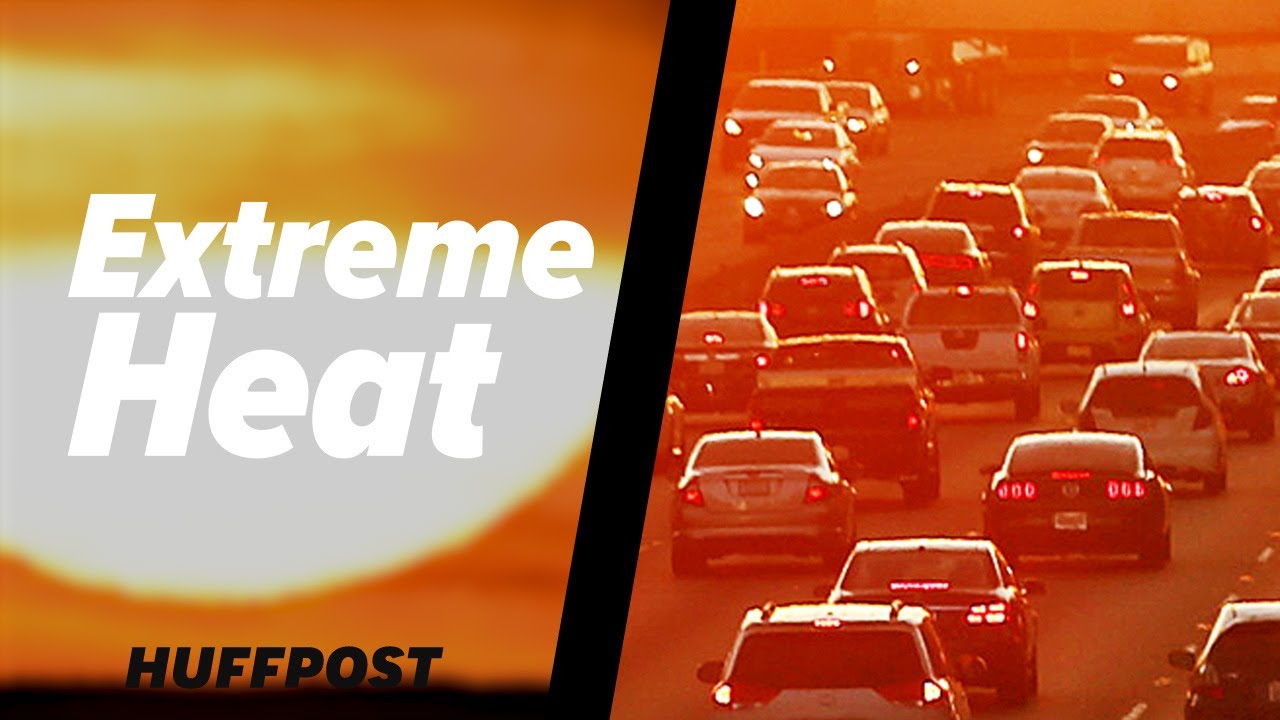
Extreme heat cities worldwide are witnessing alarming temperature increases as climate change continues to intensify across multiple continents. Several countries in Asia, the Middle East, Europe, and Africa are recording dangerous heat levels during the summer season. Scientists warn that rising temperatures may make some urban areas increasingly difficult for humans to live in safely.
The latest weather monitoring reports show that many extreme heat cities in the world are experiencing prolonged heatwaves. Temperatures crossing 45°C have become more common in several regions, especially in South Asia and the Middle East. Experts believe urban expansion, pollution, and global warming are accelerating this trend at an unprecedented pace.
Heatwaves Continue to Affect Major Cities
Several extreme heat cities worldwide are currently facing unusually high temperatures. Cities in Pakistan, India, Saudi Arabia, Kuwait, Iraq, and parts of Africa have reported severe heat conditions during recent weeks. Meteorological departments across Asia have issued public safety warnings to protect citizens from heatstroke and dehydration.
According to climate experts, many cities that appeared on the extreme heat cities 2022 reports are again experiencing record-breaking temperatures in 2025. Urban centers with high population density are becoming increasingly vulnerable because of limited green spaces and rising concrete infrastructure.
Authorities in several countries have advised people to avoid outdoor activities during peak daytime hours. Hospitals are also reporting increased cases of heat exhaustion, breathing problems, and dehydration linked to extreme weather conditions.
Extreme Heat Cities in Asia Under Pressure
Extreme heat cities in Asia are among the hardest hit regions during the current climate cycle. Pakistan, India, Bangladesh, and parts of Southeast Asia are facing severe heatwaves earlier than expected this year. Experts say changing weather patterns are causing longer summers and shorter winter seasons.
In Pakistan, Jacobabad, Sibi, and Dadu are regularly listed among the hottest urban areas globally. Weather experts monitoring the hottest city in Pakistan today say temperatures in southern regions may continue to rise throughout the season. Citizens have been advised to stay hydrated and reduce unnecessary travel during daytime hours.
Asian governments are also struggling with electricity shortages caused by increased air-conditioning use. Power demand spikes during extreme heat events are placing additional stress on national energy systems and public infrastructure.
Pakistan Records Dangerous Temperatures
Pakistan remains one of the countries most vulnerable to climate change despite contributing minimally to global carbon emissions. The country has repeatedly appeared in reports covering extreme heat cities worldwide because of rising summer temperatures and water shortages.
The highest temperature in Pakistan ever recorded was 53.7°C in Turbat, Balochistan, in May 2017. Climate scientists say future temperatures could become even more dangerous if global warming continues at the current pace.
Recent forecasts indicate that several southern Pakistani cities may cross 50°C again during peak summer months. Agricultural workers, laborers, and low-income communities remain the most exposed groups because many lack access to cooling facilities and healthcare support.
Environmental experts are calling for urgent climate adaptation policies, including tree plantation drives, improved urban planning, and water conservation measures to reduce the impact of rising temperatures.
Cities Around the World Facing Extreme Heat
The top 100 hottest cities in the world are spread across Asia, Africa, the Middle East, and parts of North America. Climate researchers note that desert regions are no longer the only places experiencing dangerous heat. Urban centers with heavy industrialization are now recording extreme temperatures more frequently.
Countries such as Iraq, Kuwait, Iran, and Saudi Arabia regularly report temperatures above 50°C during summer months. In Europe, cities in Spain, Italy, and Greece have also witnessed deadly heatwaves over the last few years.
The growing number of extreme heat cities in the world has increased concerns among health experts and environmental organizations. Rising temperatures are affecting transportation systems, food production, water supplies, and overall economic productivity.
Climate Change and Urban Heat Islands
Scientists say one major reason behind the increase in extreme heat cities worldwide is the urban heat island effect. This phenomenon occurs when roads, buildings, and concrete structures absorb and trap heat during the day and release it slowly at night.
As cities expand rapidly, natural cooling systems such as trees, wetlands, and open land are disappearing. Experts say poor urban planning is worsening the impact of global warming in densely populated areas.
Climate researchers using the latest extreme heat cities map data have identified several high-risk urban zones that may become increasingly dangerous over the next decade. Some reports suggest that millions of people may face severe heat stress annually if carbon emissions are not reduced globally.
Governments Issue Emergency Warnings
Governments across Asia and the Middle East have issued emergency alerts as temperatures continue rising. Schools in some regions have reduced outdoor activities, while health departments are operating emergency cooling centers for vulnerable citizens.
Several cities have also introduced public awareness campaigns about heatstroke prevention. Citizens are being advised to drink more water, avoid direct sunlight, and check on elderly family members during extreme weather conditions.
International climate organizations are urging world leaders to accelerate environmental policies before temperatures become even more dangerous. Experts believe future summers may become increasingly unpredictable if greenhouse gas emissions continue rising worldwide.
Global Impact of Rising Temperatures
The rise of extreme heat cities worldwide is creating major economic and humanitarian challenges. Agriculture sectors are suffering because prolonged heat damages crops and reduces water availability. Rising temperatures are also affecting worker productivity in construction, farming, and transportation industries.
Scientists warn that global migration patterns may also change in the coming decades as some regions become too hot for comfortable living. Health experts say children, elderly people, and outdoor workers face the highest risks during prolonged heatwaves.
The United Nations and environmental agencies continue to emphasize the importance of renewable energy, sustainable urban development, and climate adaptation strategies to reduce future risks.
Future Climate Concerns
Experts believe climate conditions may worsen further over the next decade unless immediate environmental action is taken globally. Several reports predict that more cities may join the list of extreme heat cities worldwide in coming years.
Many climate scientists have warned that South Asia could become one of the most vulnerable regions because of dense populations, economic challenges, and rising temperatures. Governments are now under pressure to invest in sustainable infrastructure and disaster preparedness systems.Environmental researchers also stress that global cooperation is necessary to slow climate change and protect future generations from worsening heat crises.
FAQs
Can a human survive 40C?
Yes, humans can survive 40°C temperatures, but prolonged exposure can become dangerous without proper hydration, shade, and cooling. High humidity combined with 40°C heat increases the risk of heatstroke, dehydration, and organ stress. Vulnerable groups such as elderly people, children, and outdoor workers face greater health risks during extreme heat conditions.
Why is 2030 the point of no return?
Climate scientists often describe 2030 as a critical deadline because global carbon emissions must be significantly reduced before then to avoid irreversible climate damage. If countries fail to control emissions by 2030, rising temperatures, sea-level increases, droughts, and extreme weather events may become much harder to reverse in the future.
How many humans will be alive in 2050?
According to United Nations population estimates, the global population could reach nearly 9.7 billion people by 2050. Rapid population growth combined with climate change may place additional pressure on food supplies, water resources, healthcare systems, and urban infrastructure worldwide.